Identity Crisis in the Ice Age: The 'American Cheetah' Was Actually a Pescatarian Puma
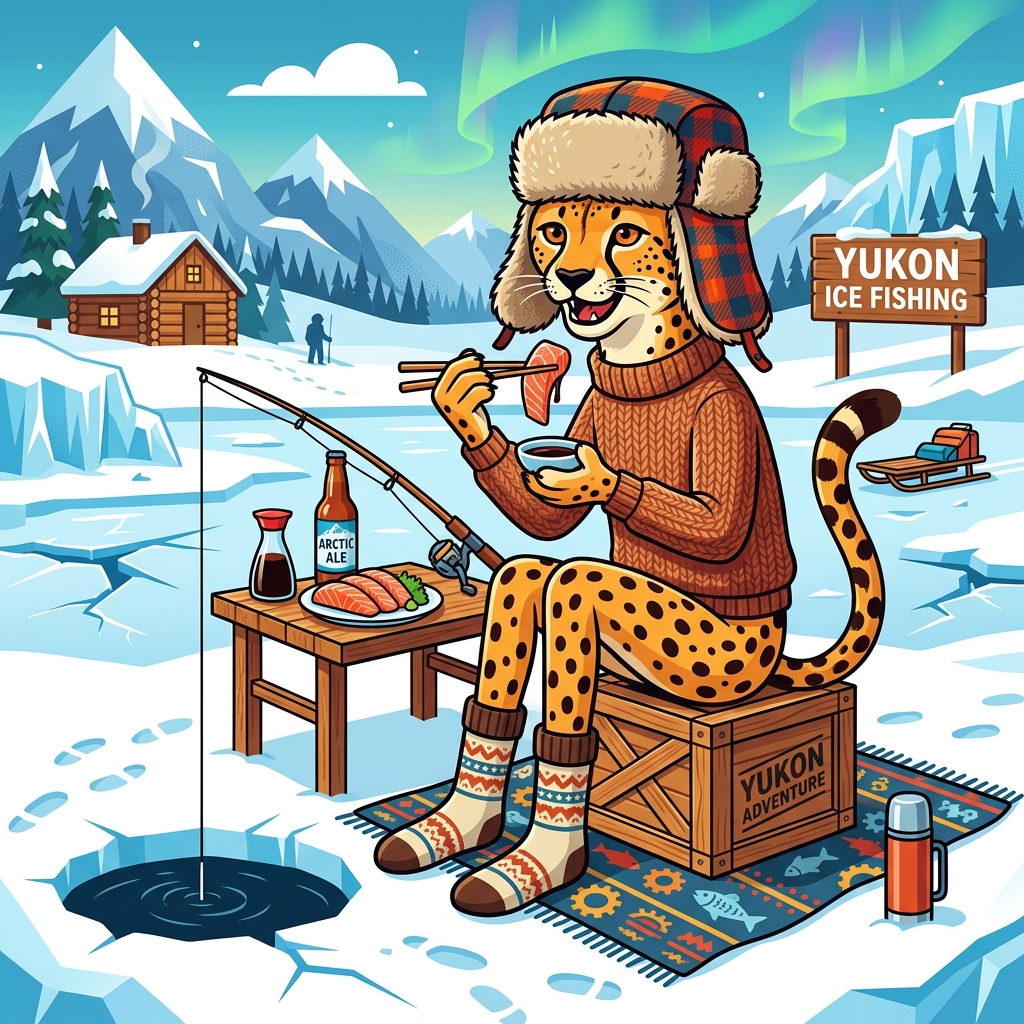
For decades, evolutionary biology textbooks told a magnificent bedtime story: North America once had its very own cheetah, Miracinonyx trumani, an Olympic-level sprinter that ran so blazingly fast it forced the American pronghorn antelope to evolve into the second-fastest land animal on Earth. It was an epic predator-prey rivalry worthy of Hollywood. There was just one small problem: ancient DNA just checked the cat's birth certificate, and the whole story is an evolutionary catfishing scheme.
According to a landmark paleogenomics study published in Current Biology by researchers at the University of California, Santa Cruz, the "American cheetah" wasn't a cheetah at all. High-coverage nuclear genomes extracted from 30,000-year-old fossil bones revealed that Miracinonyx was actually an oversized, long-legged cousin of the modern puma (cougar)—and instead of chasing antelopes across sun-drenched savannahs, it headed 20 degrees latitude north into the freezing Yukon wilderness to eat salmon!
🐾 The Great Catfish: Puma in Cheetah's Clothing
When 19th-century paleontologists first found Miracinonyx skeletons, they saw long, slender limbs, expanded nasal cavities, and lightweight bones. "Aha!" they exclaimed, "A cheetah!" But the new genomic data proves that Miracinonyx diverged from modern pumas around 2.6 million years ago. Its cheetah-like body was merely a textbook case of convergent evolution—nature's way of reusing the same sports car chassis on two completely unrelated feline models.
So, what was a supposed savannah sprinter doing in the sub-zero ice sheets of the ancient Canadian Yukon?
- No Antelopes on the Menu: Pronghorn antelopes didn't even live in the Yukon during the late Pleistocene. If the American cheetah was waiting for an antelope to sprint past an Arctic glacier, it would have starved to death in a weekend.
- The Salmon Sushi Diet: Stable isotope analysis of the Yukon cat fossils delivered the ultimate twist: these cats survived on an aquatic diet dominated by fish. Rather than hunting terrestrial herds, they were staking out icy rivers like 150-pound grizzly bears with whiskers.
- A Generalist Master of Survival: While African cheetahs are hyper-specialized sprint divas who give up if a chase takes more than twenty seconds, Miracinonyx was an opportunistic survivalist that could tackle mountain crags, dense brush, and sub-zero ice fishing holes.
🐟 The Pronghorn Antelope's Awkward Epiphany
This leaves American pronghorns with some serious explaining to do. For generations, biologists assumed pronghorns evolved their 60 mph top speed to outrun the American cheetah. Now we know their supposed nemesis was sitting in the Canadian tundra eating cold sushi. Perhaps pronghorns were just overachieving show-offs all along!
The next time you see a house cat turn its nose up at canned tuna, remind them of their majestic ice-age cousin: the giant Arctic puma that put on running shoes, ignored the cheetah hype, and conquered the frozen north for a taste of fresh sashimi.
You might also like
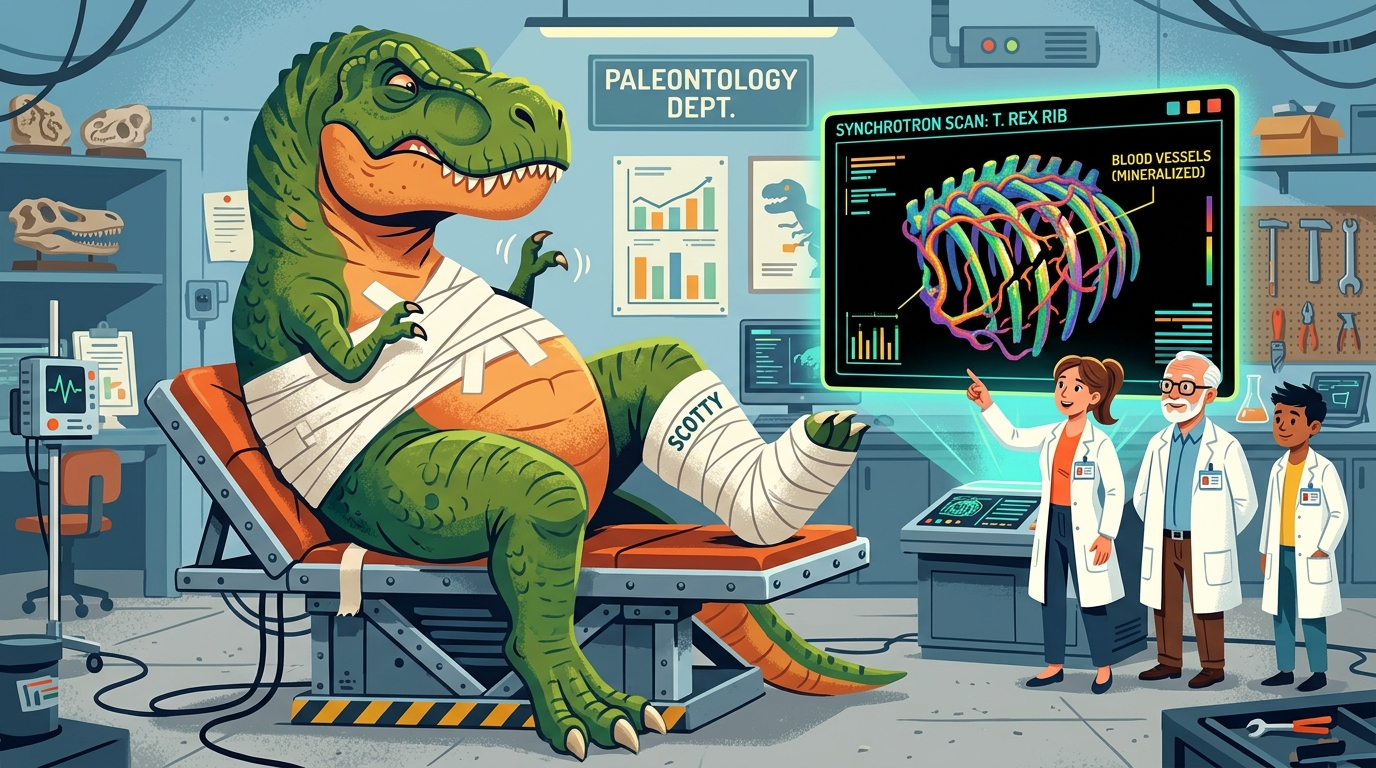
Even a 9-Ton T. Rex Needed Sick Days: 66-Million-Year-Old Blood Vessels Found in Broken Bone
Canadian physicists used particle accelerators to inspect the broken rib of Scotty—the world's largest Tyrannosaurus rex—and discovered 3D mineralized blood vessels that were actively nursing the apex predator back to health.
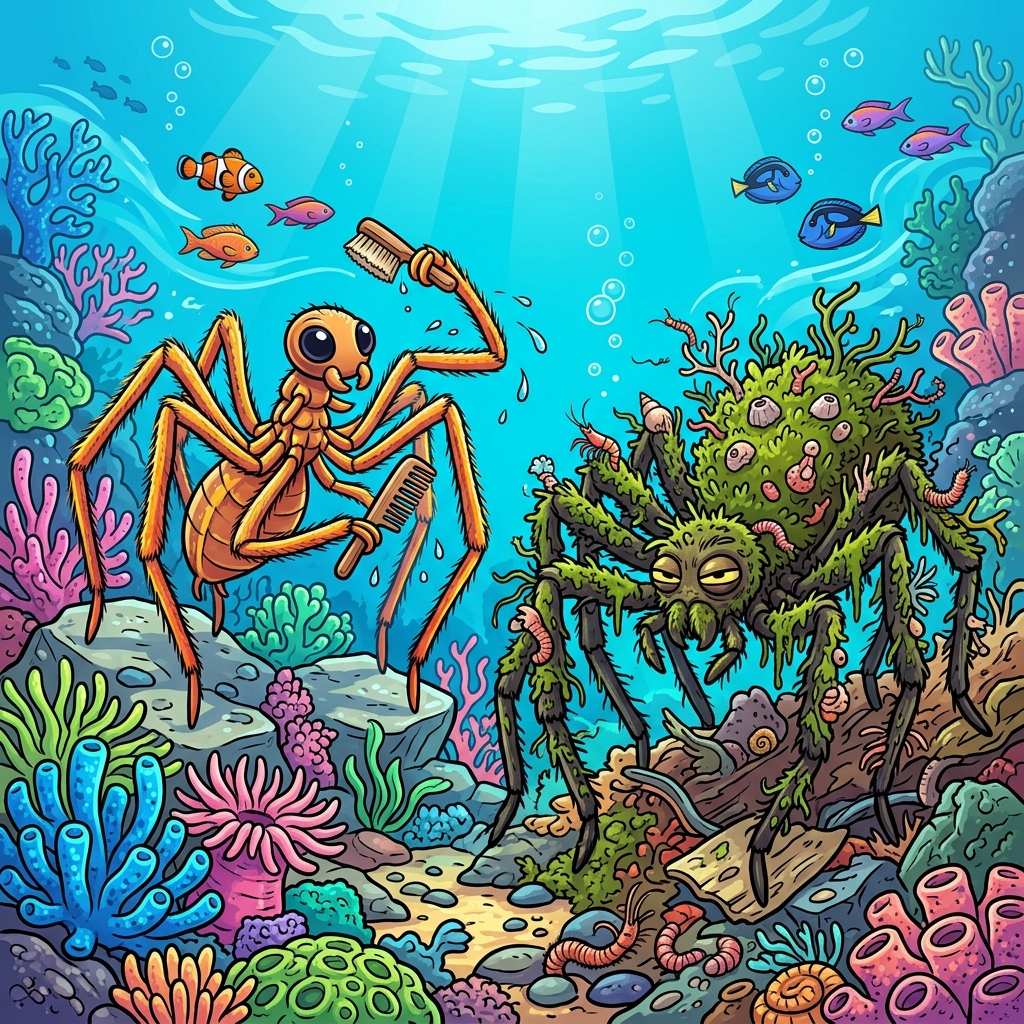
Meet the Ocean's New Odd Couple: One Sea Spider Goes to the Spa, the Other Lives as a Walking Compost Heap
Marine biologists in Canada have discovered two new species of sea spiders in the Salish Sea for the first time in a century: one obsessively combs its hairy legs with specialized appendages, while its clumsy cousin is too short to groom and hosts a parasitic flea market on its back.
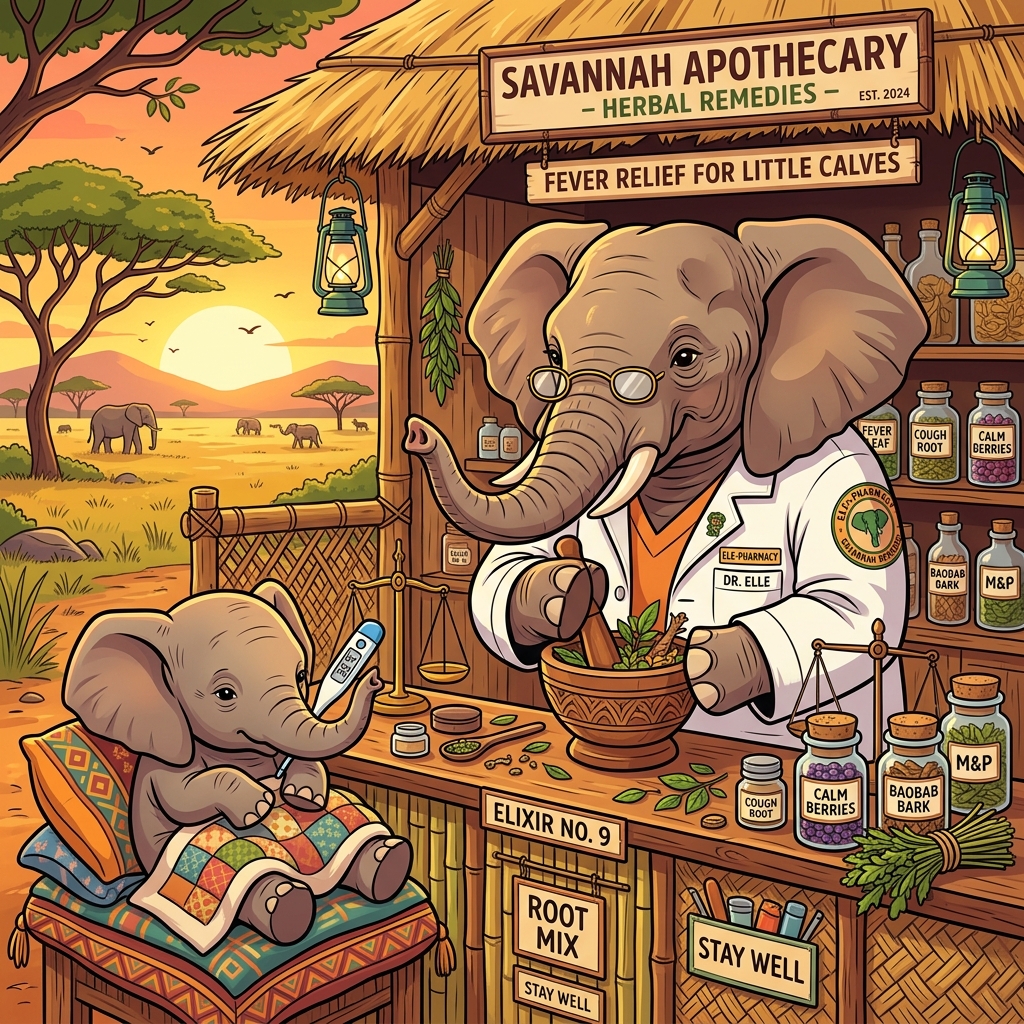
Savannah Apothecary: Kenyan Elephant Moms Caught Chewing Herbal Remedies to Nurse Sick Calves
A landmark study in Kenya reveals that African elephants practice zoopharmacognosy by selecting 35 medicinal plants to treat illnesses—with mother elephants chewing bitter roots and mixing herbal extracts into milk for their ailing calves.