Eau de Toilette: Century-Old Mystery Solved as Scientists Discover Why Cats Pack Kidneys with Fat
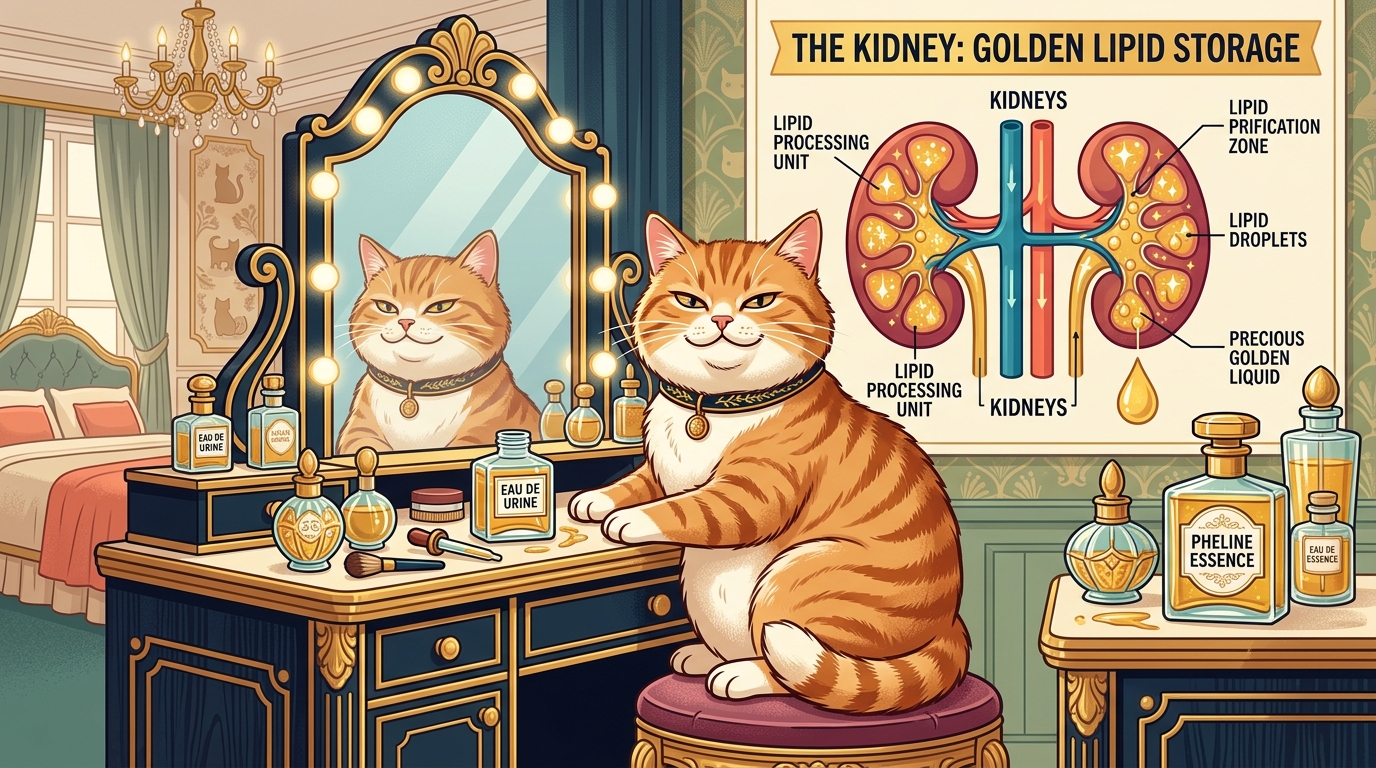
For more than a century, veterinary anatomists looking through microscopes have muttered the exact same question: why on Earth are cat kidneys crammed full of massive, glistening fat droplets? While a human or dog kidney with that much lipid deposit would trigger an immediate emergency hospital admission, for cats—and their big cousins like lions and leopards—it's just a Tuesday. Now, a study published in Current Biology has finally cracked the case.
A research team led by Professor Masao Miyazaki at Iwate University discovered that these kidney lipid droplets aren't a metabolic malfunction or evolutionary leftover. They are a state-of-the-art chemical buffer system designed to protect a cat's most sacred social asset: their distinctive urine scent signature.
🐾 The Chemistry of Feline Scent Branding
Cats don't exchange business cards or LinkedIn profiles. They spray territory:
- The 13-Chemical Calling Card: Cats rely on a precise bouquet of 13 branched-chain fatty acids (BFAs) that give each feline an unmistakable olfactory fingerprint.
- The Dietary Dilemma: A stray cat might eat cheap kibble on Monday, catch a plump pigeon on Wednesday, and fast on Thursday. In normal animals, diet swings cause urine chemistry to fluctuate wildly.
- The Lipid Buffer: The kidney's fat droplets soak up excess BFAs when food is abundant and steadily release them during lean days, keeping the cat's scent mark reliably consistent 24/7.
Without this built-in chemical reservoir, a cat spraying a fencepost after eating tuna would smell like a complete stranger to the neighborhood stray tomorrow after eating chicken. In feline society, maintaining brand consistency is a matter of life, death, and territorial dominance.
Interestingly, this discovery also shines a crucial light on feline veterinary medicine. Because cats naturally store unique lipids in their renal tubules (including rare mono-alkyl-diacylglycerols), researchers at Nottingham and worldwide are now exploring whether this century-old scent-preservation mechanism might explain why aging domestic cats are so uniquely vulnerable to chronic kidney disease (CKD).
🐱 The Vanity of the Obligate Carnivore
Next time your cat looks at you with contempt while using the litter box, remember: they literally evolved a dedicated organ-level perfume distillery just to ensure their signature scent remains top-tier luxury. Respect the hustle.
You might also like
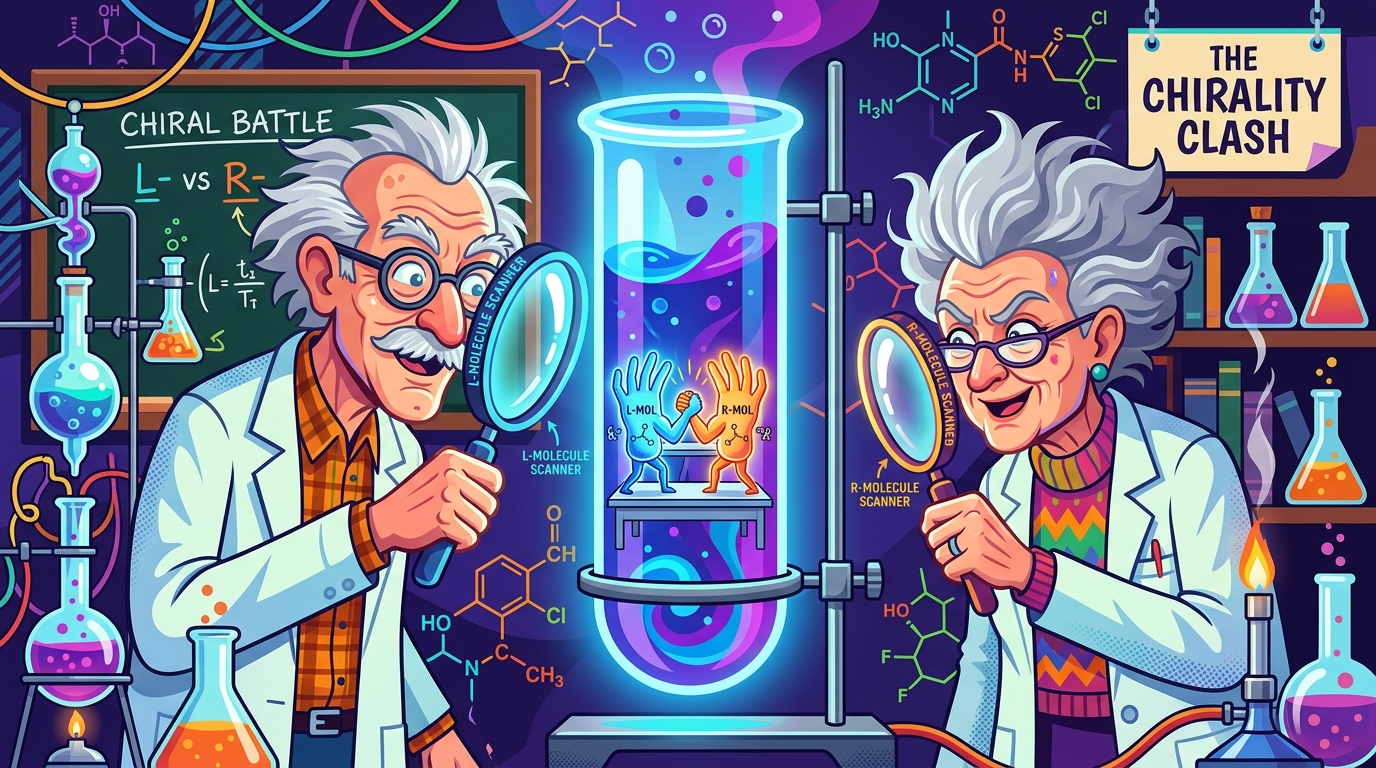
The Great Molecular Arm Wrestle: Why the 2026 Nobel Prize in Chemistry Won't Shake Your Right Hand
The 2026 Nobel Prize in Chemistry honors Henri B. Kagan and Kenso Soai for cracking homochirality—explaining how a microscopic nudge can cause one mirror-image molecule to mercilessly bully its twin out of existence.
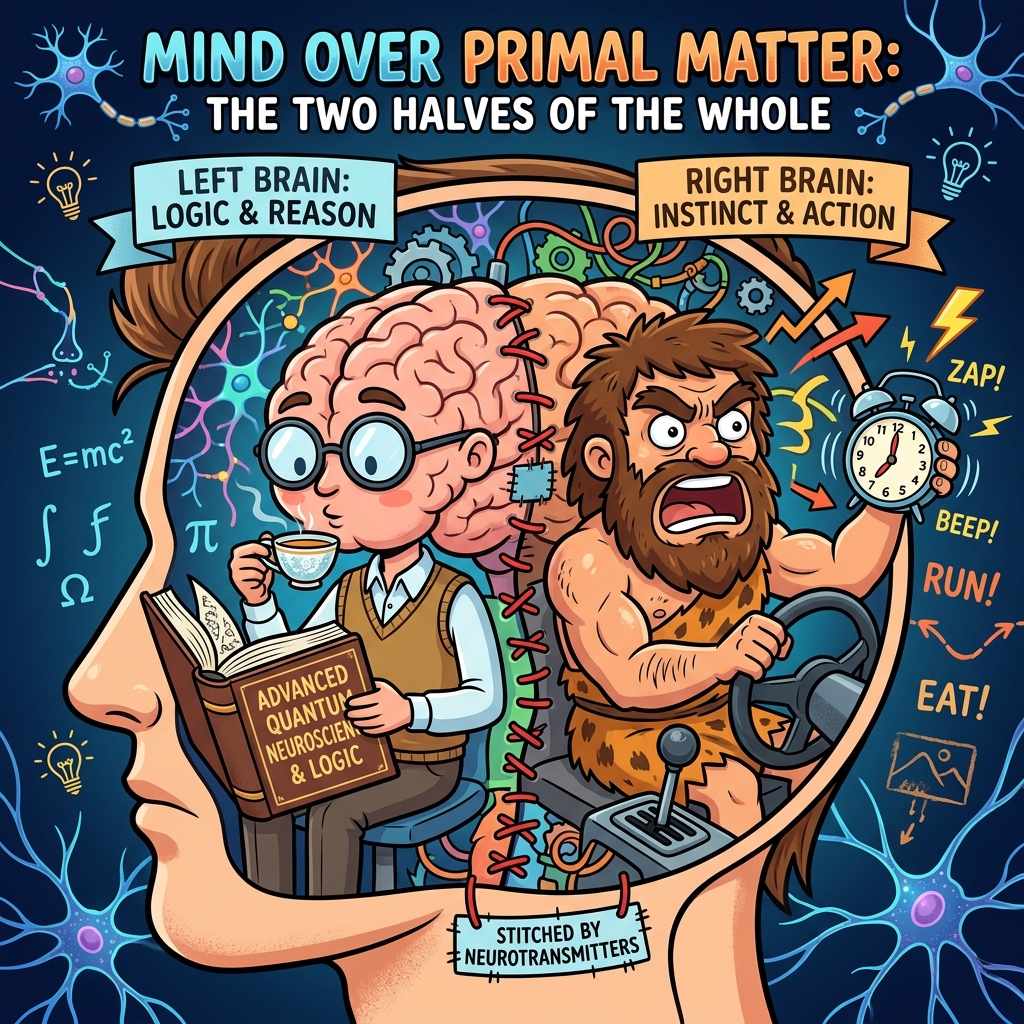
Textbooks Were Wrong: Your Brain Is Actually Two Separate Organs Glued Together
A groundbreaking Stanford Medicine study published in Nature Neuroscience revealed that the human brain isn't a single master organ. It's actually two ancient nervous systems from totally different evolutionary origins that fused together like reluctant biological roommates.
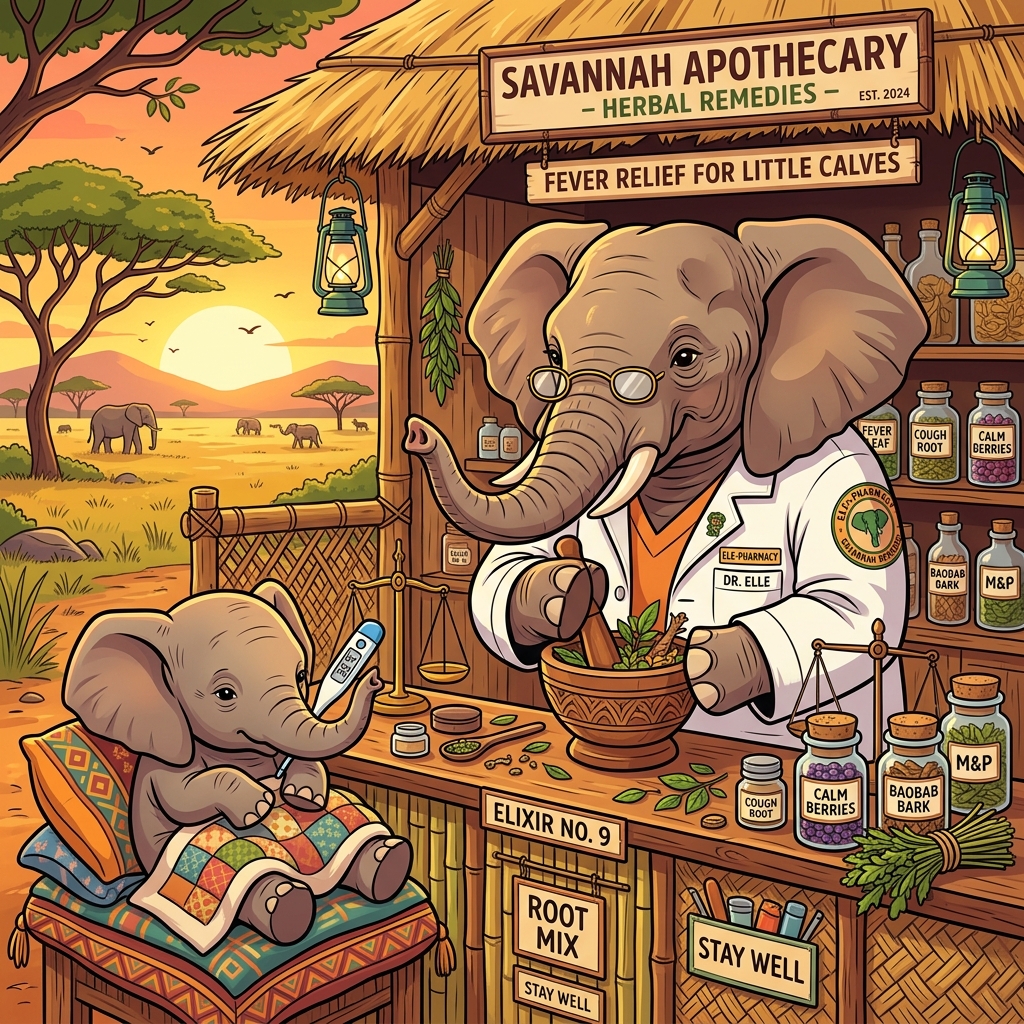
Savannah Apothecary: Kenyan Elephant Moms Caught Chewing Herbal Remedies to Nurse Sick Calves
A landmark study in Kenya reveals that African elephants practice zoopharmacognosy by selecting 35 medicinal plants to treat illnesses—with mother elephants chewing bitter roots and mixing herbal extracts into milk for their ailing calves.