Jurassic Rave Party: UV Blacklight Reveals 125-Million-Year-Old Tiger Stripes on Cat-Sized Fossil Crocodile
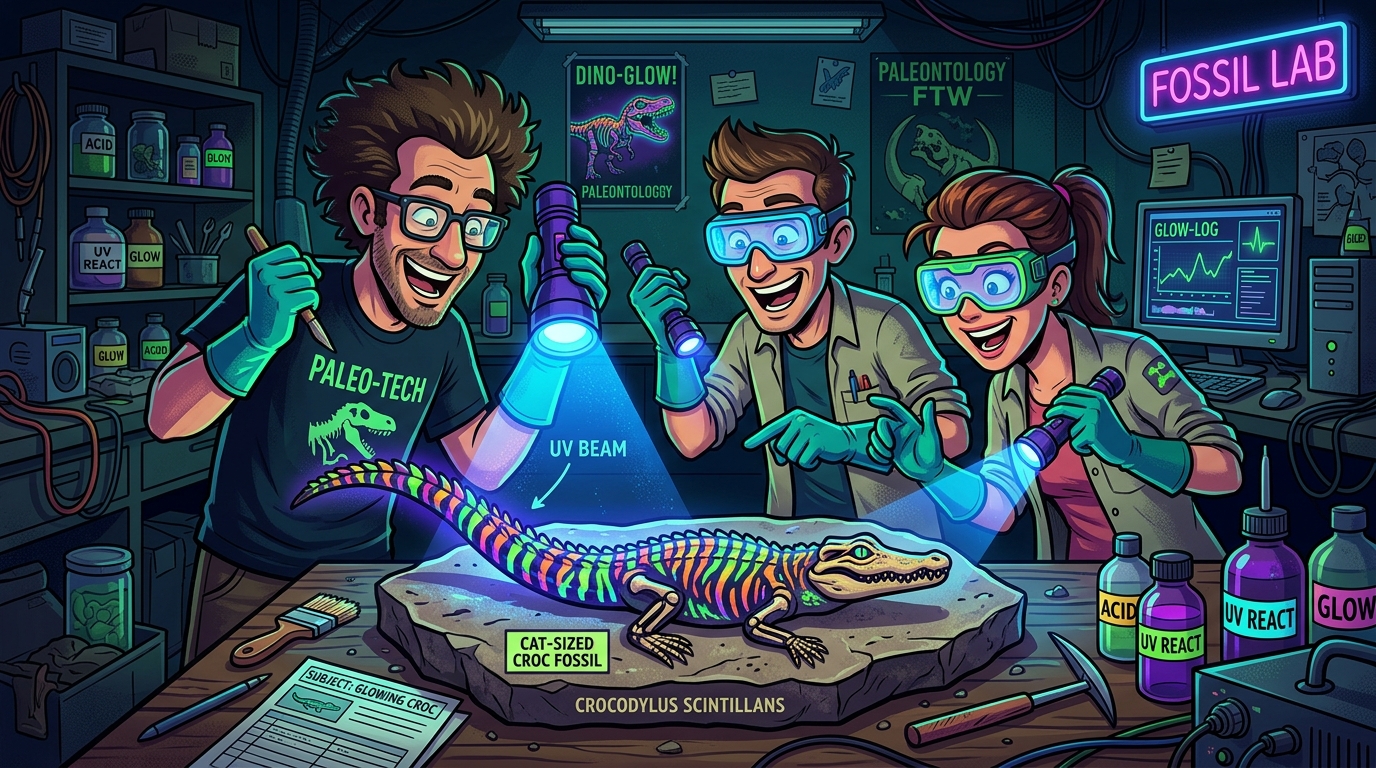
If you thought blacklights were strictly reserved for bowling alleys, dubious college dorm rooms, and finding rogue scorpions in the desert, paleontologists are here to politely blow your mind.
For more than a century, an unassuming limestone slab bearing fossil specimen MGB-512 sat in the archives of the Natural History Museum of Barcelona. Discovered around 1902 in the Pedrera de Meià quarry in Catalonia, Spain, the fossil belonged to Montsecosuchus depereti—an adorable, house-cat-sized crocodylomorph that scampered through Early Cretaceous wetlands roughly 125 million years ago. Generation after generation of scientists examined its tiny bones under standard daylight lamps, concluded it was a neat little ancient reptile, and moved on.
Then, researchers from the Institut Català de Paleontologia Miquel Crusafont (ICP) and Universitat Autònoma de Barcelona decided to hit the lights and flick on high-intensity ultraviolet (UV) fluorescence lamps. What flashed back at them wasn't just dull rock—it was a full-blown prehistoric fashion show published in the Zoological Journal of the Linnean Society.
🐊 The Cat-Croc Glow-Up: What UV Light Revealed
Beneath the invisible ultraviolet glow, the 125-million-year-old predator lit up with astonishing anatomical secrets:
- Prehistoric Tiger Stripes: Under UV fluorescence, the scales along its tail erupted in alternating light and dark bands. Paleontologists confirmed this is authentic disruptive camouflage—the oldest preserved evidence of body coloration in the entire crocodilian family tree!
- Tiny Sensory Pits: The scans revealed dome-shaped microscopic structures on the scales, matching the integumentary sensory organs (ISOs) modern alligators use to detect subtle water ripples and stealthy prey.
- Pristine Cartilage: The thoracic cavity preserved delicate calcified costal cartilage, providing the first direct evidence of how ancient croc relatives flexed their ribcages for high-efficiency breathing.
- Pocket-Sized Predator: At just 50 centimeters (20 inches) long, this pint-sized hunter was roughly the size of your pet feline, likely stalking insects, frogs, and baby dinosaurs through Cretaceous reeds.
Why do alternating bands matter so much to evolutionary biologists? In nature, unbroken solid colors make an animal’s silhouette stand out like a neon billboard against dappled swamp light. Disruptive banding—the exact same visual trick used by modern tigers, zebras, and military camouflage—breaks up the body's outline, tricking predators and prey into perceiving disconnected shadows instead of a hungry miniature carnivore.
While scientists cannot definitively declare whether the living scales were emerald green, muddy khaki, or chestnut brown (organic pigments degrade over millions of years, leaving behind differential mineral footprints that fluoresce differently under UV), the physical light-and-dark pattern is unmistakable.
🔦 The Museum Blacklight Revolution
This discovery highlights a seismic shift in modern paleontology: you don't always need to trek to remote deserts to make revolutionary discoveries. Thousands of priceless fossils resting quietly in dusty museum drawers are harboring invisible secrets that only wake up under the right wavelength of light.
So the next time someone tries to tell you that high-fashion animal prints are a modern invention, remind them that 125 million years ago, a tiny cat-sized Spanish crocodile was already strutting through the Cretaceous swamps rocking impeccably styled camo stripes.
You might also like
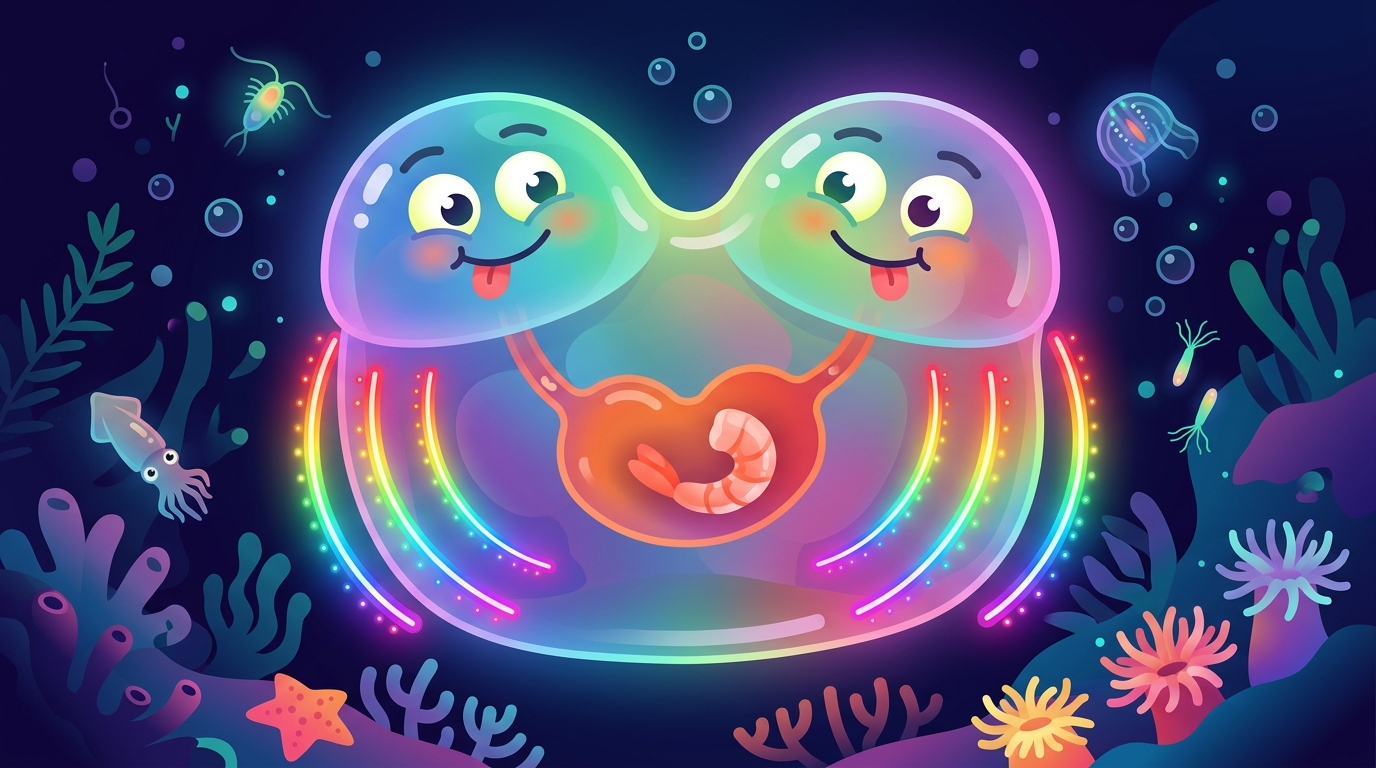
The Ultimate Group Project: Injured Comb Jellies Literally Fuse Bodies into a Two-Headed Super-Creature
When humans scrape an elbow, we put on a band-aid. When sea walnut comb jellies get injured, they grab the nearest neighbor and fuse into a single two-headed, two-stomached chimera overnight.
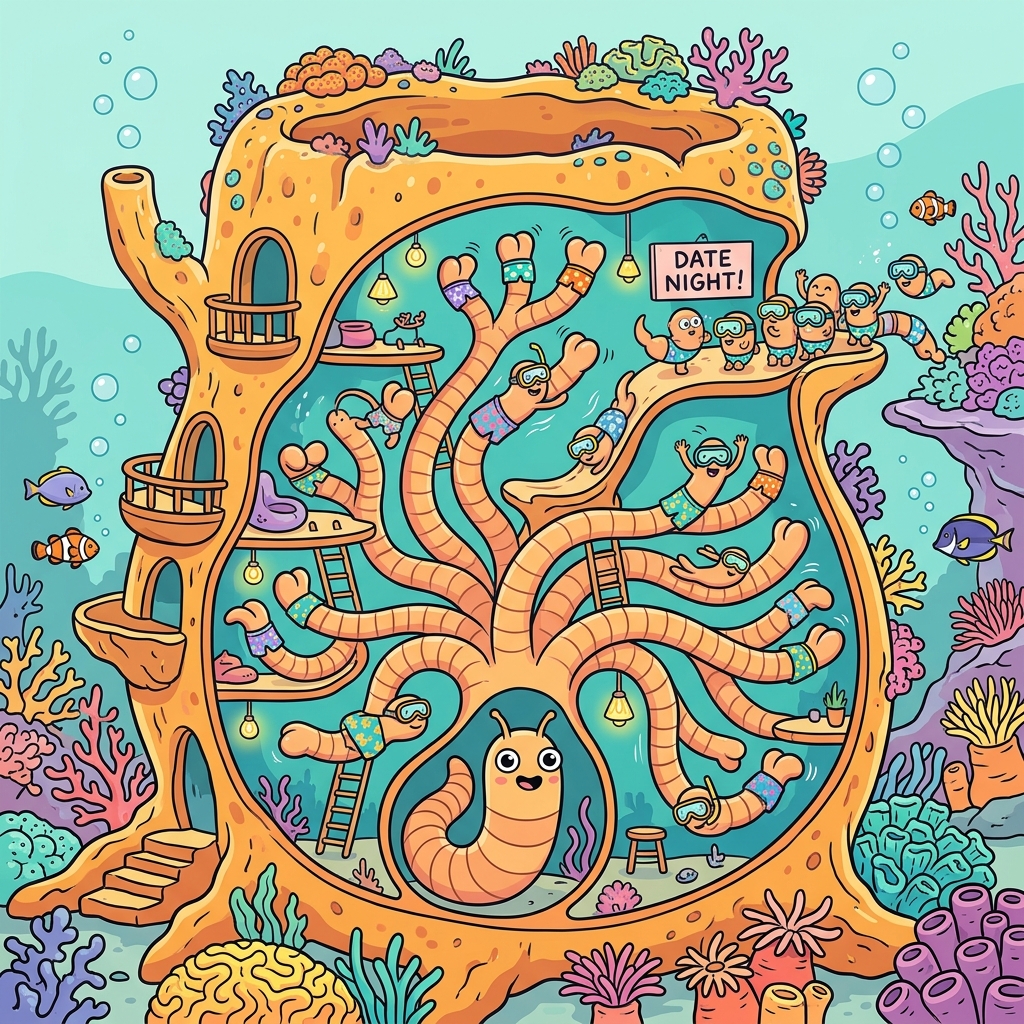
One Head, Hundreds of Butts: Marine Biologists Uncover 10 New Species of Branching Worms
Evolution usually gives creatures one head and one tail. But deep inside sea sponges, scientists found a whole squad of tree-shaped worms with hundreds of detachable butts that sprout their own eyes to go out dating.
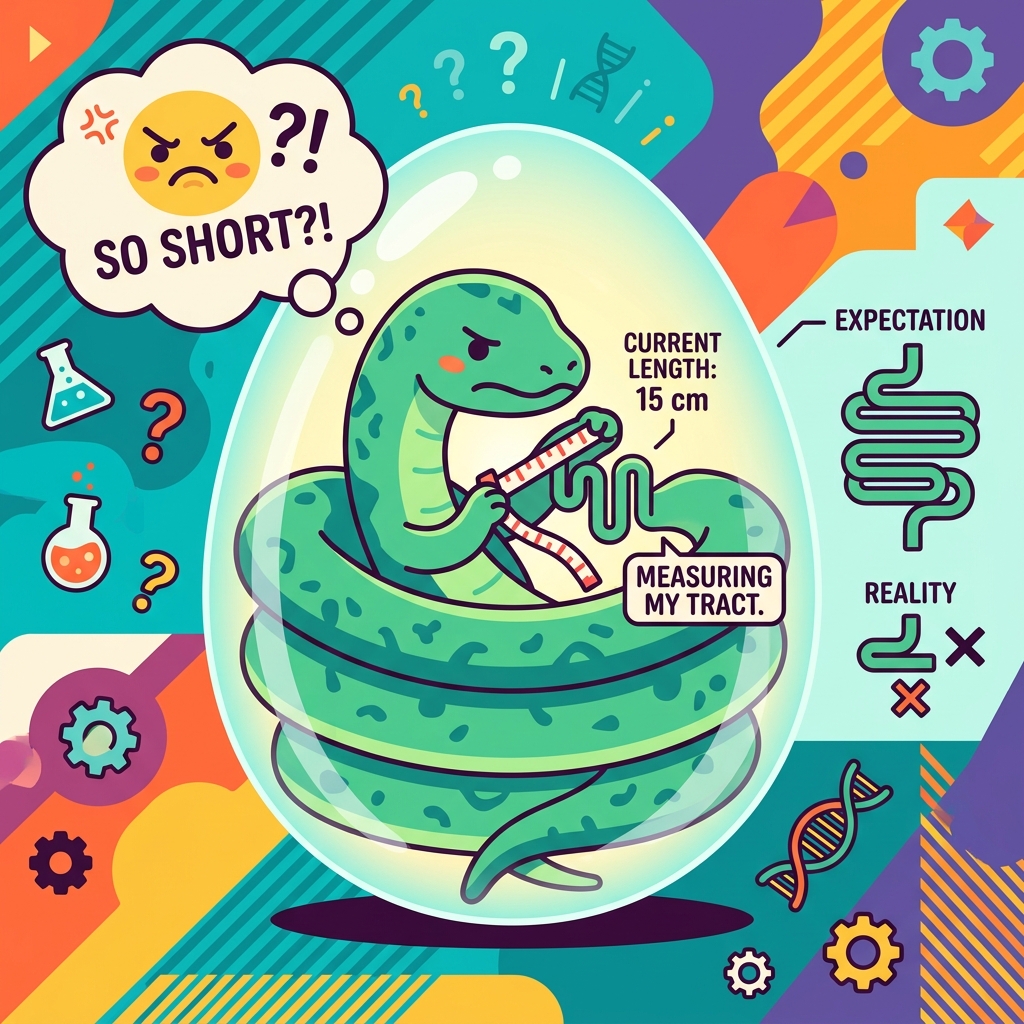
Why Baby Snakes Do the Twist: Embryos Forced into Clockwise Coils by Slower-Growing Guts
In Current Biology, scientists discover why snake embryos consistently curl into right-handed spirals: an explosive spinal growth spurt tethered by a slower digestive tract.