Savannah Apothecary: Kenyan Elephant Moms Caught Chewing Herbal Remedies to Nurse Sick Calves
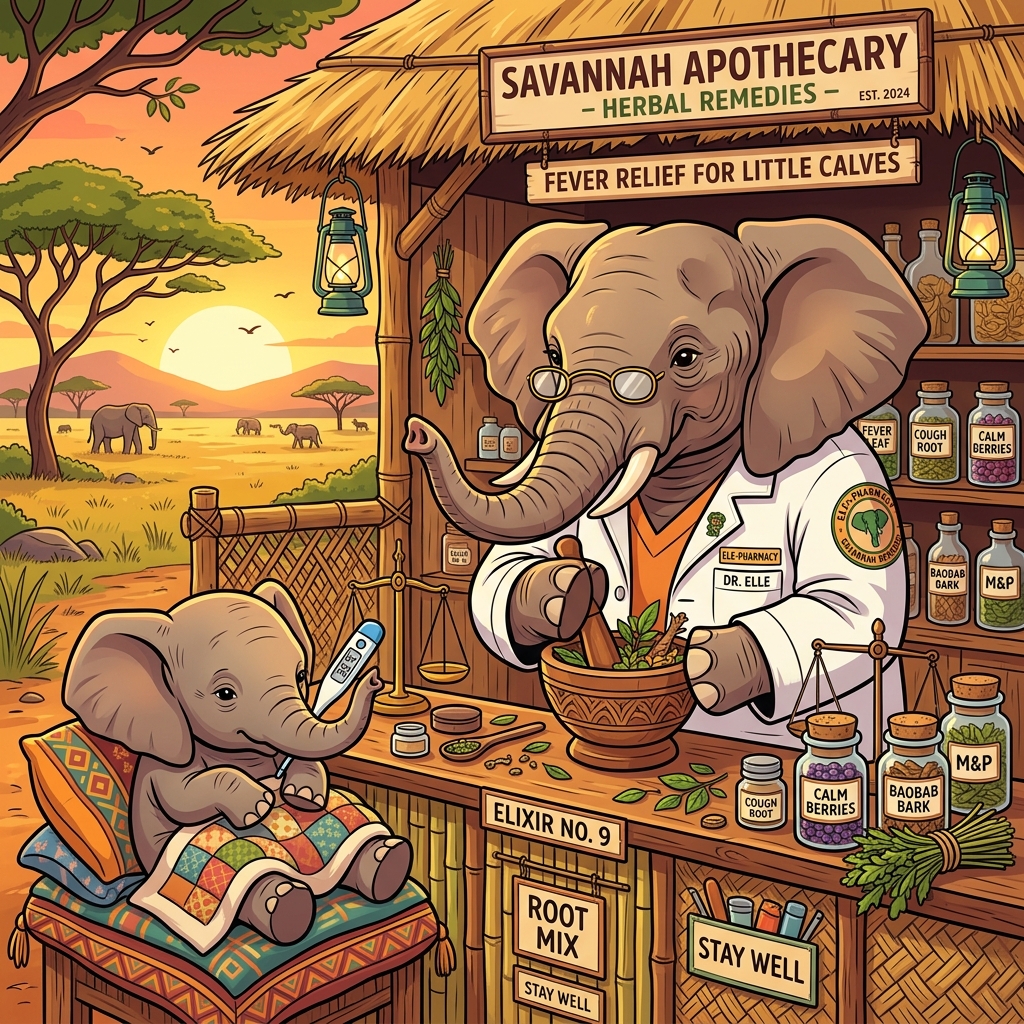
Anyone who has ever tried to get a sick child to swallow a spoonful of chalky, cherry-flavored cough syrup knows that pediatric medicine is an Olympic wrestling discipline. But human parents aren't the only ones playing at-home pharmacist. In the misty highlands of Kenya, six-ton elephant matriarchs are running their own open-air apothecaries—and their maternal remedies put our lukewarm chamomile tea to shame.
In a study published in late September 2026, an international research team led by Dr. Elodie Freymann (University of Oxford) and ethnopharmacologist Dr. Fabien Schultz (Neubrandenburg University), in close collaboration with indigenous scouts from the Sabaot community, uncovered compelling proof of zoopharmacognosy—the scientific term for animals self-medicating with nature's cabinet.
🌿 Savannah Pharmacy Rx: The Mount Elgon Study at a Glance
Here is what happens when you combine decades of indigenous botanical knowledge with elephant observation:
- 35 Medicinal Plants: When suffering from lethargy, parasites, or bellyaches, Mount Elgon elephants deliberately target 35 specific plant species rather than regular forage.
- The 97% Human Overlap: Astonishingly, 34 of the 35 plants selected by the elephants are identical to species used in traditional Sabaot human herbal medicine.
- Pediatric Formulation: Mother elephants were documented carefully excavating medicinal roots, chewing the bitter mash, and blending it with their own breast milk to treat nursing calves.
- Geotherapy & Minerals: Beyond plants, elephants consumed four distinct types of mineral-rich clays and soils, essentially using subterranean bentonite as natural gastrointestinal antacids.
Elephants are already legendary for their memories, complex grieving rituals, and acoustic rumble diplomacy. But discovering that herds maintain a living, generational pharmacopoeia takes their intelligence to a whole new level. When an adult bull or matriarch feels bloated or feverish, they don't simply eat grass. They march miles off the beaten path to seek out bitter barks containing bioactive alkaloids, antimicrobial tannins, and anti-inflammatory flavonoids.
The most heart-melting—and clinically impressive—observation involves elephant mothers nursing ailing calves. When a baby elephant comes down with gastrointestinal trouble, the mother doesn't wait for a doctor's appointment. She locates specific medicinal shrubs, strips the bark, grinds the root tissues with her massive molars, and feeds the medicinal slurry directly to her infant or blends the extracts through lactation.
🐘 Why Mount Elgon is the World’s Most Unusual Drugstore
The elephants of Mount Elgon are unlike any other pachyderm population on Earth:
- Subterranean Salt Miners: For centuries, these elephants have famously wandered into pitch-black subterranean volcanic caves (like Kitum Cave) to chisel out sodium-rich rock walls with their tusks.
- Clay Detoxification: Eating clays coats the stomach lining and binds toxic secondary metabolites produced by jungle plants, allowing the herd to tolerate potent botanical medicines.
- Bridging Two Pharmacopeias: Local Sabaot elders noted that their ancestors originally learned which forest roots treated snakebites, stomach flu, and infections by watching wild elephants centuries ago.
While researchers caution that biochemical assays are ongoing to map out the exact molecular mechanisms of each plant, the behavioral evidence points to an undeniable truth: elephant culture isn't just about greeting gestures and migration routes. It is an unbroken oral tradition of wilderness medicine passed down from great-grandmother matriarch to newborn calf.
So next time your mother makes you drink something horrific because "it's good for your immune system," remember: a mother elephant in Kenya is currently chewing raw, bitter savannah roots into her milk right now, and her calf has no choice but to say, "Thanks, Mom."
You might also like
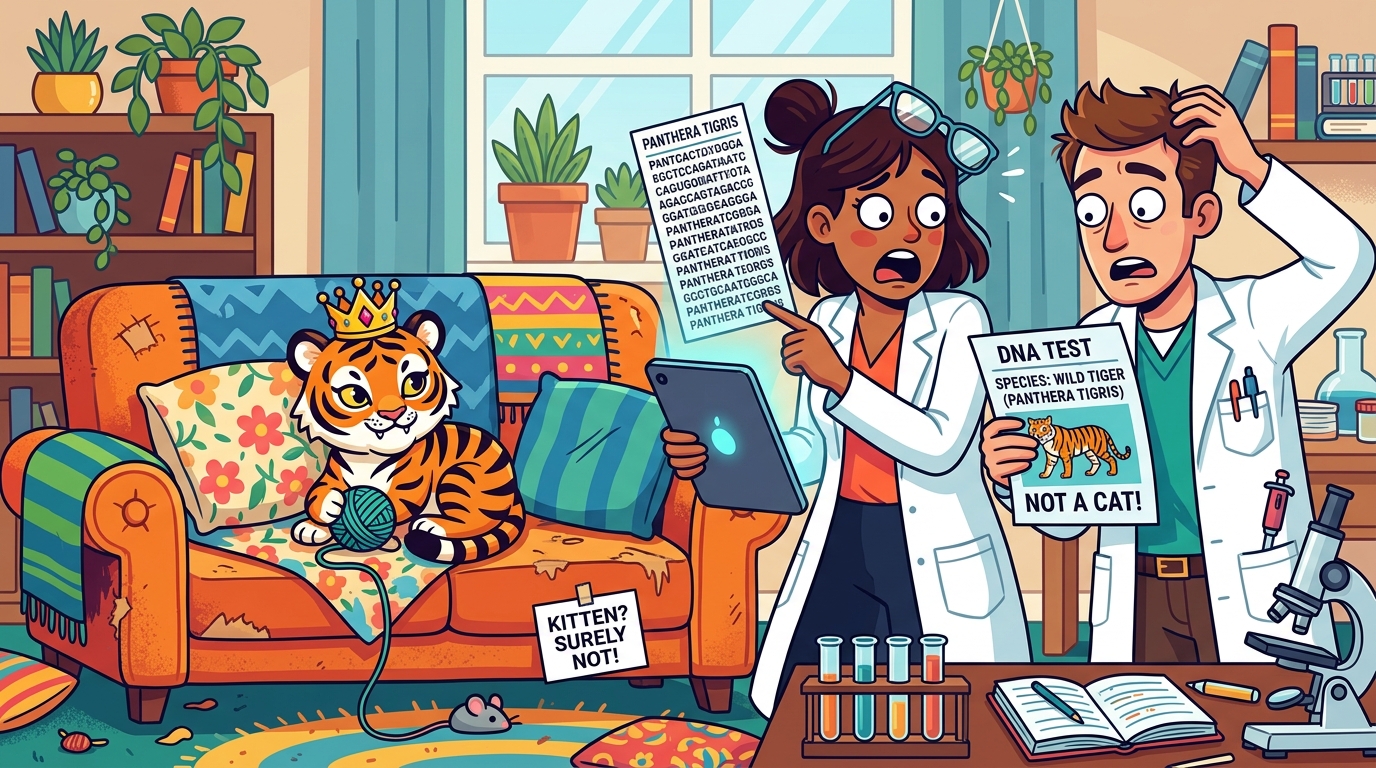
Meet the Tilcayo: The First New Wild Cat Species in 100 Years Was Hiding as a House Pet
A Bolivian family adopted what they thought was an energetic stray kitten named Tigrino. DNA testing just revealed he belongs to Leopardus tilcayo—a 3-pound jungle carnivore, a 1.4-million-year-old evolutionary branch, and the first new living cat species discovered in over a century.
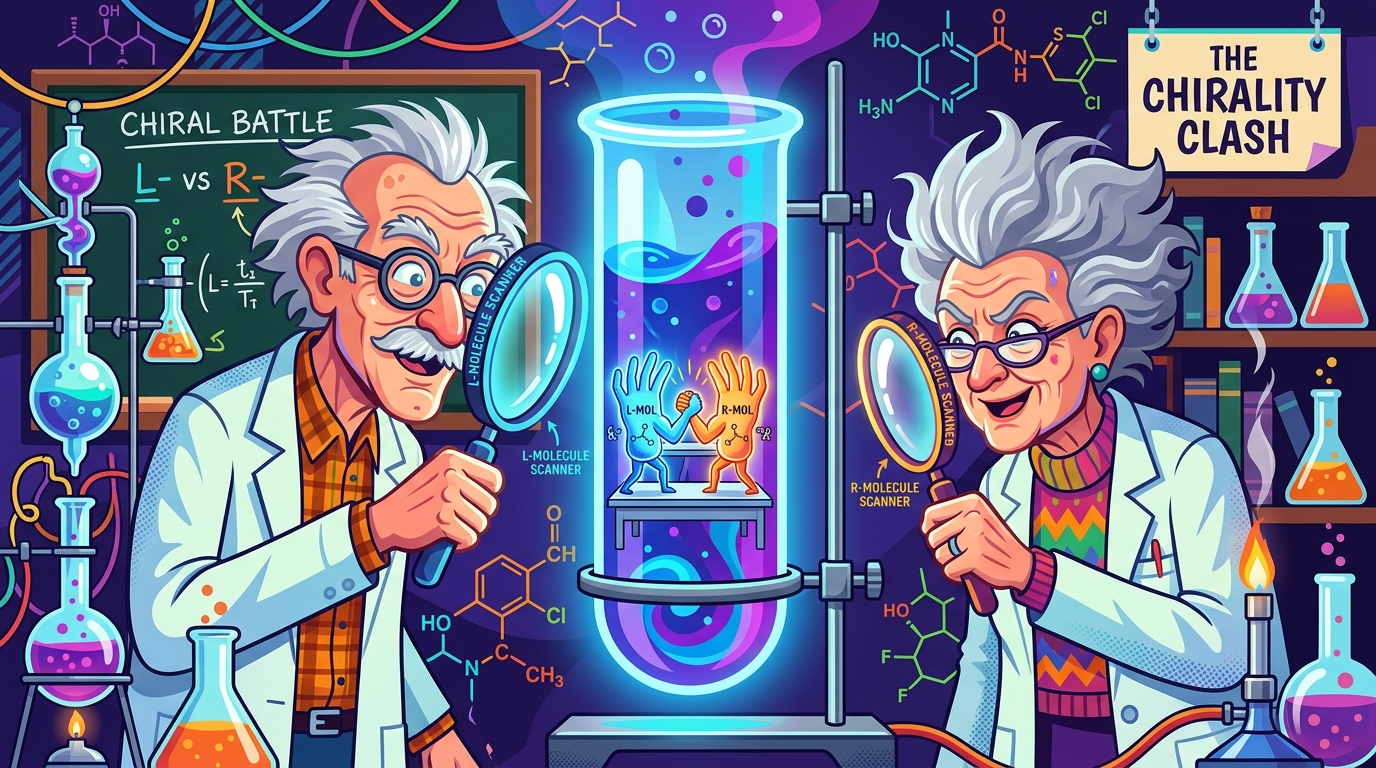
The Great Molecular Arm Wrestle: Why the 2026 Nobel Prize in Chemistry Won't Shake Your Right Hand
The 2026 Nobel Prize in Chemistry honors Henri B. Kagan and Kenso Soai for cracking homochirality—explaining how a microscopic nudge can cause one mirror-image molecule to mercilessly bully its twin out of existence.
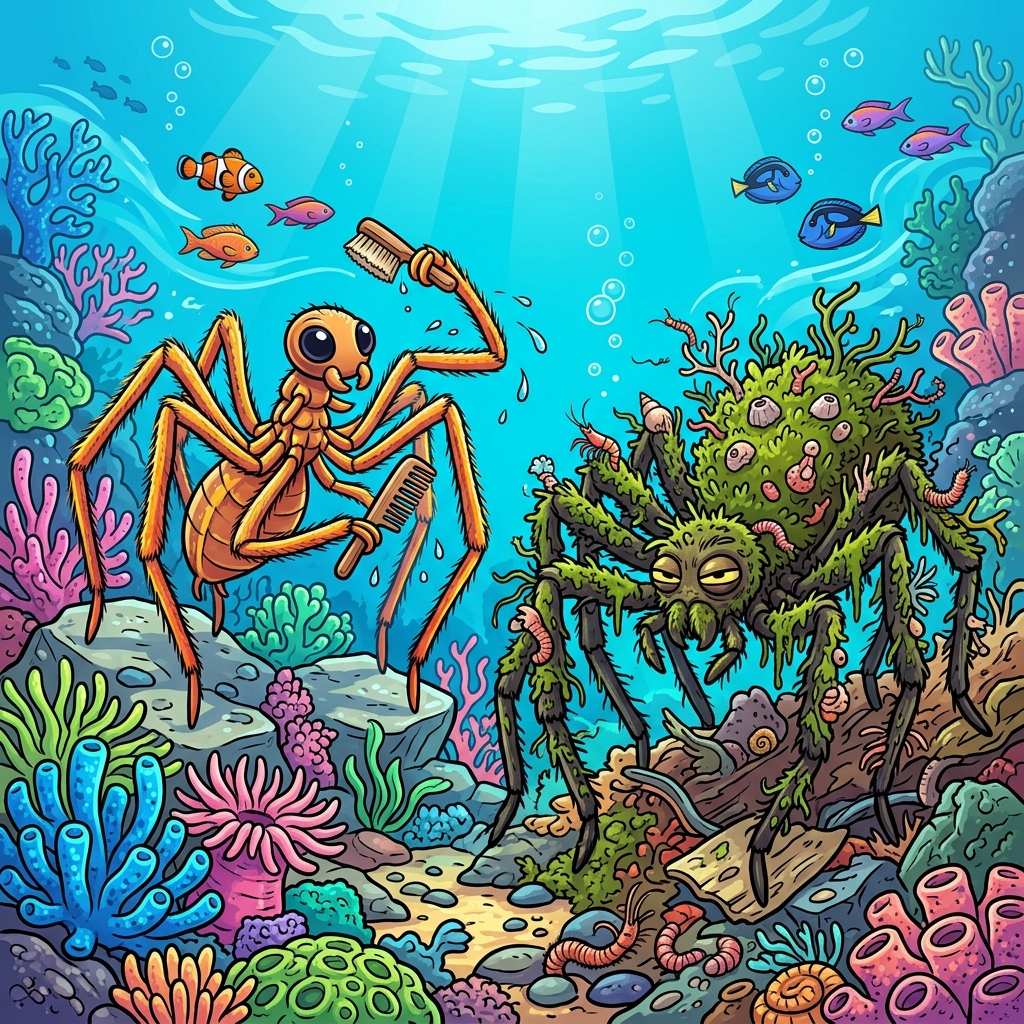
Meet the Ocean's New Odd Couple: One Sea Spider Goes to the Spa, the Other Lives as a Walking Compost Heap
Marine biologists in Canada have discovered two new species of sea spiders in the Salish Sea for the first time in a century: one obsessively combs its hairy legs with specialized appendages, while its clumsy cousin is too short to groom and hosts a parasitic flea market on its back.