One Head, Hundreds of Butts: Marine Biologists Uncover 10 New Species of Branching Worms
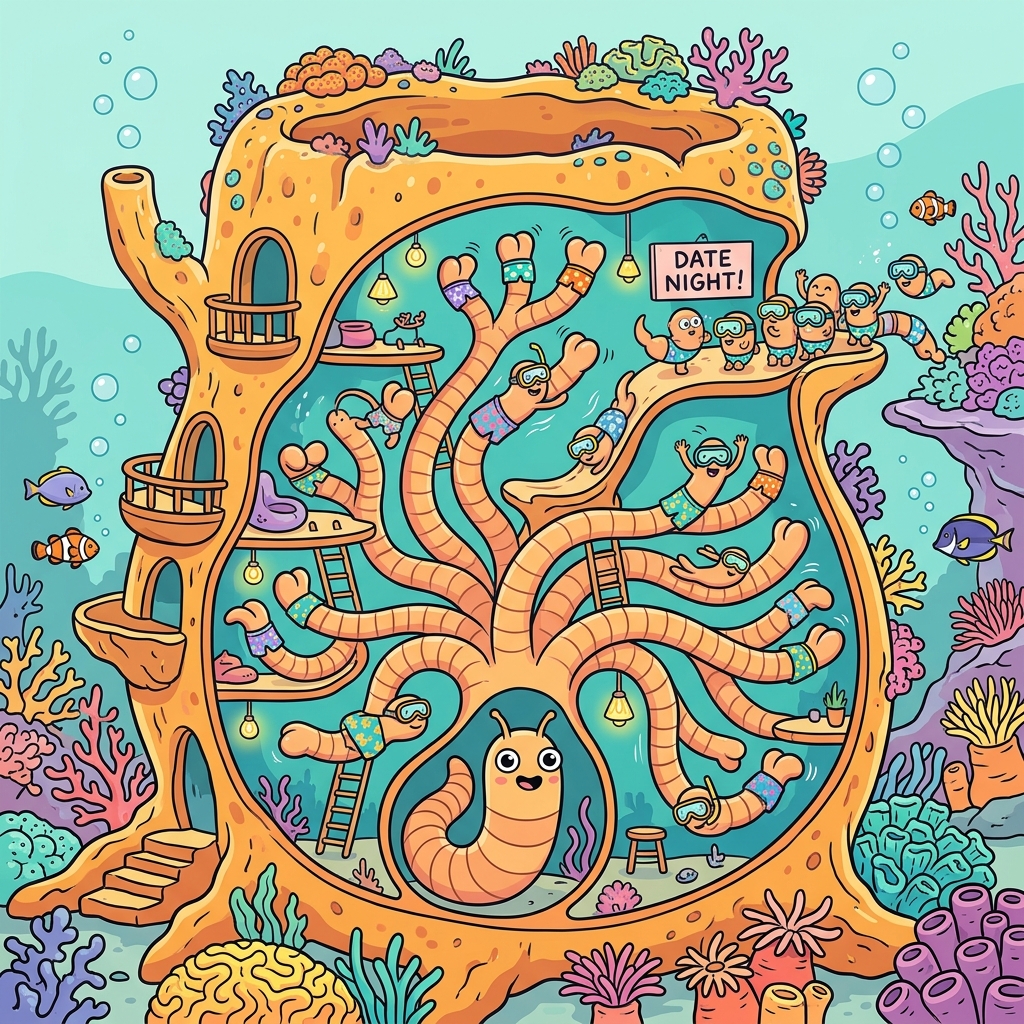
Most animals adhere to a fairly straightforward blueprint: one brain at the front to make questionable life decisions, and one rear end at the back to deal with the consequences. But nature, in its infinite chaotic wisdom, occasionally looks at bilateral symmetry and says, "Hold my beer."
In a study published in the Zoological Journal of the Linnean Society, an international team of marine biologists led by the University of Göttingen cracked open decades of museum jar archives using modern micro-computed tomography (microCT) scanners. What they discovered blew the doors off invertebrate zoology: not only did they identify a brand-new genus christened Cladosyllis, but they uncovered 10 new species of branching marine worms. This discovery explodes the global count of known branching worm species from a mere three to a baker's dozen of thirteen.
🧽 The Ultimate Sponge Roommate: How They Work
These creatures belong to the marine annelid family Syllidae, but unlike their run-of-the-mill earthworm cousins, they possess an anatomical architecture that resembles a subterranean subway map:
- Tree-Like Architecture: Inside the labyrinthine internal plumbing of hexactinellid (glass) sea sponges, these worms grow like ivy. Starting from a single, unassuming head near the base, the body branches out repeatedly into hundreds of interconnected trunks and branches.
- Hidden in Plain Sight: Because they weave invisibly throughout the sponge's microscopic canals, you could stare at an infected sponge for an hour and never see the worm. Many of these museum specimens had sat on dusty shelves since the 1870s HMS Challenger expedition without anyone realizing they hosted an alien branching creature!
Now for the part that sounds like a late-night cartoon pitch: How on earth does a worm with hundreds of tail ends reproduce?
The main worm has zero interest in leaving the climate-controlled safety of its sponge penthouse. Instead, it relies on a process called stolonization. When mating season arrives, the tips of the worm's many posterior ends—yes, literally its butts—begin to transform. They swell with eggs or sperm, sprout their own pairs of compound eyes, develop swimming bristles (chaetae), and even grow rudimentary mini-brains!
💘 Autonomous Date Night: Sending Your Tails to the Club
Once fully equipped, these reproductive units (stolons) literally detach from the main worm's body and swim up toward the ocean surface like tiny, self-guided biological drones to find other swimming tails, while the original head and torso stay cozily asleep inside the sponge. If that isn't the ultimate introverted romance strategy, nothing is.
Beyond the sheer comedic absurdity, these findings offer vital evolutionary clues about developmental biology and regeneration. How a single genome coordinates hundreds of growing endpoints without triggering rampant tumors, and how digestive tracts maintain coordinated fluid flow across an arborized living maze, could unlock new principles for synthetic biology and regenerative tissue engineering.
So the next time you feel overwhelmed having to run multiple errands at once, spare a thought for Cladosyllis: imagine having a single brain managing several hundred tails, half of which are trying to grow eyes and swim away to a singles bar.
You might also like
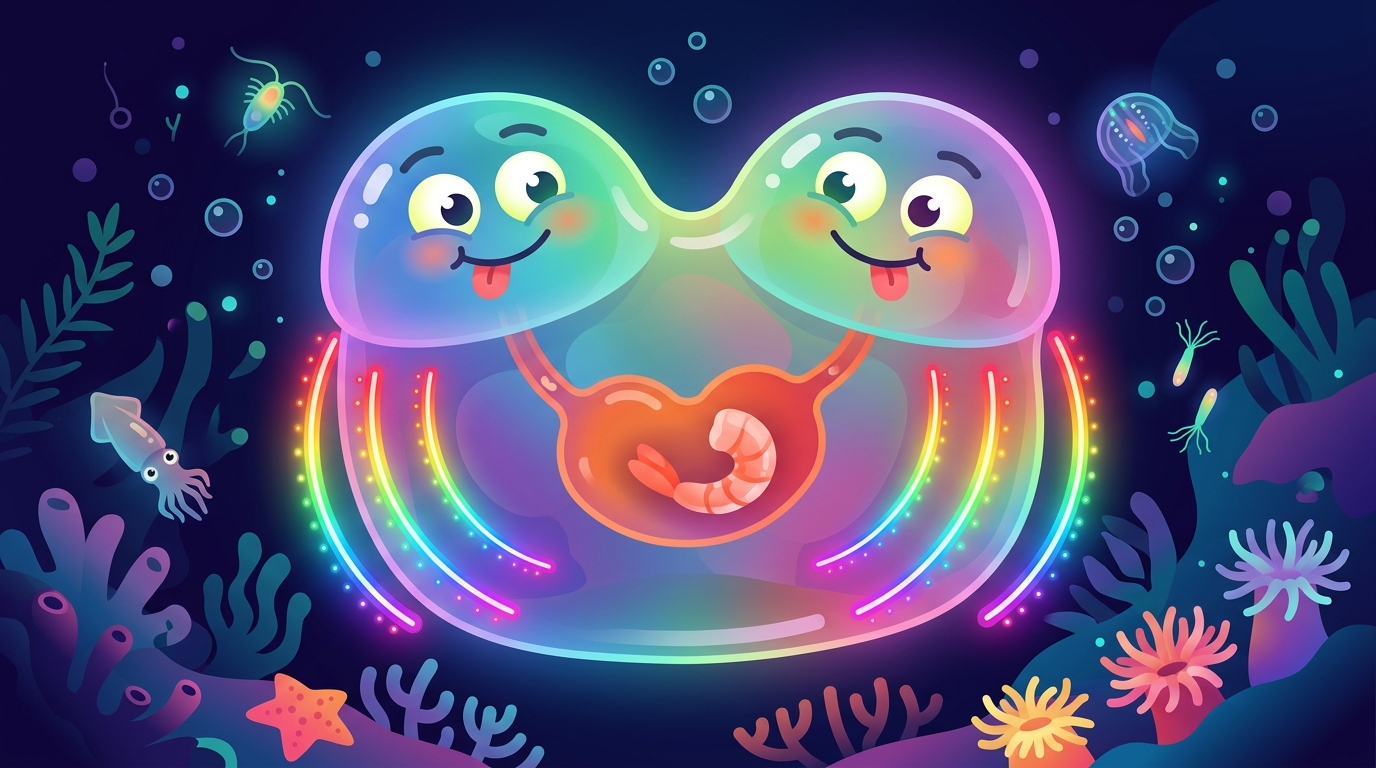
The Ultimate Group Project: Injured Comb Jellies Literally Fuse Bodies into a Two-Headed Super-Creature
When humans scrape an elbow, we put on a band-aid. When sea walnut comb jellies get injured, they grab the nearest neighbor and fuse into a single two-headed, two-stomached chimera overnight.
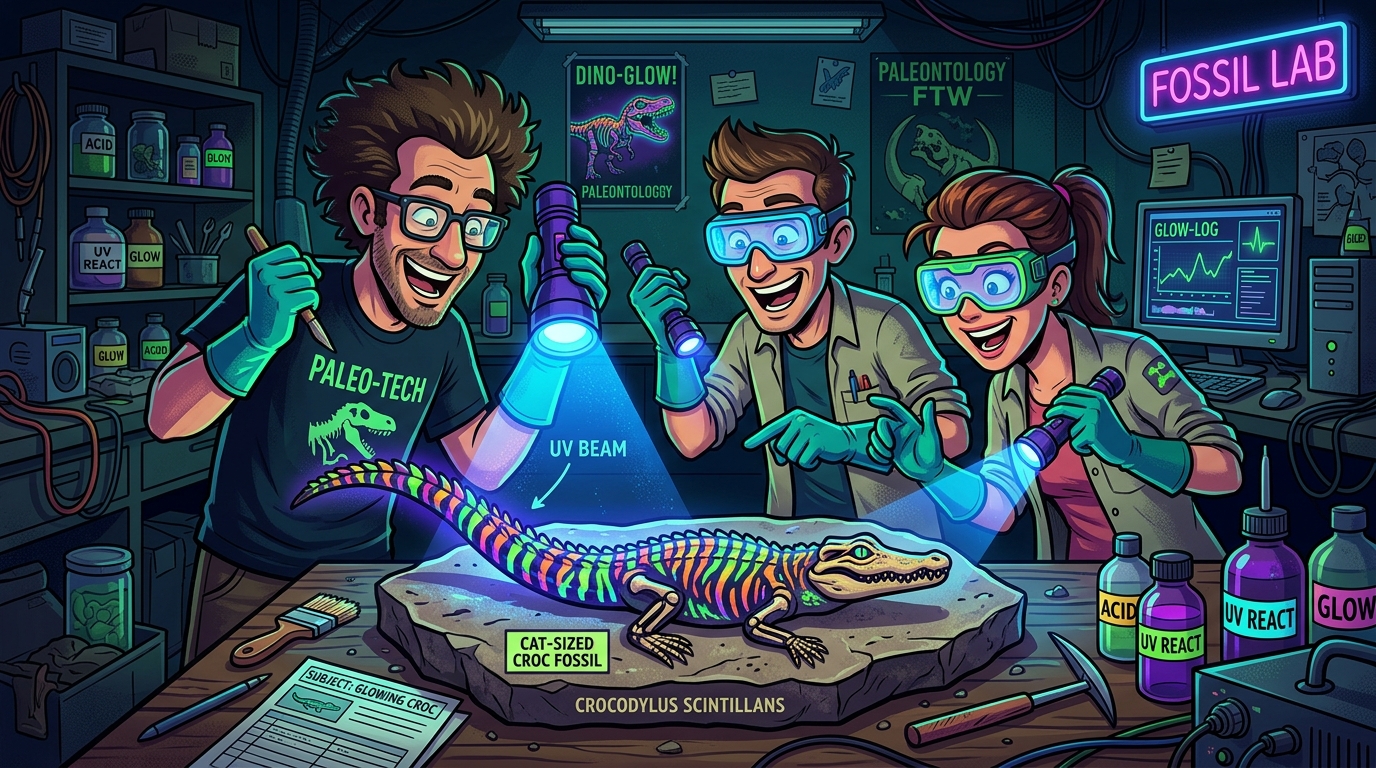
Jurassic Rave Party: UV Blacklight Reveals 125-Million-Year-Old Tiger Stripes on Cat-Sized Fossil Crocodile
Scientists shined an ultraviolet blacklight on a 125-million-year-old Spanish fossil and uncovered prehistoric tail stripes and hidden soft tissues, proving ancient miniature crocodiles rocked disruptive camo fashion long before humans did.
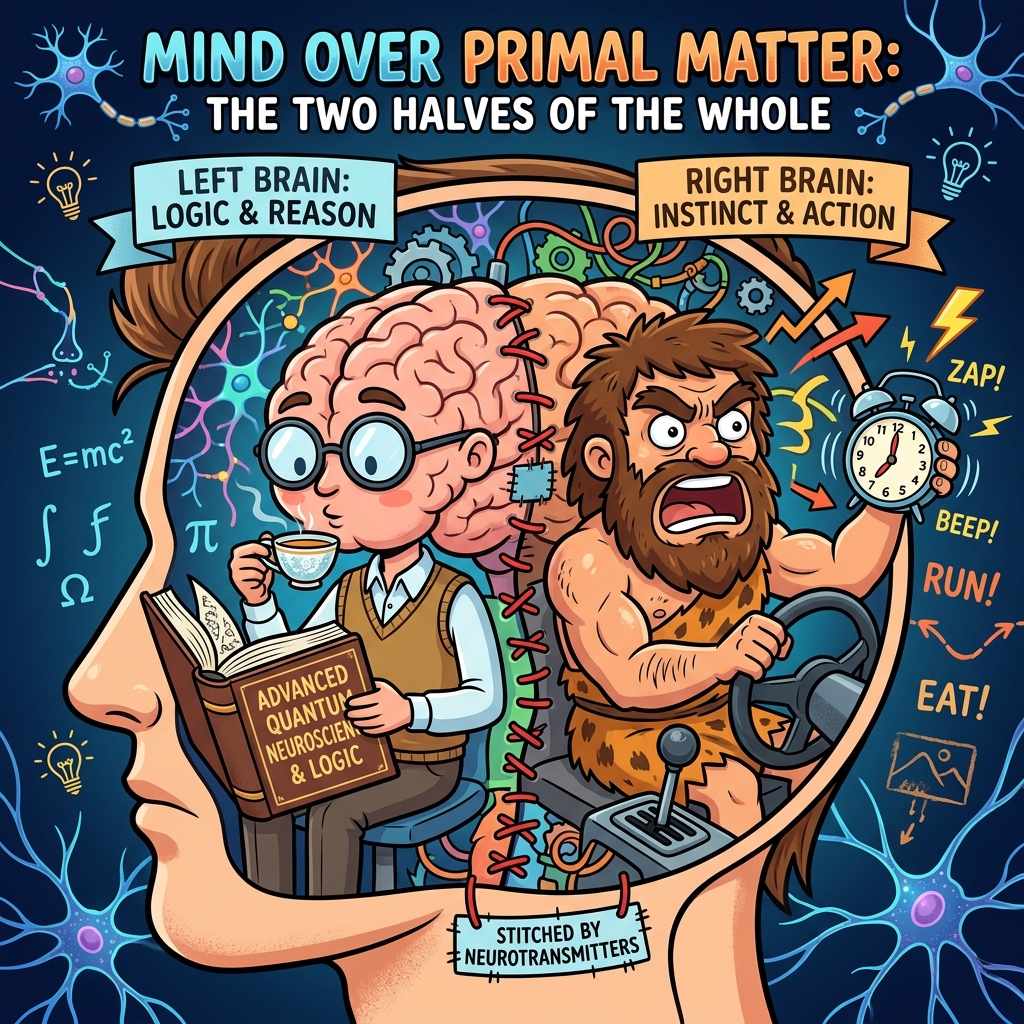
Textbooks Were Wrong: Your Brain Is Actually Two Separate Organs Glued Together
A groundbreaking Stanford Medicine study published in Nature Neuroscience revealed that the human brain isn't a single master organ. It's actually two ancient nervous systems from totally different evolutionary origins that fused together like reluctant biological roommates.