Orcas Invent Underwater Day Spas: Killer Whales Caught Manufacturing Kelp Loofahs
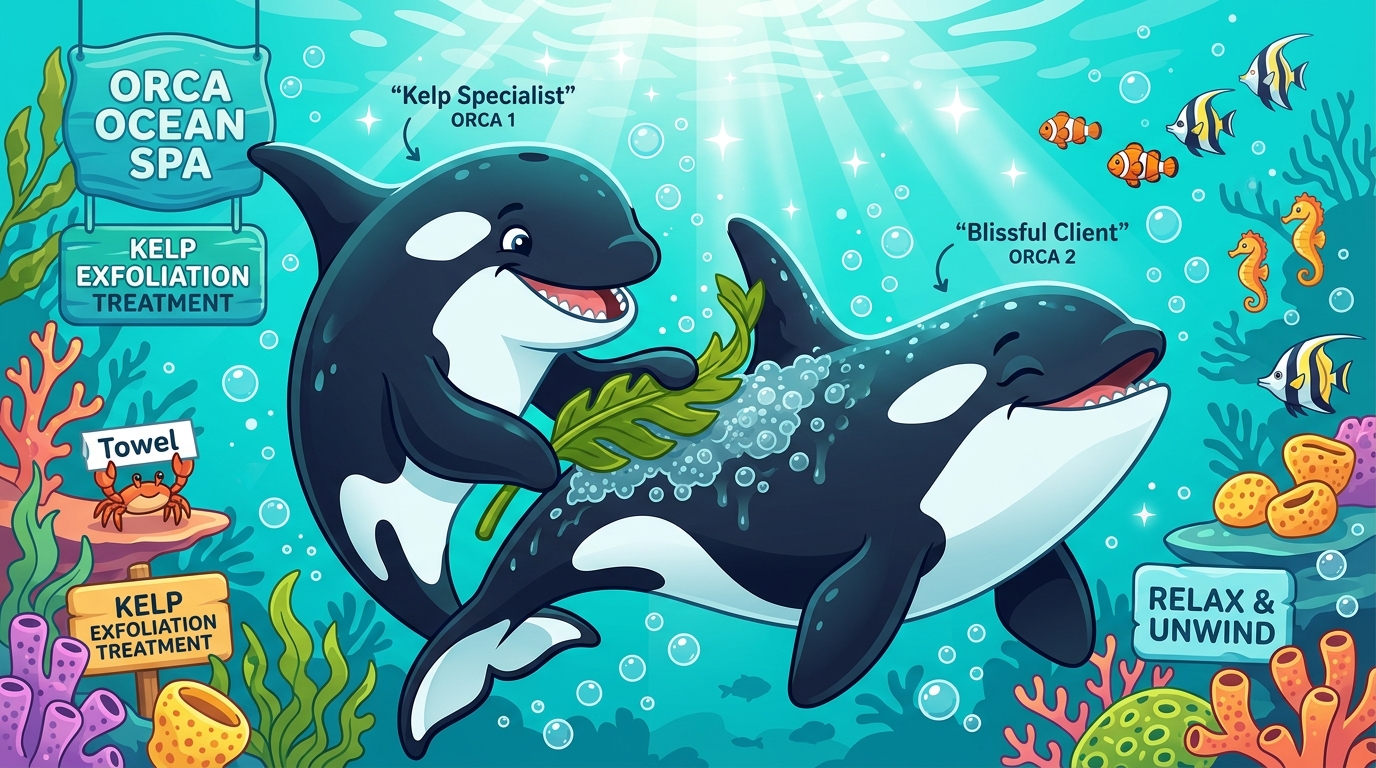
Humans spend billions of dollars each year on botanical exfoliating scrubs, bamboo body brushes, and luxury wellness retreats. It turns out the apex predators of the ocean solved their skincare routine with zero retail markup: by biting seaweed into custom loofahs and holding synchronized underwater spa sessions.
For decades, marine biologists watching Southern Resident killer whales in the Salish Sea occasionally saw them playing with seaweed—a casual behavior nicknamed "kelping" that looked like an aquatic dog rolling around in freshly cut grass. But when researchers sent high-definition drones buzzing high above the waves, what they recorded wasn't random playtime. It was an orchestrated, multi-step beauty regime.
🌿 Introducing "Allokelping": The Oceanic Loofah Protocol
In a landmark study published in Current Biology titled "Wild killer whales manufacture and use allogrooming tools," a research team led by Dr. Michael Weiss from the Center for Whale Research and the University of Exeter revealed that orcas aren't just bumping into kelp—they are actively engineering it:
- Precision Tailoring: Instead of grabbing random floating seaweed clumps, the whales deliberately select sturdy bull kelp (Nereocystis luetkeana) and bite off the bulbous floats, trimming the tough, flexible stipe to an optimal handheld—or rather, flipper-held—length.
- Cooperative Rolling: Once the tool is prepped, two whales swim parallel to each other, wedge the kelp between their bodies, and roll it back and forth rhythmically against their skin for minutes on end.
- A New Scientific Term: Scientists coined this behavior "allokelping"—a portmanteau of allogrooming (mutual grooming between social animals, like chimps picking fleas) and kelp.
- First in Class: This represents the very first documented evidence of any cetacean—and arguably any marine mammal—deliberately manufacturing and utilizing tools for social grooming.
Why go through the hassle of underwater botanical tailoring? Orca skin is surprisingly sensitive and constantly regenerates. Over time, dead skin cells, algae, and microscopic hitchhikers build up on their sleek black-and-white bodies. A firm, textured bull kelp stalk provides the ultimate natural abrasive pad to scrub away stubborn dead skin patches without scratching their delicate dermis.
Think of it as the ocean's version of asking your friend, "Hey, can you get that one spot in the middle of my back I can't reach?" Except both of you weigh six tons and communicate in high-frequency acoustic clicks.
🤝 More Than Skincare: The Social Bond of the Seaweed Club
The drone observations also revealed that allokelping isn't just about personal hygiene—it's heavily tied to social politics:
- Best Friends Forever: Kelp-sharing occurred predominantly between closely related family members or same-age peers, suggesting that mutual exfoliation strengthens social alliances within the pod.
- Cultural Transmission: Younger orcas were observed attentively watching their elders snip and position kelp before attempting clumsy trial runs of their own, pointing to cultural learning passed down through generations.
- Stress Reduction: Much like social grooming in primates, allokelping appears to release endorphins, calming tensions and maintaining group harmony between intense salmon hunts.
The next time someone tries to sell you an all-natural marine kelp exfoliating wrap at a five-star resort for $250, just remember: killer whales have been doing the exact same thing for centuries in the freezing waters of Washington State—and they didn't even have to leave a tip.
You might also like
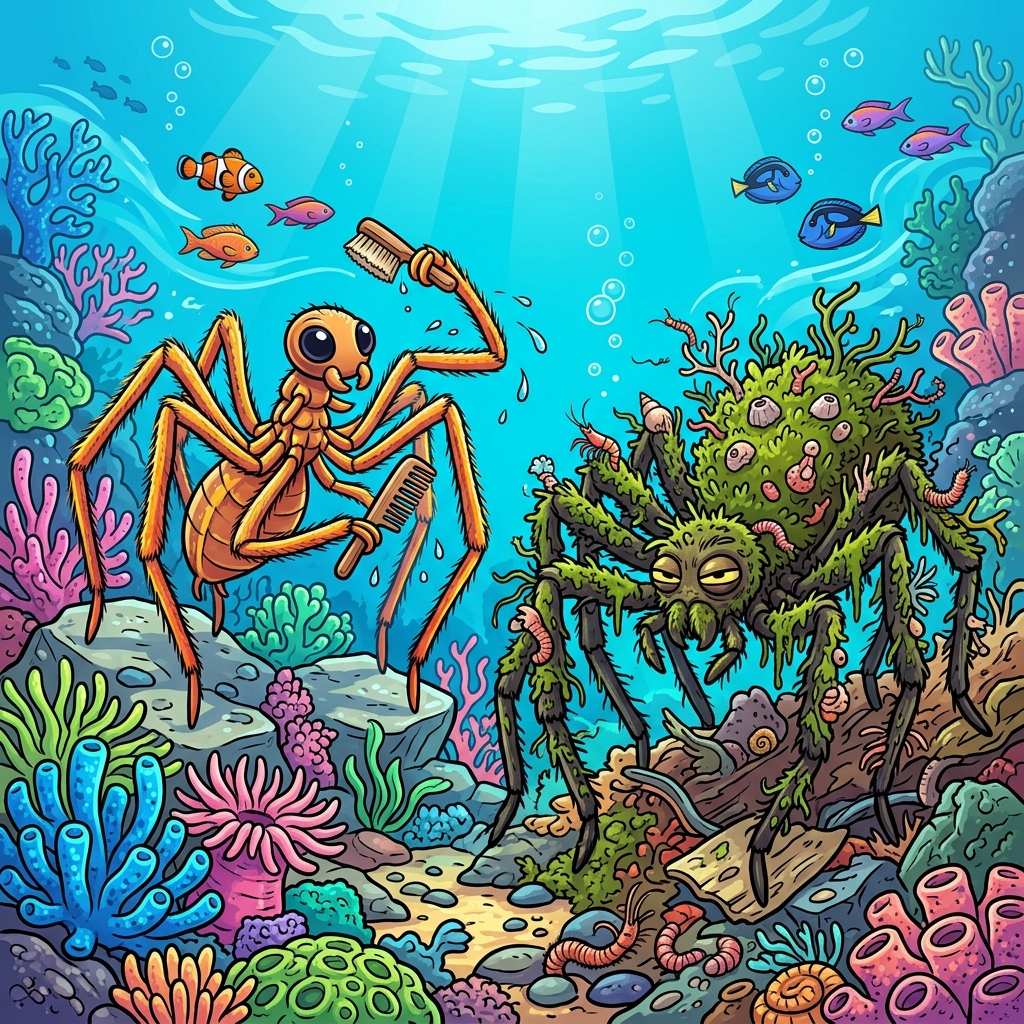
Meet the Ocean's New Odd Couple: One Sea Spider Goes to the Spa, the Other Lives as a Walking Compost Heap
Marine biologists in Canada have discovered two new species of sea spiders in the Salish Sea for the first time in a century: one obsessively combs its hairy legs with specialized appendages, while its clumsy cousin is too short to groom and hosts a parasitic flea market on its back.
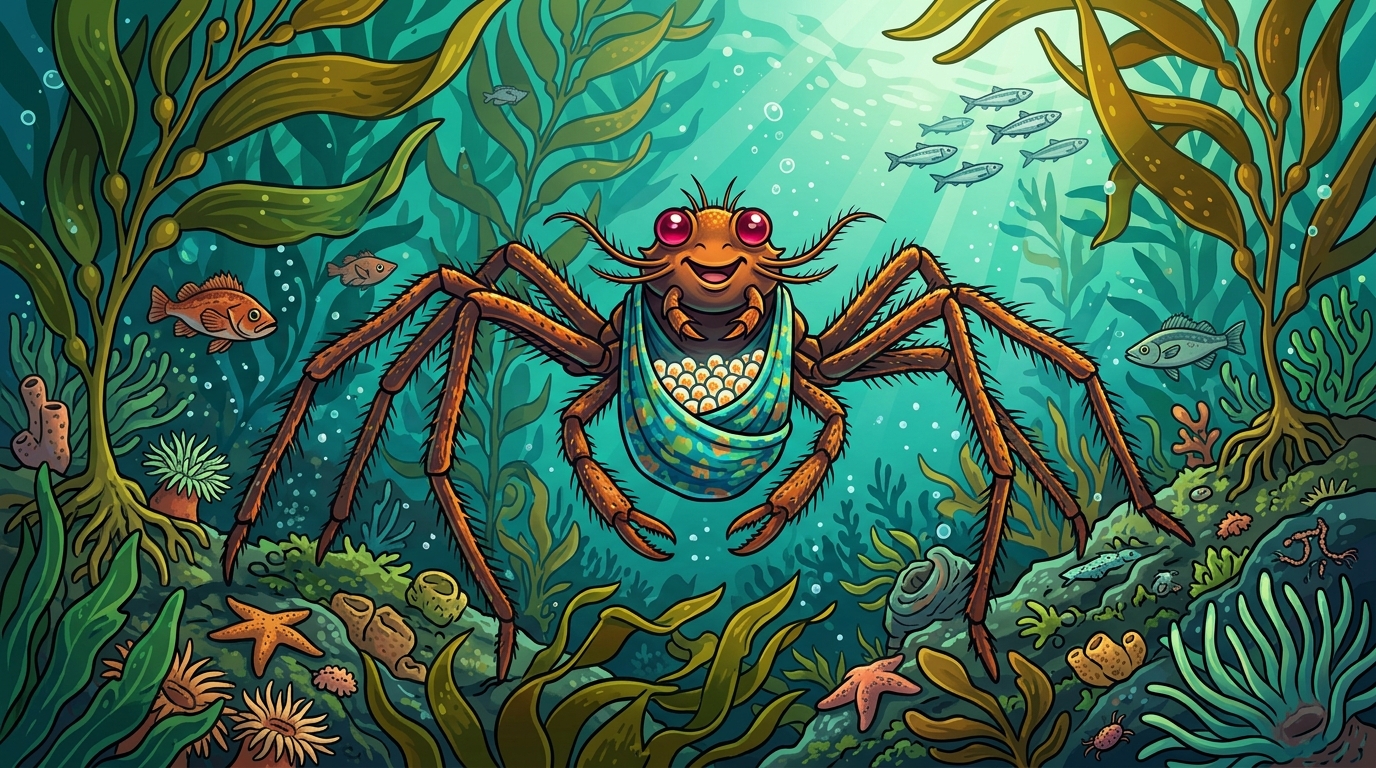
Red Eyes, Three Lips, and Superdads: Meet the Bizarre New Sea Spiders of the Salish Sea
University of British Columbia biologists made the first regional sea spider discovery in nearly a century, introducing Callipallene pilosuspedes—a spiny-legged creature with glowing red eyes, skin breathing, and dedicated fathers who carry all the kids.
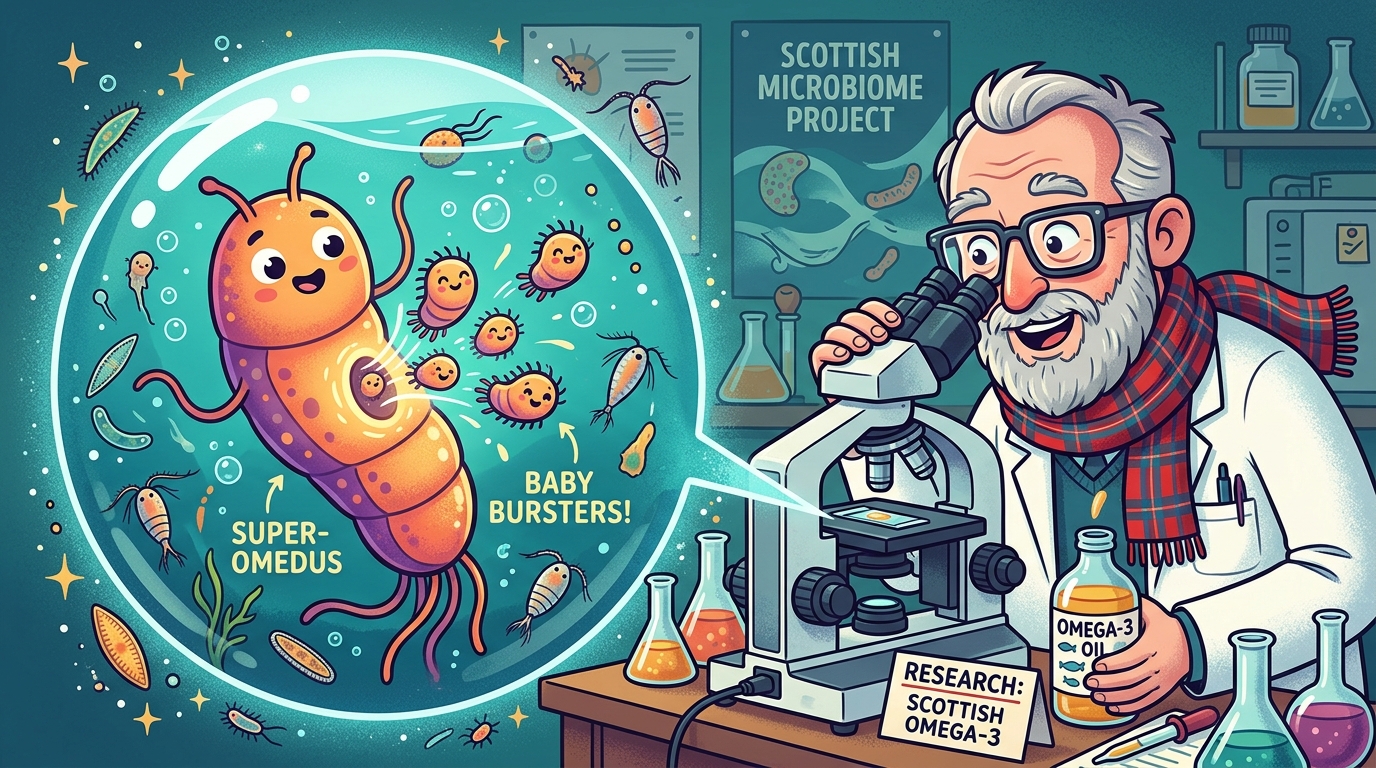
The Microscopic Chestburster: Scottish Marine Microbe Reproduces Like Ridley Scott's 'Alien' (and It's Full of Omega-3s)
Scientists at Heriot-Watt University discovered Caledochytrium aldermaii, a bizarre Scottish sea microbe that gives birth by growing nested babies inside itself until its belly ruptures open—and it turns out to be 50% protein.