Blueberry Drill Sergeant: How Pterostilbene Orders Your Muscles to Torch Fat

Every fitness influencer on the internet has the exact same advice for burning stubborn body fat: wake up at 5:00 AM, drink lukewarm celery water, and sprint on a StairMaster until your soul leaves your body. But biomedical researchers in Japan just peered inside our skeletal muscle fibers and discovered that Mother Nature might have tucked a much tastier fat-burning shortcut inside a bowl of fresh fruit.
In a study published in the peer-reviewed journal Food Bioscience, a research team from Shinshu University revealed the precise molecular mechanism behind pterostilbene—a natural polyphenol found predominantly in blueberries and young grapevines. It turns out this unassuming berry compound acts like a hardened military drill sergeant inside your muscle cells, shouting orders at lazy fat droplets to drop and burn.
🫐 Rescuing the Master Metabolic Switch: PPARδ
In skeletal muscle myocytes, the primary genetic conductor for torching lipids is a nuclear receptor called PPARδ (Peroxisome Proliferator-Activated Receptor Delta). Under sedentary conditions, your muscle cells quickly tag PPARδ proteins with ubiquitin tags, sending them straight to the cellular trash compactor. Pterostilbene physically intervenes: it halts the degradation of PPARδ, keeping the master metabolic fat-burning switch permanently locked in the "ON" position.
Using cultured skeletal muscle myocytes and metabolic flux assays, the Shinshu researchers observed a dramatic cascade of cellular transformations:
- Fourfold Supercharged Resveratrol: While resveratrol in red wine gets all the anti-aging marketing hype, pterostilbene possesses two methoxy groups that make it drastically more lipophilic and bioavailable. It passes through cell membranes four times faster and stays active in tissues hours longer.
- Direct Lipid Eviction: With stabilized PPARδ at the helm, the muscle cells ramped up the expression of fatty acid transporters (like CPT1), dragging stored lipid droplets straight into mitochondria to be oxidized into clean energy.
- Sparing Lean Muscle: Unlike crash starvation diets that prompt the body to cannibalize skeletal muscle for fuel, pterostilbene specifically accelerates fatty acid breakdown while leaving contractile muscle fibers completely untouched.
🥞 Berries Over Burpees?
Before you cancel your gym membership and devour three blueberry pies, the researchers caution that dietary blueberries alone only deliver microgram concentrations. However, this breakthrough lays the direct blueprint for next-generation nutraceuticals and targeted therapies against sarcopenic obesity and Type 2 diabetes.
Still, the next time you toss a handful of blueberries into your morning smoothie, give yourself a mental high five. Deep within your bicep fibers, a tiny blue drill sergeant just blew his whistle, ordering your fat cells onto the treadmill!
You might also like
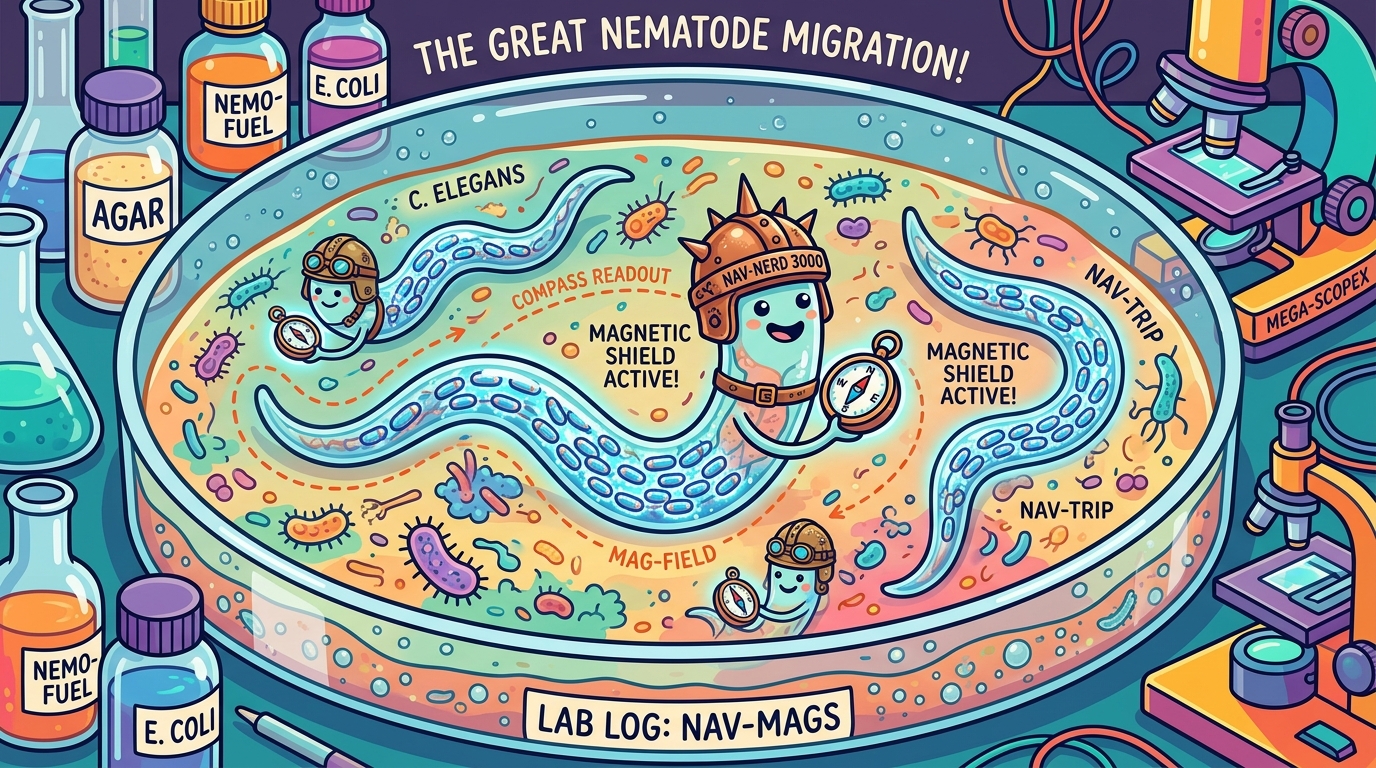
Eat Magnets, Live Forever: How Chinese Scientists Gave Microscopic Worms a 43% Longevity Boost
Scientists at the Chinese Academy of Sciences fed C. elegans nematodes magnetotactic bacteria, extending their lifespan by 43.4%. By using intracellular magnetosomes to vacuum up toxic reactive iron, the bacteria halt ferroptosis and turn gut biomes into youth-preserving compasses.
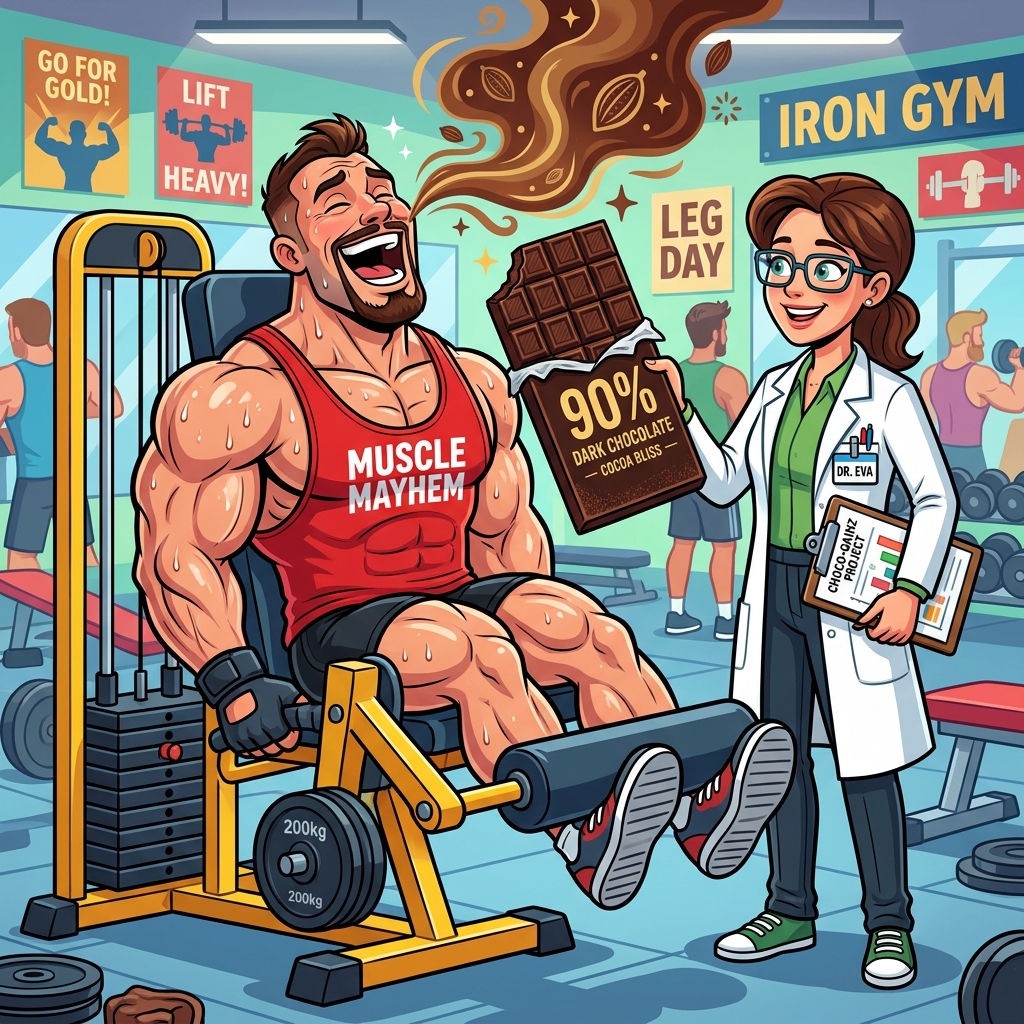
Forget Pre-Workout: Sniffing 90% Dark Chocolate Unlocks 18 Extra Gym Reps
A study in Frontiers in Physiology reveals that inhaling dark chocolate aroma for 30 seconds tricks your brain into cranking out 18 more leg-extension reps with zero extra fatigue.
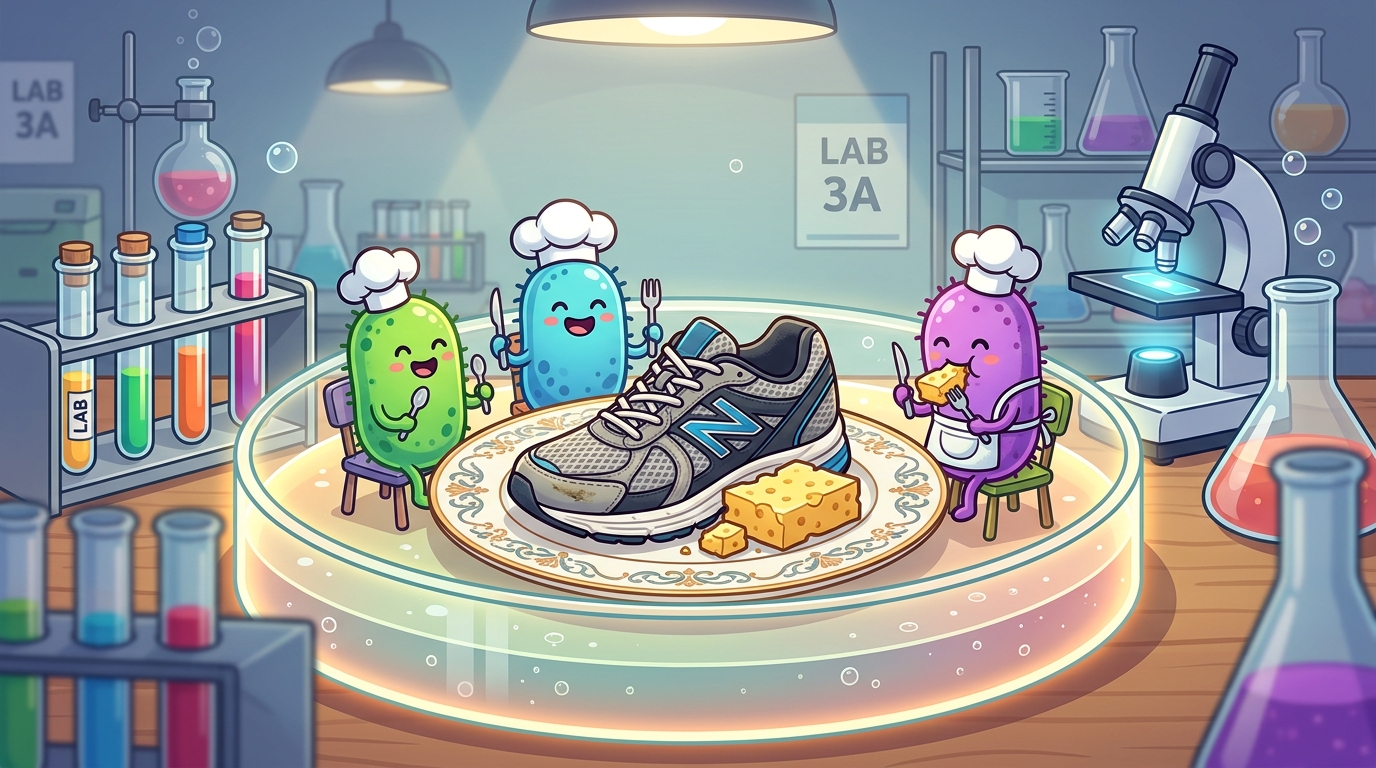
Sneakers for Lunch: Scientists Engineer Compost Microbes That Munch on Old Shoes and Mattress Foam
Danish researchers scoured tropical zoos, Kenyan landfills, and bug guts to find bacteria capable of breaking down polyurethane and nylon—engineering an enzyme that feasts directly on discarded shoe soles.