House of the Dragon IRL: Scientists Discover Spiky Yellow Dragon Lizard in Thailand and Name It After Syrax
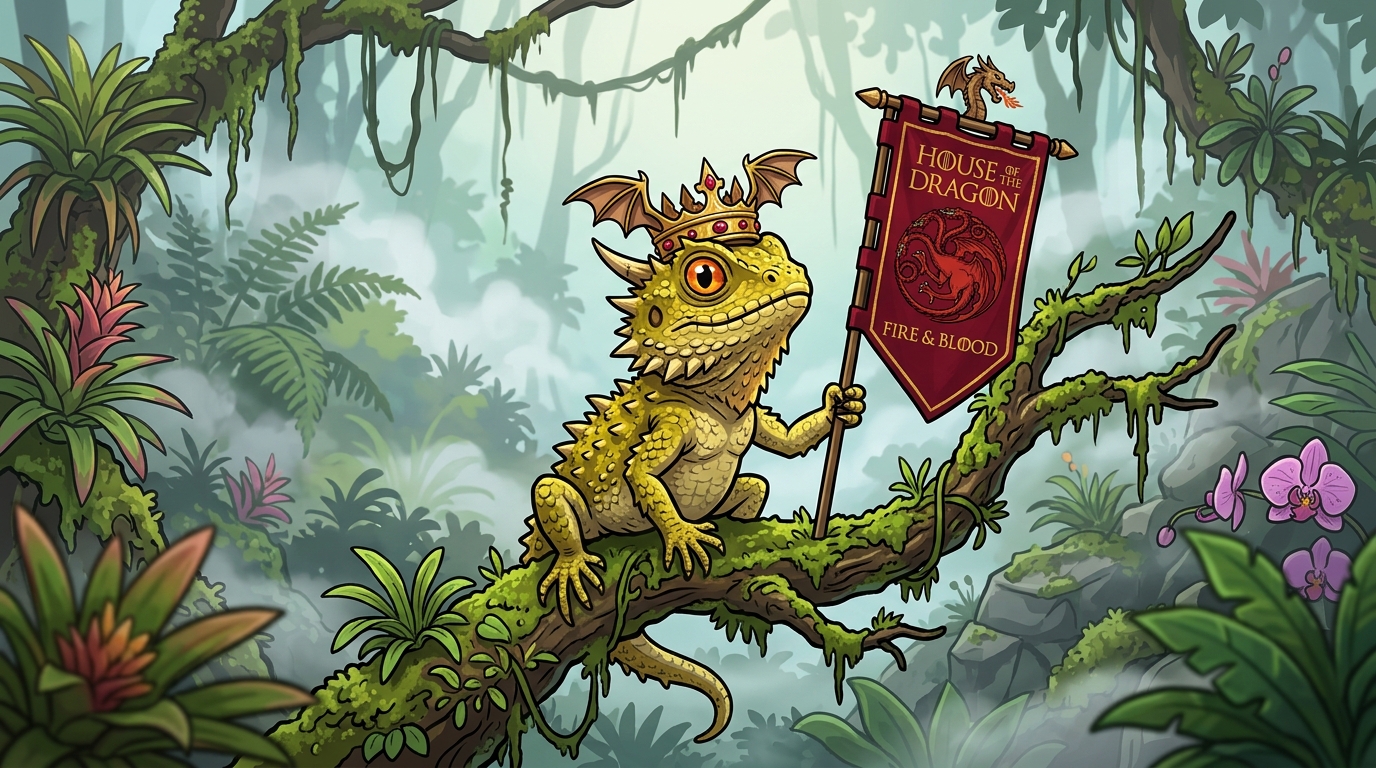
If you thought dragons only existed in George R.R. Martin's Westeros or on high-budget HBO streaming servers, think again. Deep in the misty mountain peaks of western Thailand, a team of passionate herpetologists has officially discovered a real-life miniature dragon. Meet Acanthosaura syrax—a spiky, yellowish-green mountain horned dragon lizard formally named in honor of Syrax, the fierce golden dragon ridden by Queen Rhaenyra Targaryen in House of the Dragon!
Published in the taxonomic journal ZooKeys by researchers led by Poramad Trivalairat from the Chulabhorn Royal Academy and Kasetsart University, the new species was discovered perched high in the evergreen canopy of Mae Wong National Park. Living at elevations above 1,300 meters where cold mountain fog rolls through the mossy trees, this little dragon looks like it just stepped off the set of a fantasy blockbuster.
🐉 Why This Lizard Earned a Targaryen Name
Here is how this high-altitude Thai reptile channeled its inner dragon:
- Golden Scales: Just like Queen Rhaenyra's she-dragon Syrax, this creature sports a stunning yellowish-to-olive-green coloration that sparkles against dark mountain foliage.
- Spiky Crown & Armored Neck: It possesses sharp, thorn-like horns above its eyes and an ornate ridge along its spine, though its crest scales are uniquely smaller than those of its 22 fellow mountain dragon cousins.
- Prolific Egg-Layer: In the fantasy lore of Westeros, Syrax was renowned for laying frequent clutches of dragon eggs. Similarly, biologists noted that female A. syrax produce an unusually large number of eggs relative to their petite body size.
- No Black Eyepatch: Unlike related dragon lizards that sport black, pirate-style eye markings, Syrax wears a dignified dark neck collar, giving it a distinctly regal visage.
While this miniature Syrax won't be burning the Lannister army or melting stone fortresses anytime soon, its discovery is a big deal for regional biodiversity. Mountain-top cloud forest ecosystems in Southeast Asia are fragile "sky islands"—isolated high-altitude environments where unique species evolve in microclimates completely separated from the tropical lowlands.
Because Acanthosaura syrax is restricted to a very narrow strip of high-elevation peaks, researchers hope that naming the lizard after a pop-culture icon will turn the little reptile into a charismatic flagship ambassador for protecting Mae Wong's pristine montane forests.
👑 "Dracarys, but Make It Snack-Sized"
Imagine hiking through the Thai wilderness, brushing a mossy fern aside, and being greeted by a palm-sized golden dragon glaring up at you with fierce reptilian pride, daring you to challenge the Iron Throne over a prize cricket.
Pop culture references in taxonomy can sometimes feel gimmicky, but in the case of Acanthosaura syrax, it fits like a tiny golden crown. Long live the Queen's dragon of Mae Wong!
You might also like
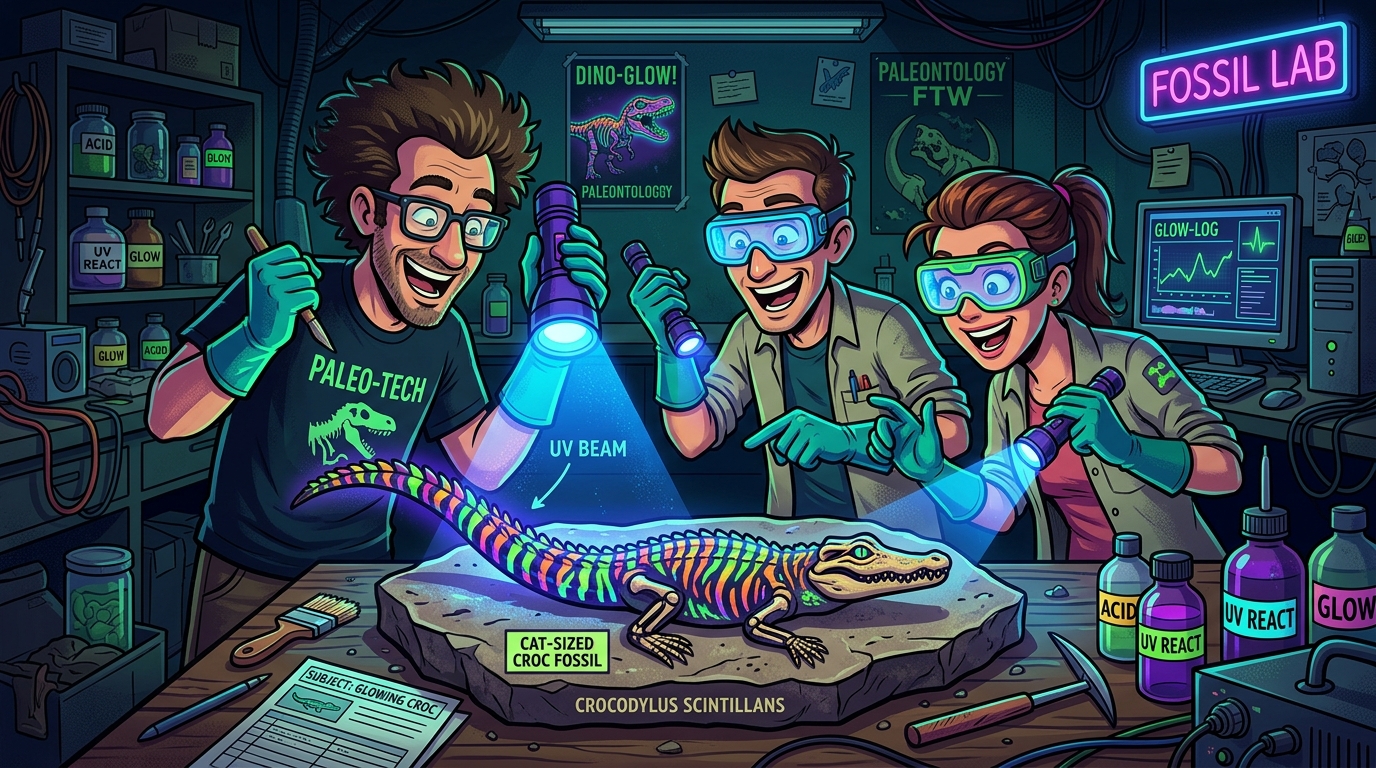
Jurassic Rave Party: UV Blacklight Reveals 125-Million-Year-Old Tiger Stripes on Cat-Sized Fossil Crocodile
Scientists shined an ultraviolet blacklight on a 125-million-year-old Spanish fossil and uncovered prehistoric tail stripes and hidden soft tissues, proving ancient miniature crocodiles rocked disruptive camo fashion long before humans did.

Trunk Day at the Botanical Gym: Trees Have 'Muscles' and Flex Tension Wood to Fix Bad Posture
Think you have bad posture? Botanists discovered trees have proprioception—internal body awareness—and actively flex specialized 'tension wood' muscles to straighten their curved trunks when nobody is watching.
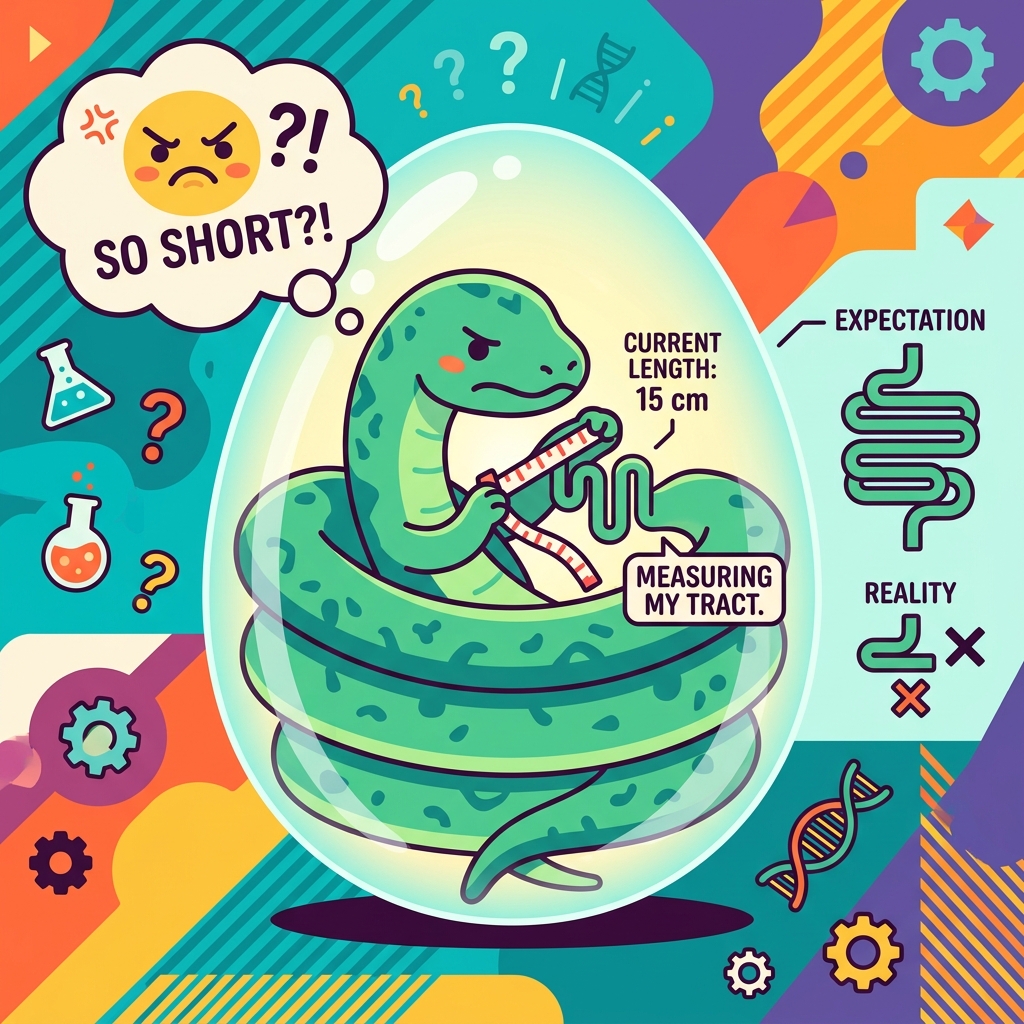
Why Baby Snakes Do the Twist: Embryos Forced into Clockwise Coils by Slower-Growing Guts
In Current Biology, scientists discover why snake embryos consistently curl into right-handed spirals: an explosive spinal growth spurt tethered by a slower digestive tract.