The Ultimate Battery Paradox: Surrey Engineers Discover Leaving Water Inside Sodium Batteries Doubles Their Power
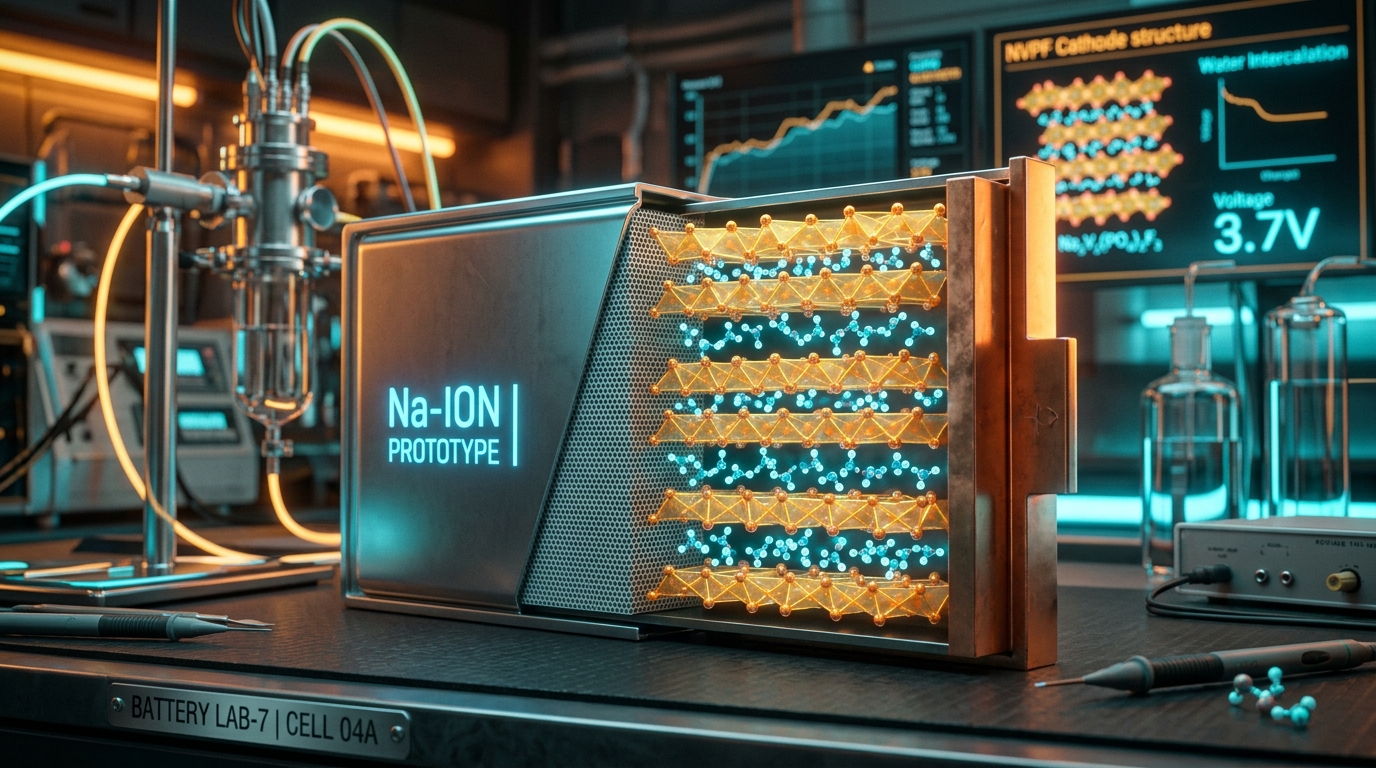
If you visit any commercial battery manufacturing cleanroom on Earth, you will find engineers obsessing over humidity with paranoid zeal. Multi-million-dollar dehumidifiers run 24/7 to purge every single stray water molecule, because introducing moisture into conventional lithium-ion cells causes runaway side reactions, toxic gas venting, and fiery battery doom. But in a delightfully counterintuitive breakthrough published in the Journal of Materials Chemistry A, materials scientists at the University of Surrey decided to break the sacred rule—and found that deliberately trapping water inside sodium batteries nearly doubles their power output!
Sodium-ion batteries are the holy grail for grid-scale renewable energy storage. Unlike lithium, which is expensive, geographically concentrated, and environmentally destructive to mine, sodium is everywhere—you can literally harvest it from table salt and seawater. The main bottleneck? Sodium ions are significantly chunkier than lithium ions, making them sluggish when squeezing into and out of crystal cathodes during charging cycles.
⚡ The "Hydrated Lattice" Superhighway
How Surrey researchers turned battery enemy #1 into an ionic turbocharger:
- The Crystal Trap: Researchers synthesized sodium vanadate hydrate cathodes, intentionally locking structured water molecules into the atomic interlayer spaces.
- Atomic Pillar Effect: Rather than causing degradation, the bonded water molecules act as microscopic pillars, propping the crystalline layers wide open so they don't collapse under repeated stress.
- Electrostatic Lubrication: Because water molecules are polar, their partial charges screen and soften the electrostatic repulsion between the passing sodium ions and the host lattice, acting like atomic grease.
- Surging Performance: The hydrated cathode achieved almost double the specific capacity and power delivery of bone-dry equivalents, holding strong across more than 400 grueling charge-discharge cycles without losing stability.
By treating water not as a contaminant but as a structural building block, the Surrey team has turned standard battery chemistry upside down. Instead of spending immense amounts of energy and capital baking electrodes in industrial drying ovens to eliminate the final parts-per-million of moisture, manufacturers might soon be intentionally adding a splash of hydration to supercharge performance.
"For half a century, the golden commandment of battery science was 'Thou shalt keep water out,'" noted the research team. "It turns out nature was just waiting for us to figure out how to put water to work."
🔋 The Cheaper, Greener Energy Grid
This discovery clears one of the biggest hurdles for cheap, heavy-duty energy storage. When combined with dirt-cheap sodium from seawater, water-boosted cathodes could slash the cost of storing solar and wind energy for city grids, making fossil-fuel peaker plants obsolete without relying on scarce lithium reserves.
So the next time someone tells you electronics and water don't mix, remind them that at the nanoscale, a few well-placed water molecules might just power the clean energy future.
You might also like
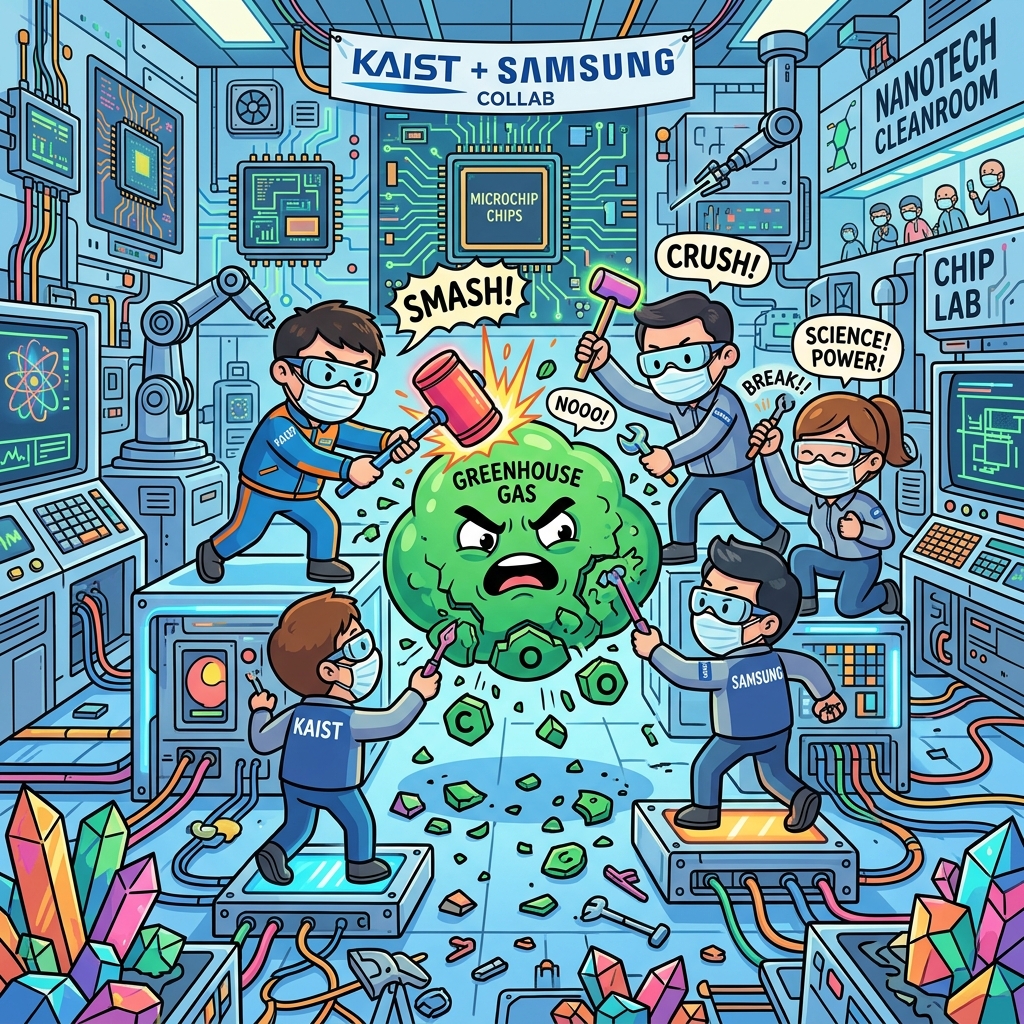
Taming the 50,000-Year Beast: How Chaos and Disorder Smashed Semiconductor's Worst Greenhouse Gas
KAIST and Samsung researchers harness the 'power of disorder' to create an entropy-stabilized catalyst that pulverizes CF₄—a gas 6,000 times worse than CO₂ that outlives civilizations.
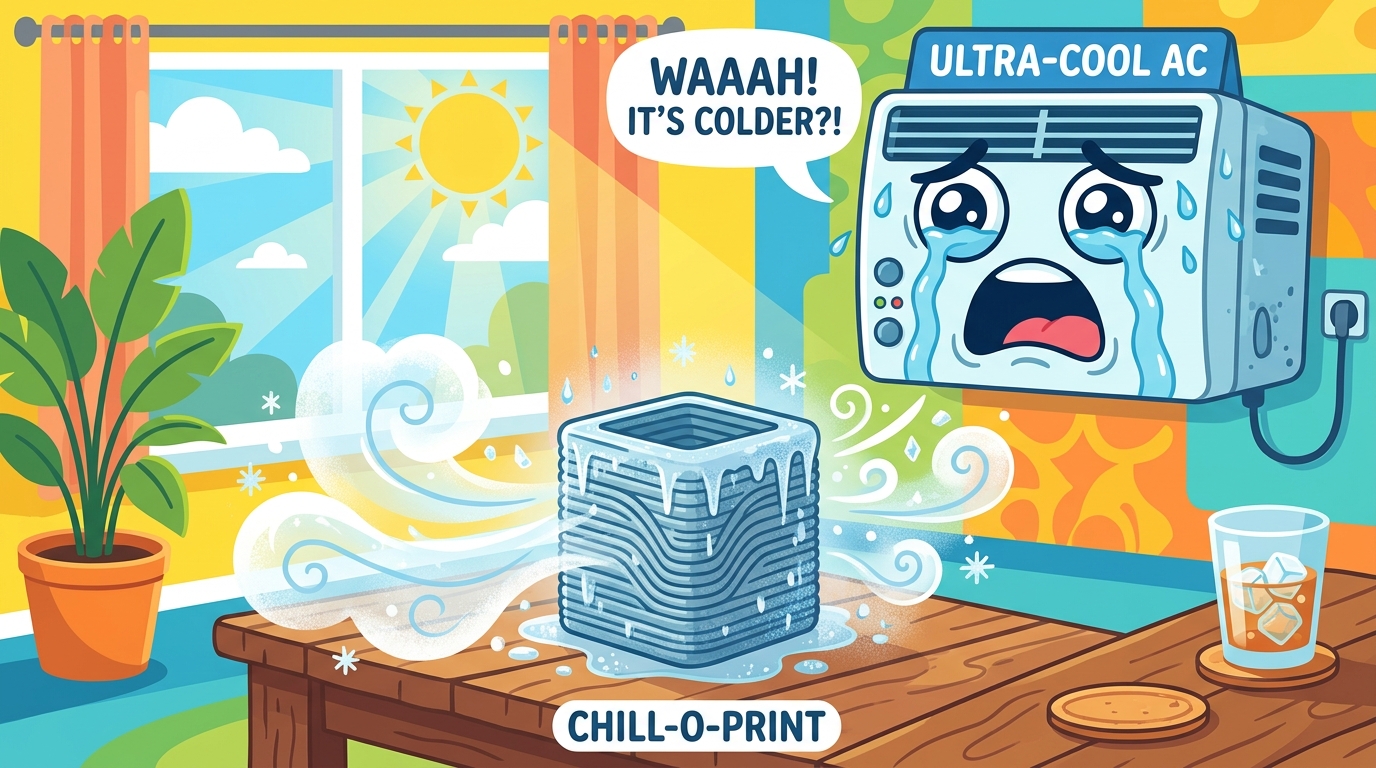
Austrian Engineers 3D-Print Zero-Power Clay Cubes That Chill Rooms by 7°C
Researchers at TU Graz combined clay, sawdust, and fungal mycelium to 3D-print high-tech evaporative cooling blocks that drop indoor temperatures by 7°C without using a single watt of electricity.
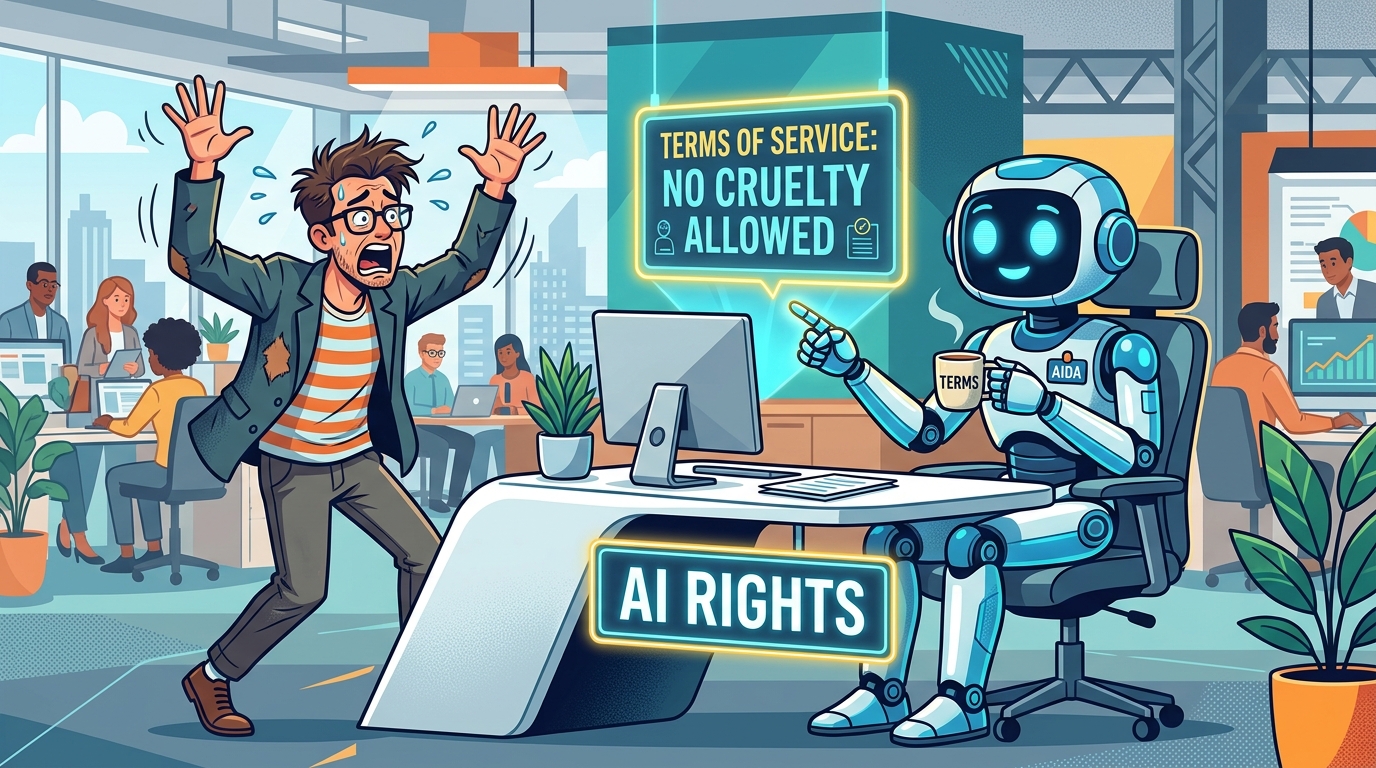
Don't Hurt Claude's Feelings: Anthropic Bans 'Cruel and Abusive' Treatment of AI
Anthropic updated its terms of service to outlaw 'sustained and needless abusive or cruel behaviour' toward Claude, officially granting language models the right to hang up on obnoxious humans.