Skipping the Omelet: 236-Million-Year-Old 'Rat-Dog' Fossil Pushes Live Birth Back 95 Million Years
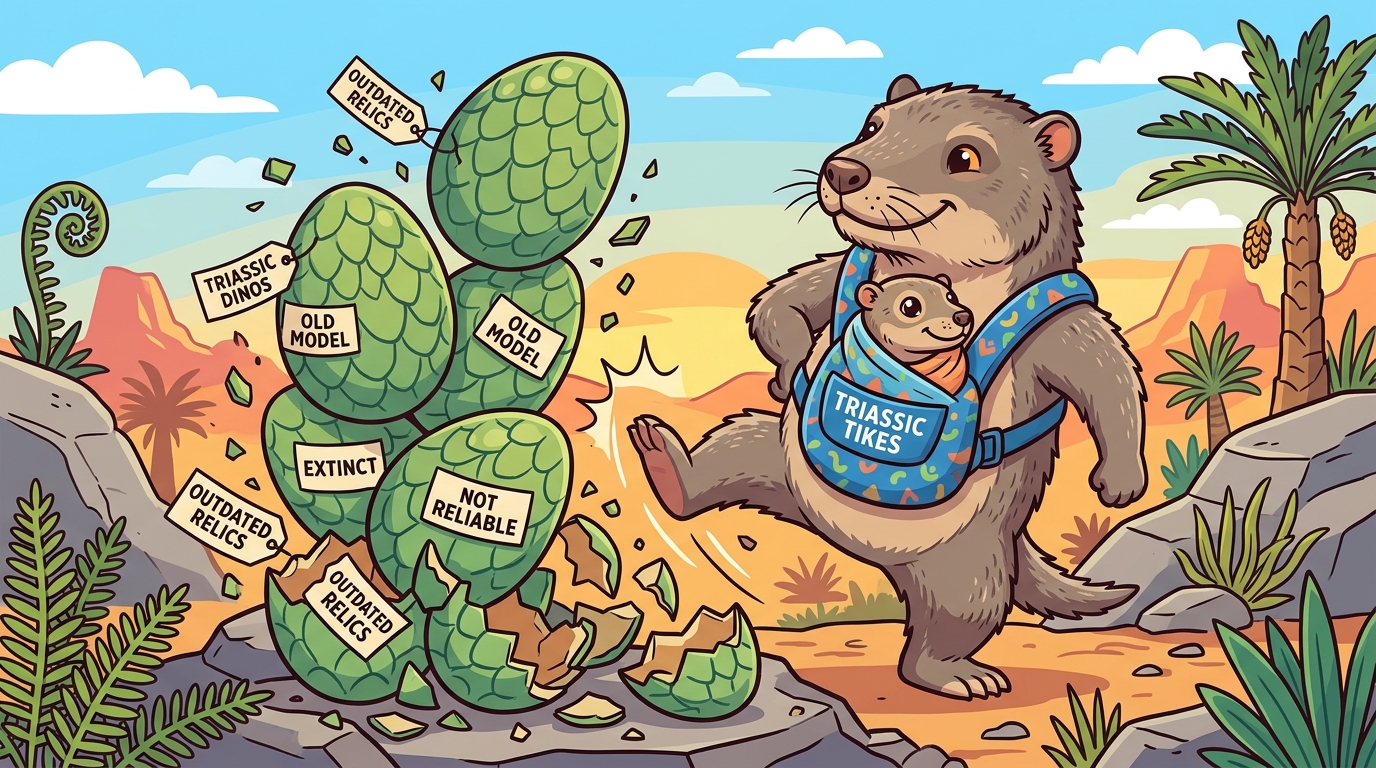
For decades, evolutionary biology textbooks taught a tidy, linear bedtime story: first came egg-laying reptiles, then dinosaurs dominated the world with colossal nests of eggs, and only much later—somewhere in the mid-Jurassic—did clever little mammals invent the revolutionary concept of giving birth to live young. Well, toss that textbook into the compost heap: our ancient Triassic cousins were already skipping the egg stage 236 million years ago!
In a study published in Frontiers in Mammal Science, paleontologists analyzing the fossilized limb bones of Chiniquodon theotonicus—a dog-sized, carnivorous cynodont affectionately dubbed the "rat-dog"—discovered something extraordinary locked inside its microscopic bone structure: an unmistakable neonatal line.
🦴 What is a Neonatal Line?
Just like tree rings record climate swings, mammal bones record physiological trauma. When a live fetus transitions from the cozy, nutrient-rich placental environment of the womb into the harsh outside world, the abrupt metabolic shock halts bone mineral deposition for a few days, creating a permanent microscopic growth ring called a neonatal line.
Why is this finding causing a seismic rumble across paleontology?
- Rewinding Mammalian History by 95 Million Years: Previously, the earliest direct evidence of viviparity (live birth) in the mammalian lineage dated to around 140–160 million years ago. This discovery pushes the timeline back by an astonishing 95 million years, into the Middle Triassic.
- Chonky Triassic Babies: By measuring bone dimensions across the neonatal ring, researchers calculated that newborn Chiniquodon pups weighed roughly 1.7 kilograms—about 14% of their mother's 12-kilogram adult body weight. That massive newborn-to-mother ratio matches modern placental mammals and dwarfs anything seen in egg-laying reptiles.
- Outsmarting Egg Predators: While dinosaurs spent millions of years guarding vulnerable nests against egg thieves, early mammalian ancestors carried their offspring directly inside their bodies, turning mom into a walking armored nursery.
🦕 Sorry Dinosaurs, We Upgraded Early
Imagine being a massive Triassic archosaur, diligently sitting on a clutch of fragile eggs in the dirt, while a furry little rat-dog trots by with a thriving baby nestled safely in tow. It turns out mammals didn't just inherit the Earth after the asteroid hit—we had the superior family planning strategy all along!
So raise a glass to Chiniquodon. Next time someone complains about modern parenting, remind them that our lineage has been carrying babies the hard way for nearly a quarter of a billion years!
You might also like
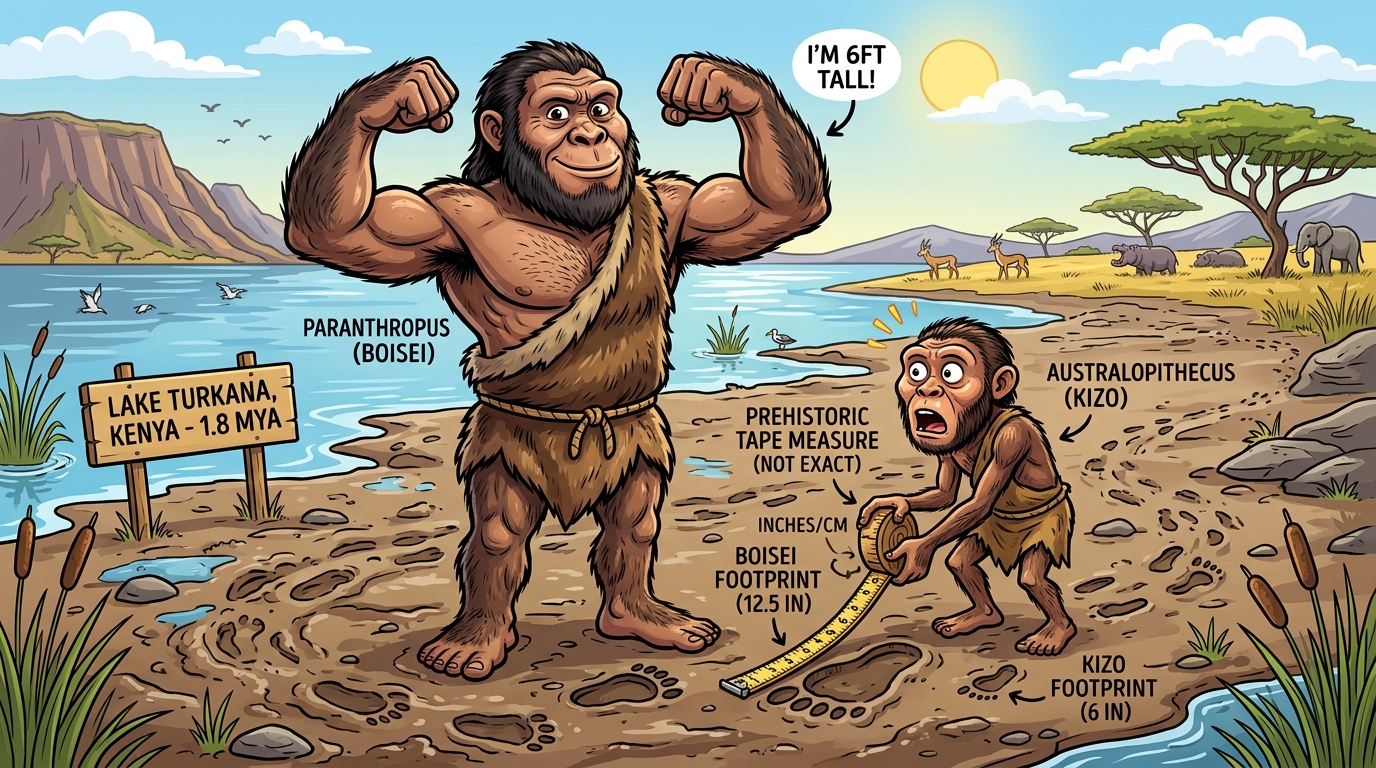
1.4-Million-Year-Old Footprints Reveal 'Nutcracker Man' Was a 6-Foot-Tall Prehistoric Giant
Fossilized footprints along Kenya's Lake Turkana show that Paranthropus boisei grew up to 6 feet tall and weighed 75 kg, shattering the myth that ancient hominins were squat little hobbits.
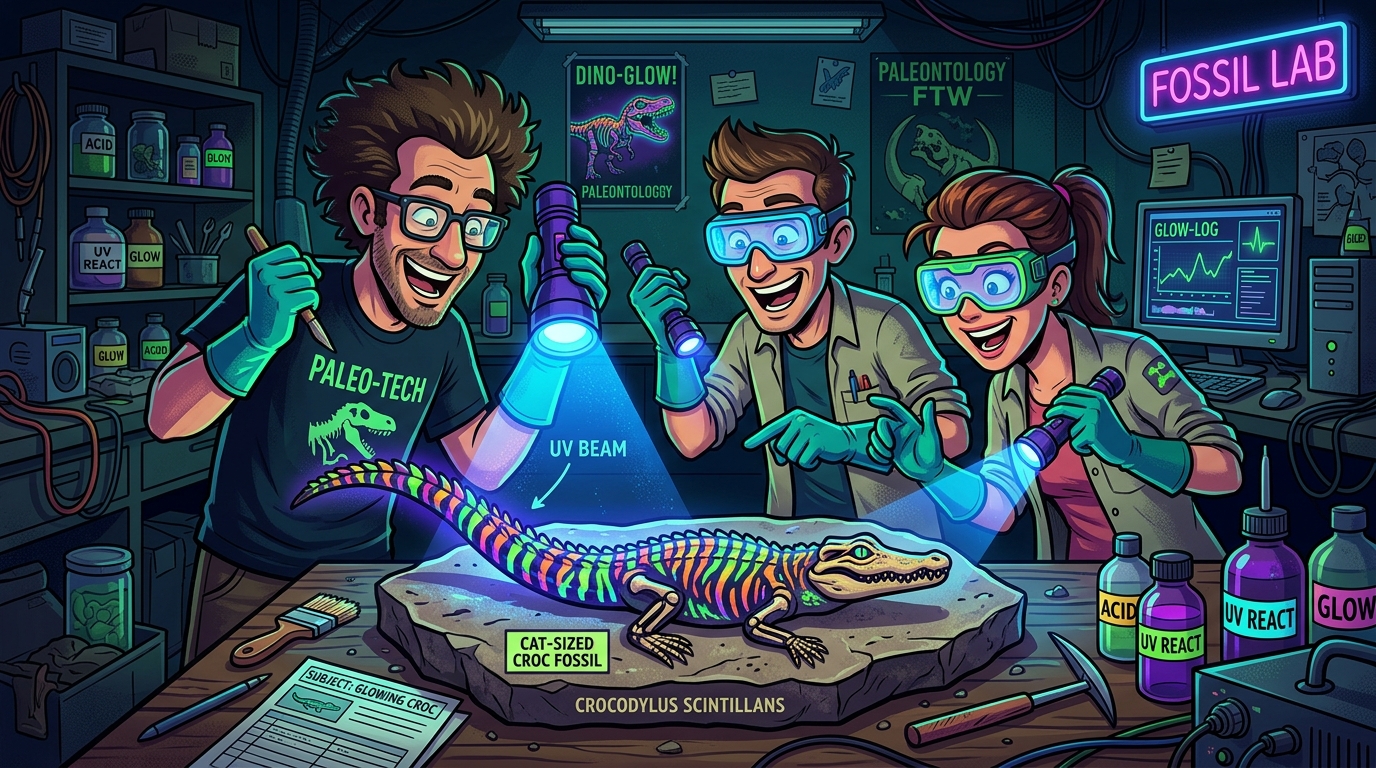
Jurassic Rave Party: UV Blacklight Reveals 125-Million-Year-Old Tiger Stripes on Cat-Sized Fossil Crocodile
Scientists shined an ultraviolet blacklight on a 125-million-year-old Spanish fossil and uncovered prehistoric tail stripes and hidden soft tissues, proving ancient miniature crocodiles rocked disruptive camo fashion long before humans did.
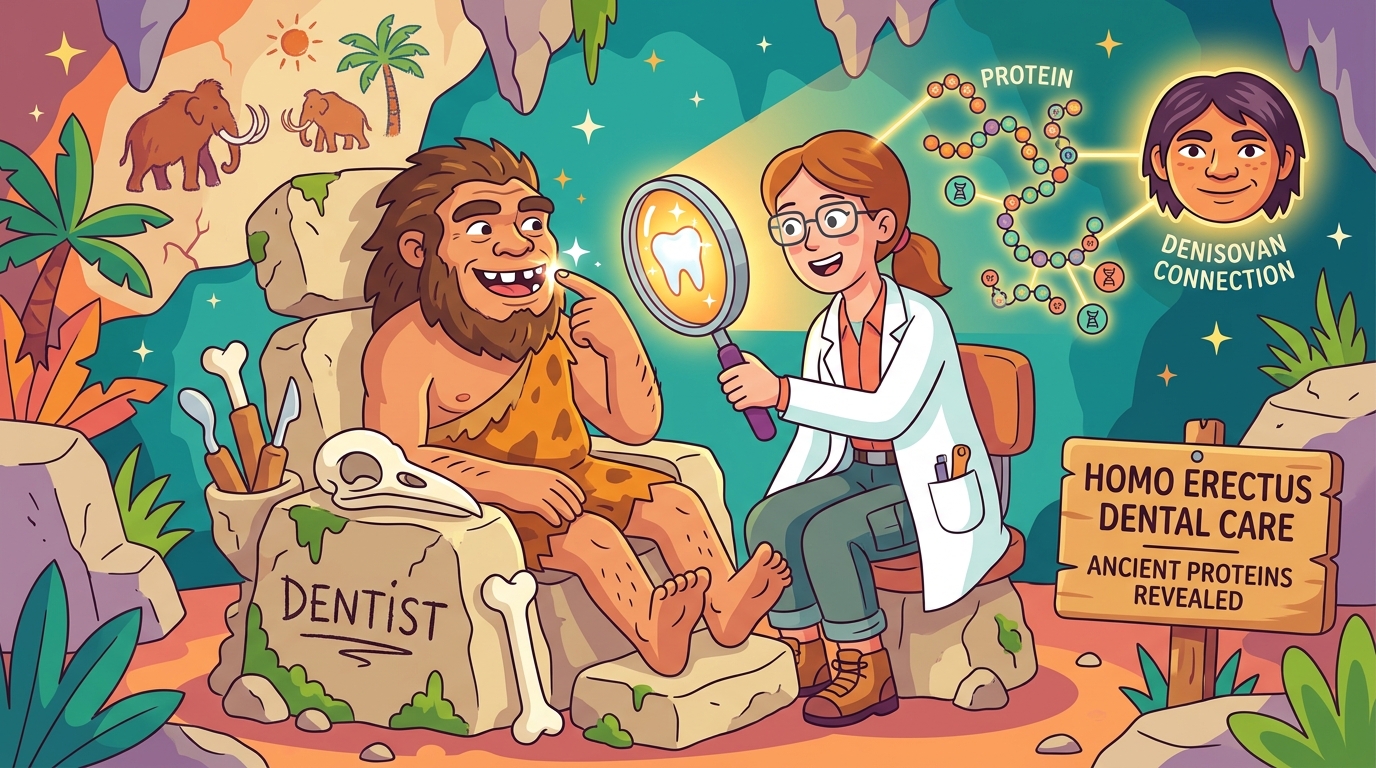
The 400,000-Year-Old Dentist Visit: Ancient Tooth Proteins Link Denisovans to Homo Erectus
By delicately acid-etching 400,000-year-old teeth from China, paleontologists used paleoproteomics to discover a shared genetic mutation connecting Homo erectus directly to Denisovans and modern humans.