Cosmic Cerberus: Astronomers Unmask the Solar System's First 'Three-Headed' Asteroid (44) Nysa and Its Hidden Moon
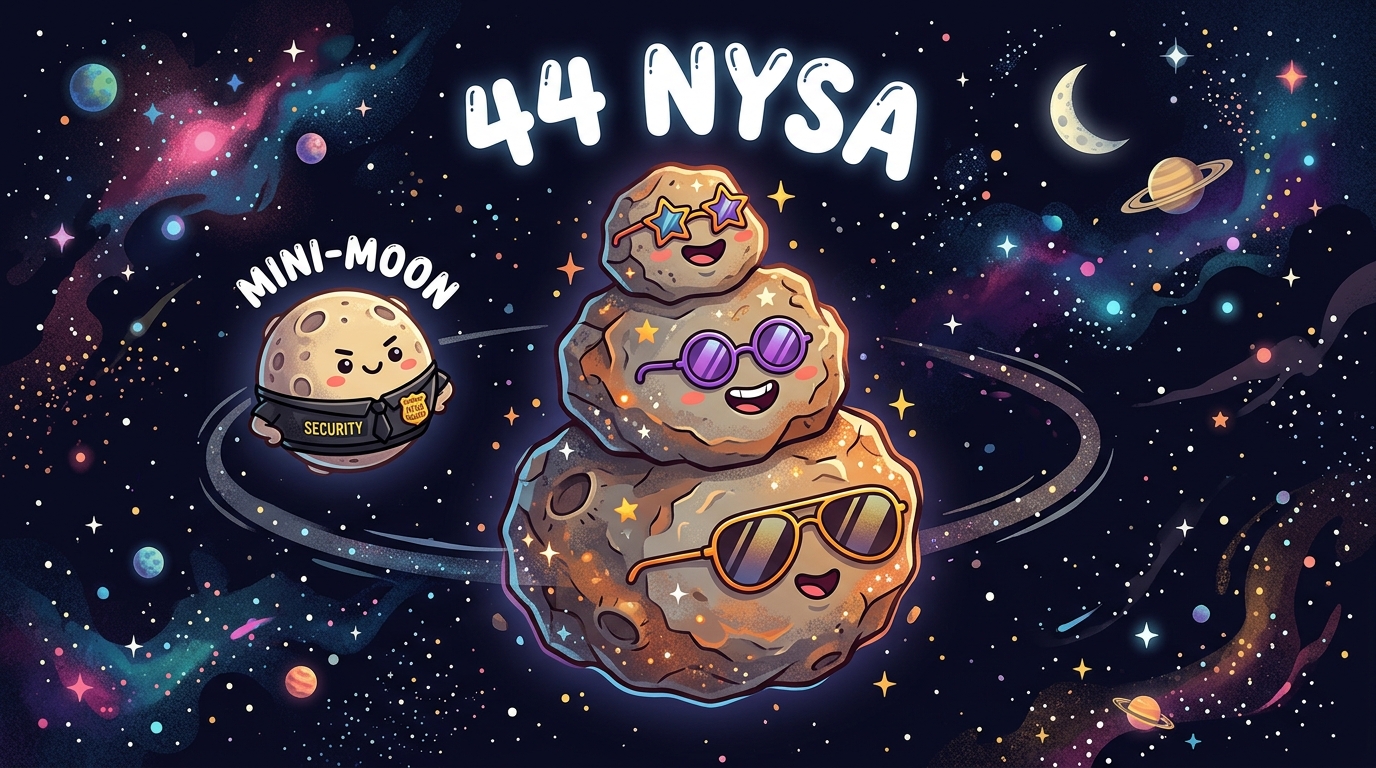
When astronomers look at the main asteroid belt, they usually expect potatoes. Lumpy potatoes, elongated potatoes, occasionally a potato with a dent. But when an international research team pointed two of the world's most powerful optical ground systems at asteroid (44) Nysa, they didn't find a potato. They found a cosmic snowman. Or more accurately: the solar system's very first confirmed "three-headed" trilobate asteroid, cruising through the void with its own 1-kilometer mini-moon bodyguard.
Published in Astronomy & Astrophysics by a team utilizing the SHARK-VIS camera on Arizona's Large Binocular Telescope (LBT) and the SPHERE instrument on ESO's Very Large Telescope (VLT) in Chile, the images bypassed Earth's turbulent atmosphere to achieve near-spacecraft-grade sharpness. Instead of a single rock or a classic two-lobed "peanut" shape, (44) Nysa is composed of three massive boulder-like lobes connected by two slender gravitational necks (colli).
🪐 Anatomy of a Triple-Decker Space Rock
How does an asteroid end up looking like a three-scoop ice cream cone in zero gravity?
- The Trilobate Structure: Spanning over 70 kilometers across, Nysa consists of three distinct geological blocks welded together. It is the first time astronomers have confirmed a "contact trinary" in the asteroid belt.
- The Gentle Cosmic Hug: Rather than a catastrophic high-velocity smashup that would have pulverized all three bodies into rubble, Nysa formed through an impossibly gentle low-velocity kiss—three independent space rocks slowly nudged each other and stuck together like sticky clay.
- The Mini-Moon Bodyguard: Orbiting closely around this triple-headed giant is S/2026 (44) 1, a tiny 1-kilometer moonlet dutifully patrolling the system like a security escort.
Nysa is an E-type asteroid, rich in the rare, reflective mineral enstatite. Because it reflects so much sunlight, it has blinded and deceived astronomical instruments since its discovery by Hermann Goldschmidt back in 1857. For over 160 years, astronomers assumed its strange variations in brightness were caused by weird surface craters or simple elongation. It took ultra-fast adaptive optics correcting atmospheric blur thousands of times per second to finally see the true three-headed beast.
Studying contact binaries—and now contact trinaries—is critical for understanding planetary formation. When our solar system was just a swirling disk of dust and pebbles 4.5 billion years ago, everything grew through gentle collisions just like Nysa. Nysa is literally an intact fossil from the assembly line of planet building.
⛄ "Three Heads, One Moon, Zero Personal Space"
You have to feel a little sympathy for tiny moonlet S/2026 (44) 1. Imagine being hired as a cosmic bodyguard, and your client is a 70-kilometer three-headed rock arguing with itself over which direction to tumble.
As next-generation instruments like SHARK-VIS continue unblurring the heavens, astronomers are finding that the asteroid belt is far less like a gravel quarry and far more like a bizarre modern sculpture park.
You might also like
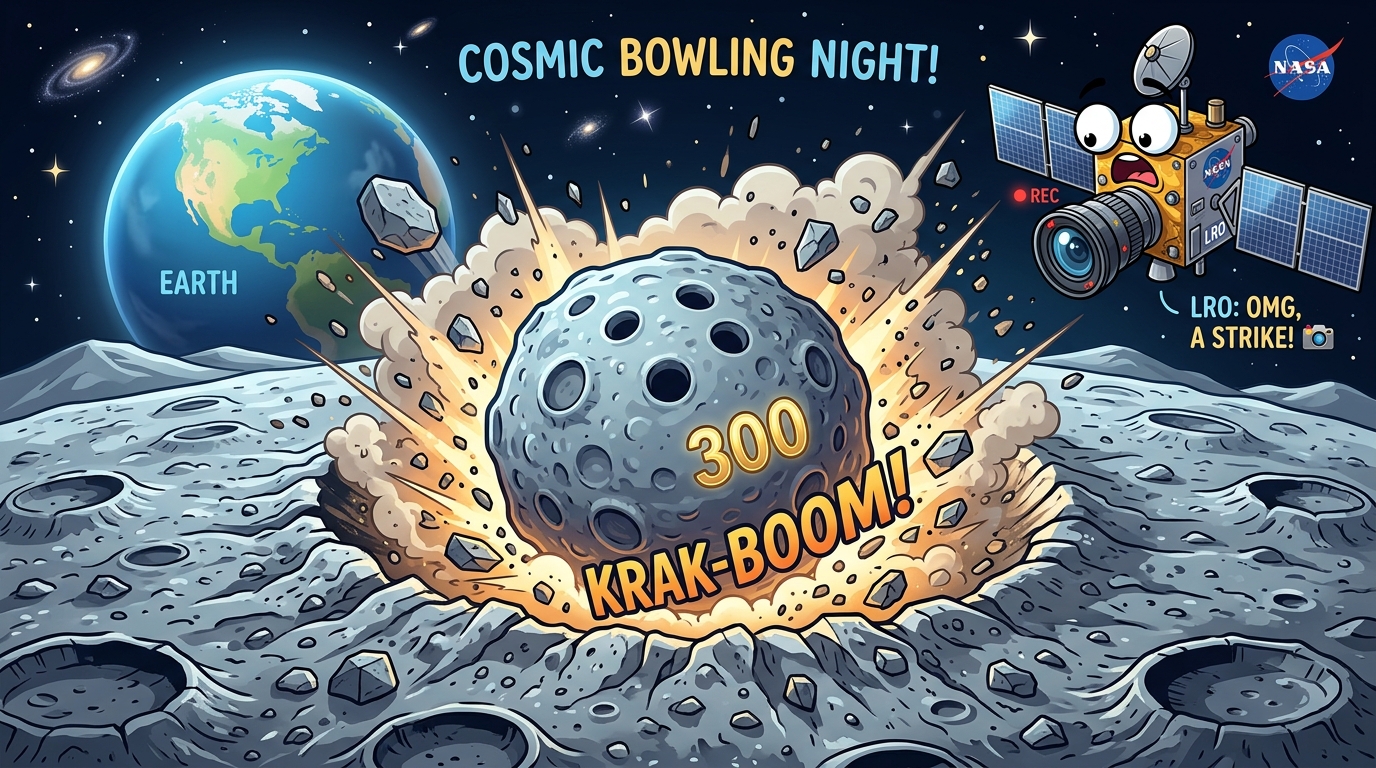
Cosmic Strike! A Building-Sized Asteroid Just Punched the Largest Fresh Crater on the Moon in a Century
NASA’s Lunar Reconnaissance Orbiter caught 'McGetchin,' a monstrous 728-foot impact crater blasted open by a space rock the size of a six-story apartment building—chilling 4 miles of lunar soil by 16 degrees.
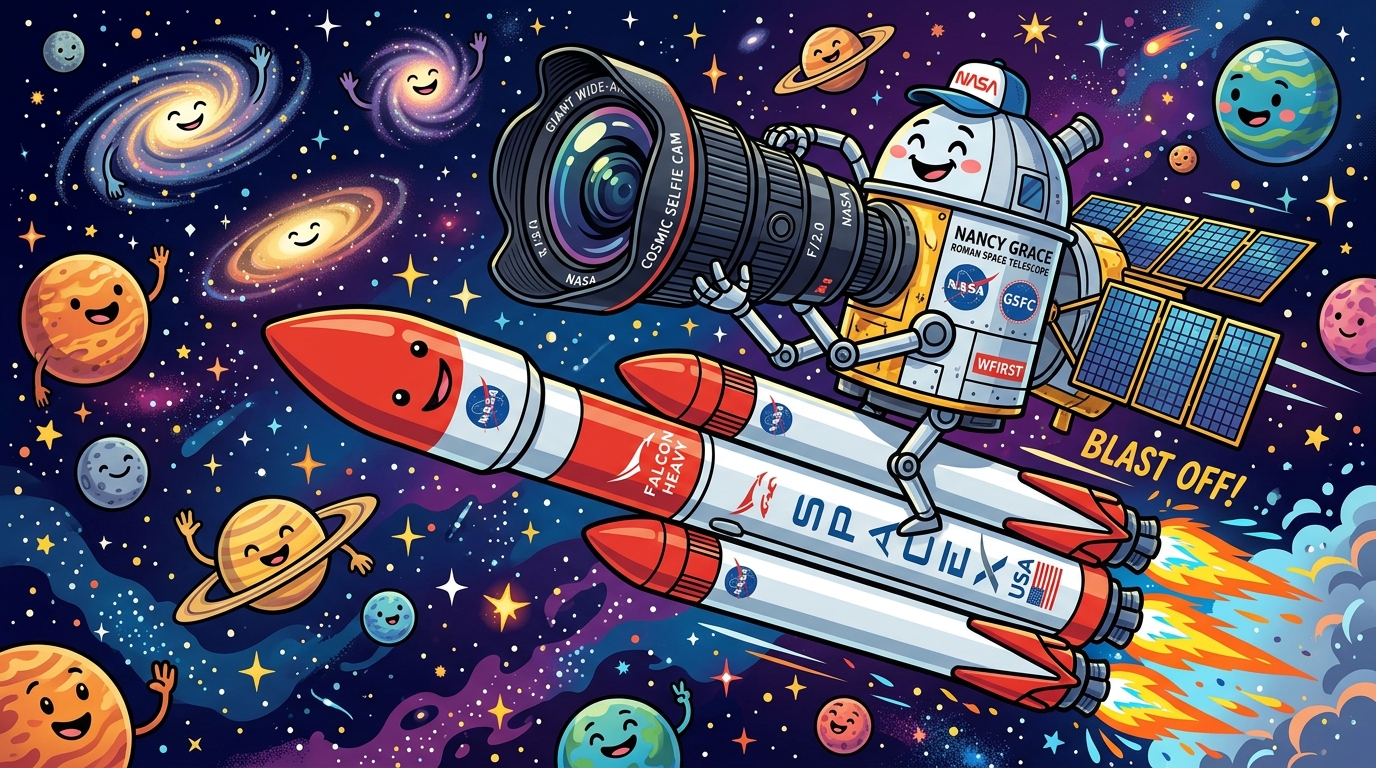
NASA's Nancy Grace Roman Space Telescope Blasts Off on Falcon Heavy to Map the Dark Universe
NASA's next flagship observatory launched on a SpaceX Falcon Heavy with a panoramic field of view 100x larger than Hubble, heading 1.5 million kilometers to L2 to hunt rogue planets and dark energy.
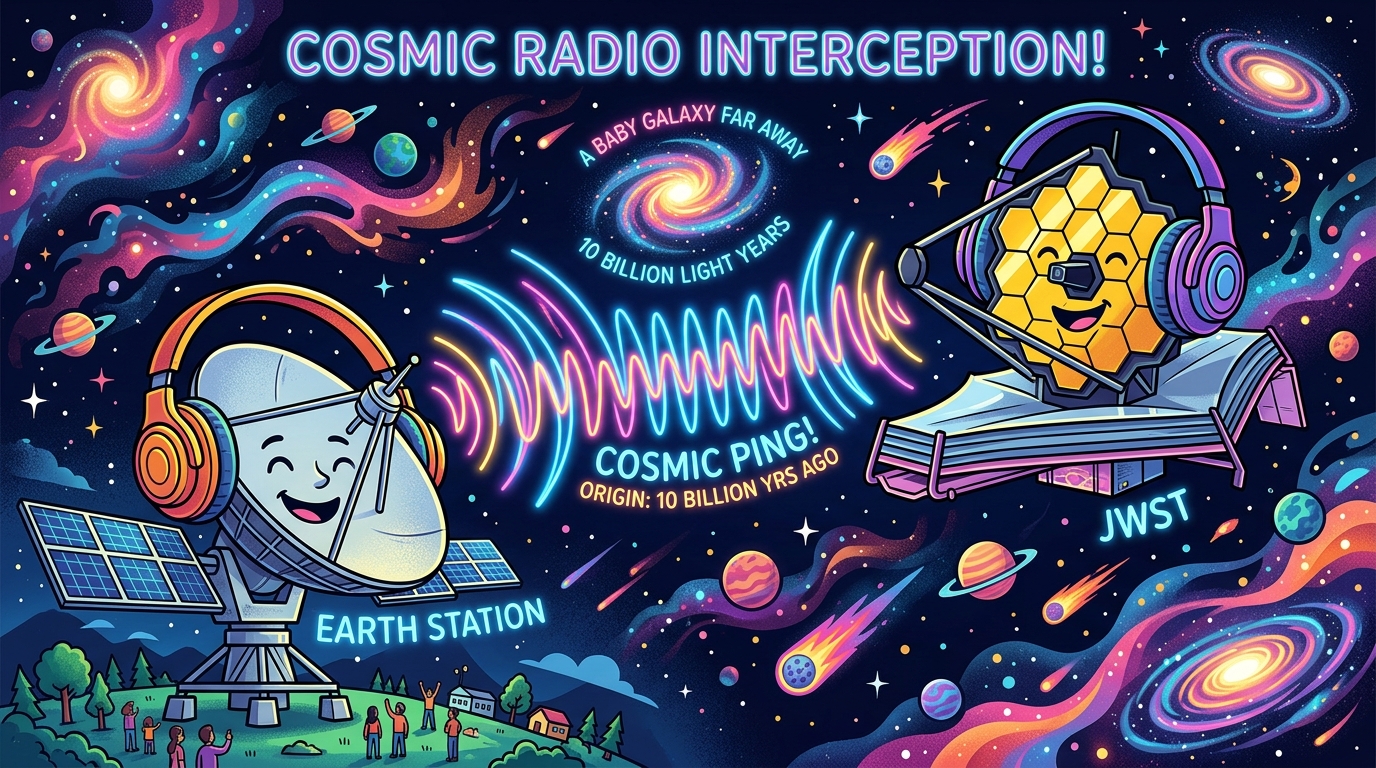
The 10-Billion-Year-Old Voicemail: Webb and MeerKAT Catch the Most Distant Radio Flash in Cosmic History
Astronomers have detected FRB 20240304B, a fast radio burst that traveled over 10 billion years across the universe, shattering cosmic distance records and proving ancient baby galaxies loved loud fireworks.