Prehistoric Date Night: 567-Million-Year-Old Canadian Fossils Push Back the Dawn of Animal Movement and Sex
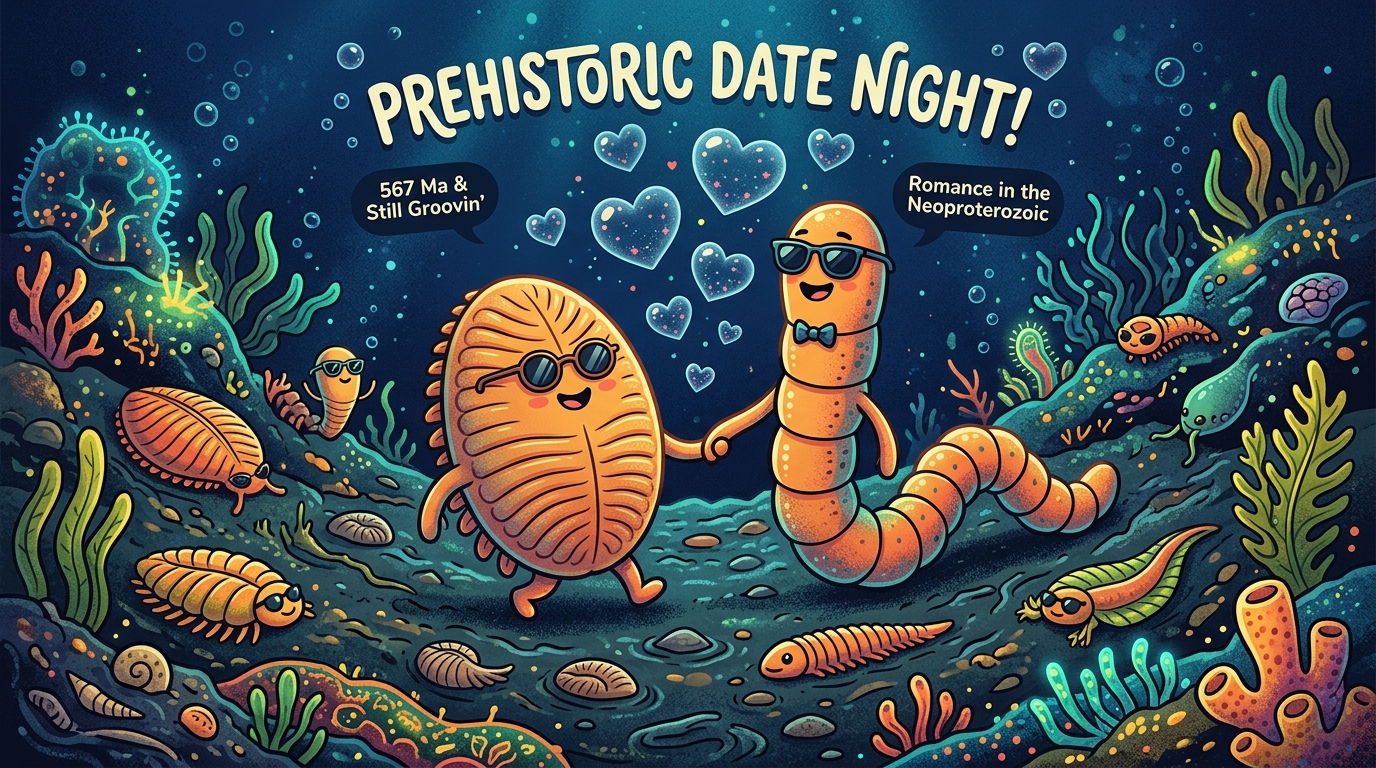
Before there were lions hunting gazelles, birds singing in the canopy, or humans writing cheesy romance novels, the Earth was ruled by bizarre, squishy sea creatures known as the Ediacaran biota—quilted living doormats, tubular fronds, and segmented discs that looked more like alien bath mats than animals. For decades, evolutionary biologists assumed these ancient organisms just sat there like decorative sea vegetables. But a game-changing fossil discovery high in the Canadian wilderness just revealed that complex animal nightlife—specifically crawling around and having sexual reproduction—kicked off up to 10 million years earlier than science ever recorded!
Published in Science Advances by researchers from the American Museum of Natural History (AMNH) and Dartmouth College, the team unearthed an extraordinary cache of over 100 well-preserved fossils in the Mackenzie Mountains of Canada's Northwest Territories, on the traditional lands of the Sahtú Dene and Métis. Dating to an astounding 567 million years ago, these rock layers belong to the lower Blueflower Formation.
🌊 What Happened at 567 Million BCE?
Here is how these Canadian fossils rewrite the earliest chapters of animal behavior:
- Crawling on the Seafloor: The researchers identified fossil specimens of Dickinsonia—a quilted oval organism—along with distinctive trace trackways showing it physically dragged its soft body across the microbial seabed to feed, proving intentional locomotion was already in full swing.
- The Dawn of Romance: Specimens of Funisia dorothea, an upright tubular organism, were found growing in dense, clustered cohorts of identical age and size—a smoking-gun ecological pattern indicative of synchronized sexual spawning events.
- 10 Million Years Earlier: These complex behaviors were previously believed to have evolved around 558 to 555 million years ago. This discovery pushes the timeline back by 5 to 10 million years.
- The Deep-Sea Revolution: Textbook biology long claimed complex macroscopic animals first evolved in sunlit, shallow coastal shelves. The Canadian geology proves these creatures were thriving in cold, deep, offshore waters far beneath the reach of storm waves.
The evolution of movement and sexual reproduction represent two of the most critical transitions in the history of life on Earth. Before movement, you had to wait for food to bump into you. After movement, you could go hunt it down. And before sex, organisms were largely stuck cloning themselves; sexual reproduction unlocked rapid genetic variation that turbocharged evolutionary adaptation.
Finding both innovations thriving half a billion years ago in deep offshore Canadian mud completely flips the script on where and how animals diversified. Rather than a leisurely coastal stroll, the dawn of animal complexity was an offshore deep-sea revolution.
🪱 "Netflix and Chill in the Neoproterozoic"
Just think about it: 567 million years ago, in the pitch-black abyss of an ancient Canadian ocean, a pancake-shaped Dickinsonia wiggled its segments toward a cluster of Funisia tubes, essentially inventing the universe's first weekend date night. We owe everything to those adventurous mud crawlers.
As paleontologists continue splitting open slabs of slate in the Mackenzie Mountains, one thing is certain: our ancient ancestors were far more active, mobile, and romantic than the fossil record previously gave them credit for.
You might also like
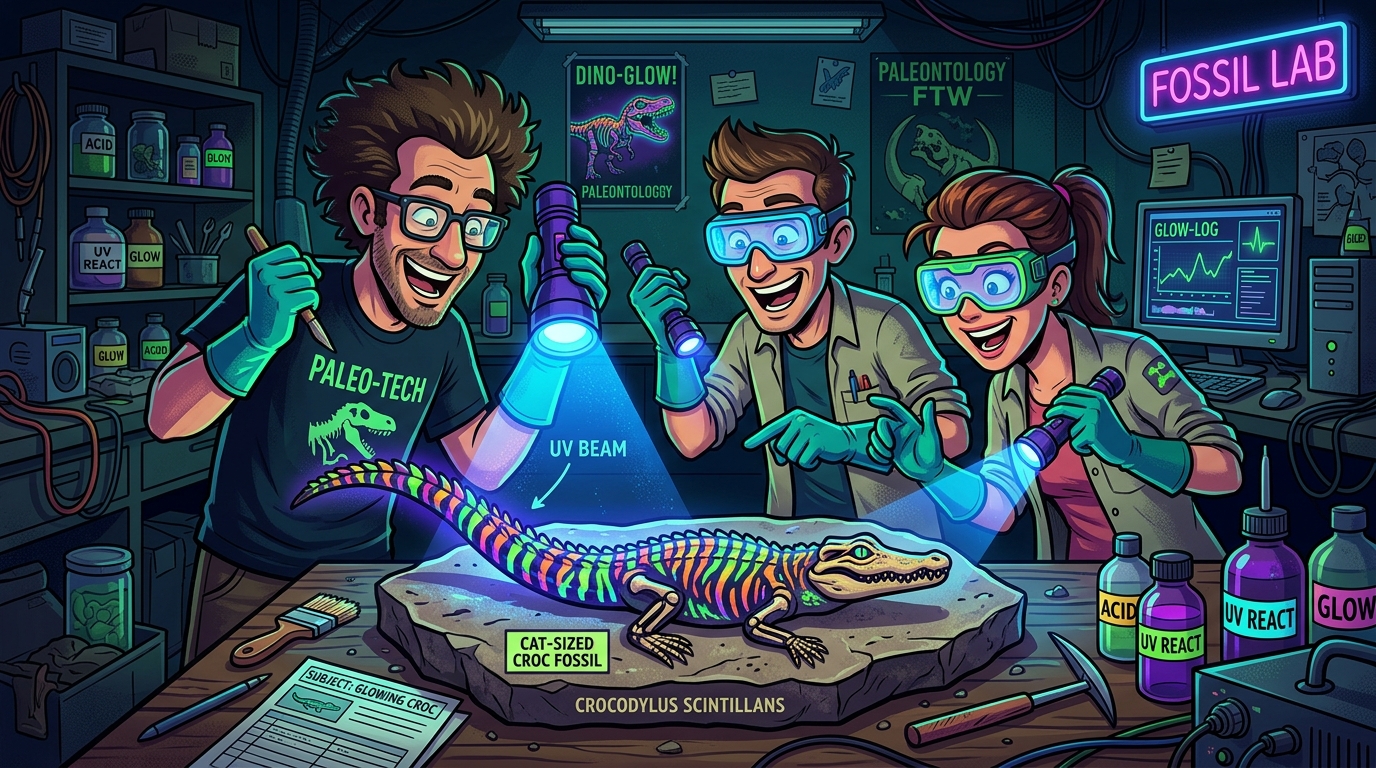
Jurassic Rave Party: UV Blacklight Reveals 125-Million-Year-Old Tiger Stripes on Cat-Sized Fossil Crocodile
Scientists shined an ultraviolet blacklight on a 125-million-year-old Spanish fossil and uncovered prehistoric tail stripes and hidden soft tissues, proving ancient miniature crocodiles rocked disruptive camo fashion long before humans did.
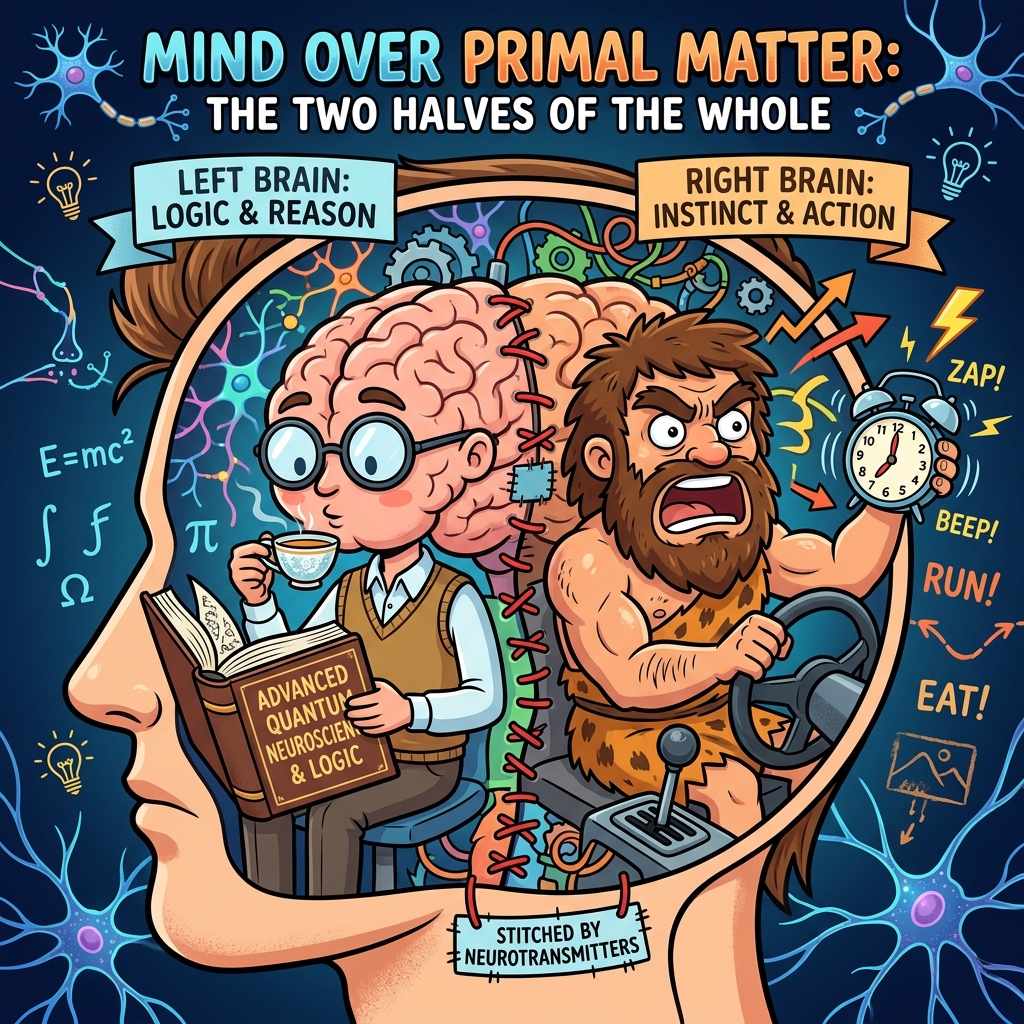
Textbooks Were Wrong: Your Brain Is Actually Two Separate Organs Glued Together
A groundbreaking Stanford Medicine study published in Nature Neuroscience revealed that the human brain isn't a single master organ. It's actually two ancient nervous systems from totally different evolutionary origins that fused together like reluctant biological roommates.
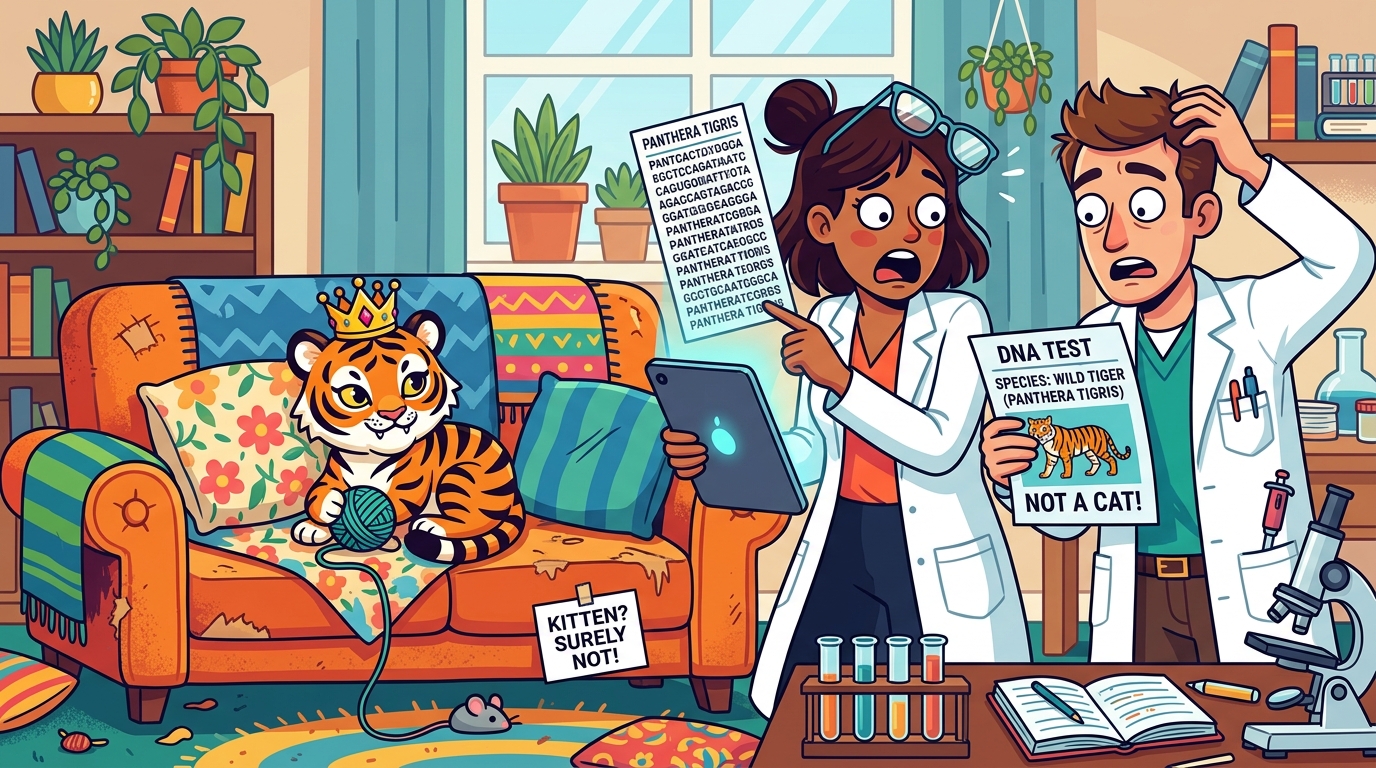
Meet the Tilcayo: The First New Wild Cat Species in 100 Years Was Hiding as a House Pet
A Bolivian family adopted what they thought was an energetic stray kitten named Tigrino. DNA testing just revealed he belongs to Leopardus tilcayo—a 3-pound jungle carnivore, a 1.4-million-year-old evolutionary branch, and the first new living cat species discovered in over a century.