Red Eyes, Three Lips, and Superdads: Meet the Bizarre New Sea Spiders of the Salish Sea
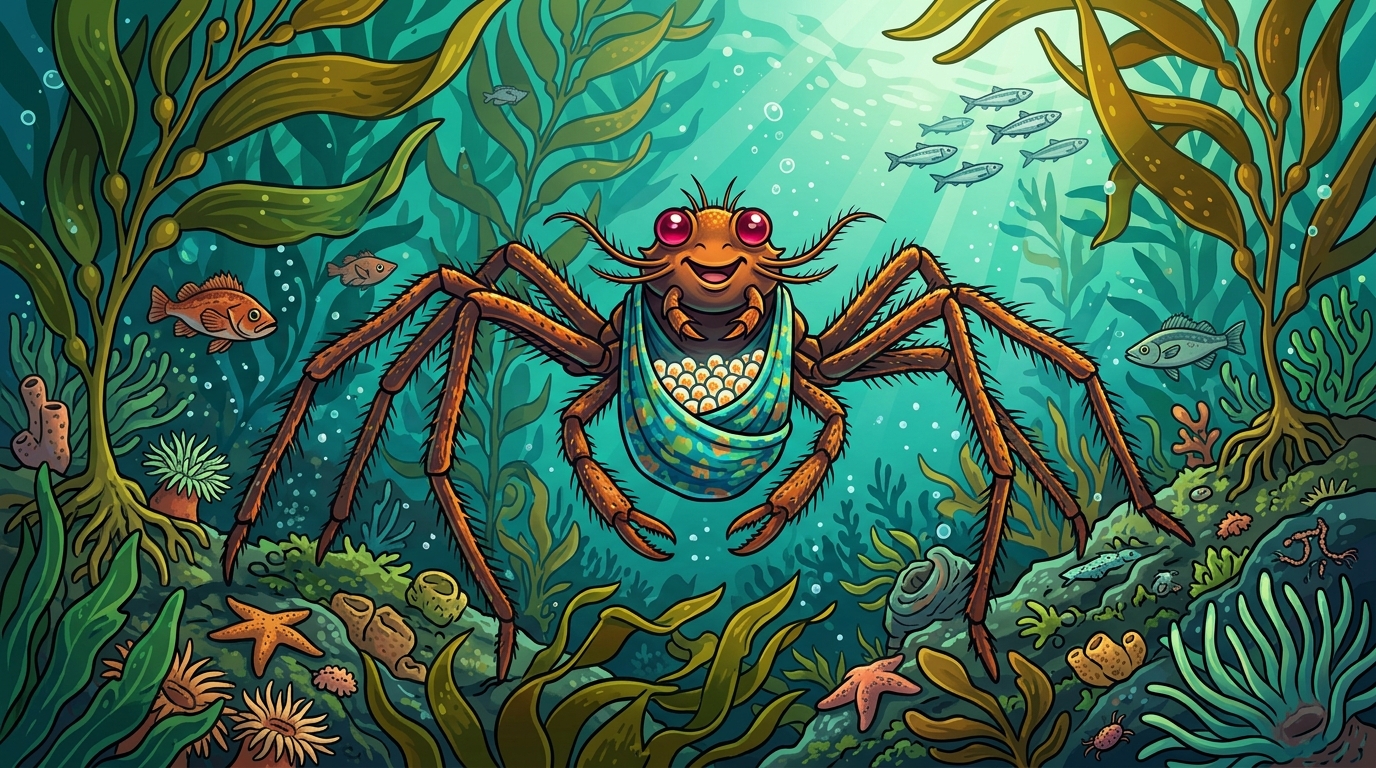
Just when you thought the Pacific Northwest ocean had run out of ways to surprise us, marine biologists went scuba diving off the coast of British Columbia and introduced the world to an animal that sounds like it was generated by a late-night science fiction prompt: a hairy-legged sea spider with ruby red eyes, a three-lipped mouth, and stay-at-home dads who carry hundreds of babies.
In a study published in Organisms Diversity & Evolution, a research team led by University of British Columbia zoologist Cormac Toler-Scott identified two brand-new species of sea spiders (pycnogonids) lurking in the shallow kelp forests of the Salish Sea. It marks the first time in nearly a century that new species of these alien-like marine arthropods have been formally documented in Canadian coastal waters.
🦀 Callipallene Pilosuspedes: Nature's Gothic Marvel
The star of the discovery, Callipallene pilosuspedes (Latin for "hairy feet"), looks like something out of an eccentric folklore book:
- The Gothic Aesthetic: It sports striking ruby-red eyes perched atop its head and long, curved spines lining its walking legs, giving it a stylishly fuzzy, velvet-punk appearance.
- Three-Lipped Snout: Instead of traditional jaws or mandibles, its mouth consists of three flexible, muscular lips ringed with sensory tentacles, perfectly engineered to vacuum up soft-bodied marine snacks.
- Breathing Through Bare Skin: Sea spiders don't have lungs or gills; their bodies are so slender that oxygen diffuses directly through their thin exoskeletons, while their gut muscles actually pump blood through their legs.
The expedition also brought to light a second species, Tanystylum kiixin—named in honor of an ancient Indigenous Nuu-chah-nulth village site near Bamfield on Vancouver Island. While T. kiixin prefers a chunkier, less nimble silhouette, researchers found that each specimen acts as a miniature walking metropolitan area, playing host to thriving micro-colonies of marine parasites and hydroids.
🍼 Stay-at-Home Superdads of the Deep
While sea spiders might look like something from a haunted reef, their parenting culture is pure modern enlightenment:
- Dedicated Paternal Care: In the sea spider world, mothers drop off the fertilized eggs and immediately clock out. The fathers take full custody of the brood.
- Specialized "Oviger" Limbs: Male sea spiders possess a customized pair of leg-like appendages called ovigers, designed exclusively to gather, groom, and carry dense clusters of eggs under their bellies.
- Full-Time Toddler Transit: The dedicated dad totes the growing eggs everywhere through ocean currents, relentlessly aerating and cleaning them until every last baby spider hatches into the kelp canopy.
Finding two previously unknown species in waters right off busy urban centers like Vancouver and Victoria is a humbling reminder that Earth’s oceans still conceal magnificent secrets right under our scuba fins. And honestly? Between the glowing red eyes and the world-class paternal devotion, Callipallene pilosuspedes might just be the most wholesome gothic creature in the sea.
You might also like
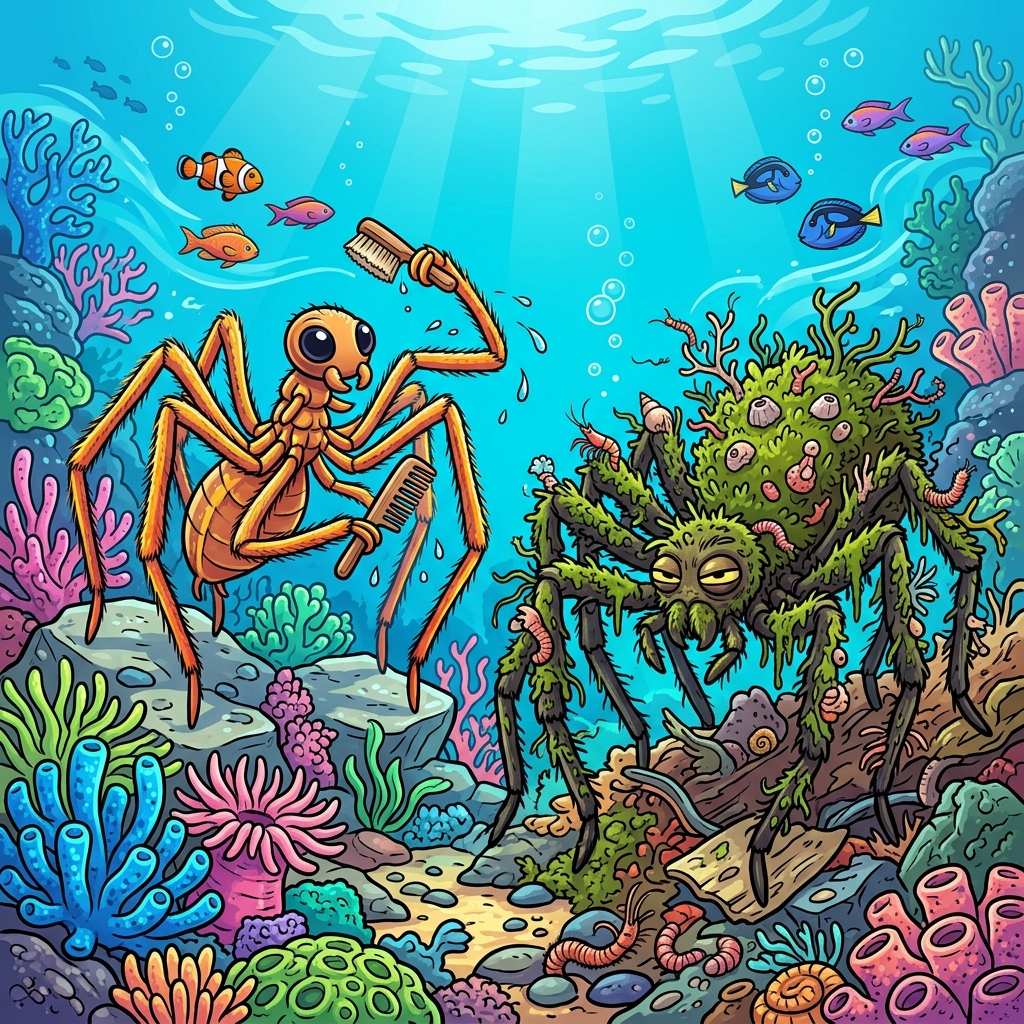
Meet the Ocean's New Odd Couple: One Sea Spider Goes to the Spa, the Other Lives as a Walking Compost Heap
Marine biologists in Canada have discovered two new species of sea spiders in the Salish Sea for the first time in a century: one obsessively combs its hairy legs with specialized appendages, while its clumsy cousin is too short to groom and hosts a parasitic flea market on its back.
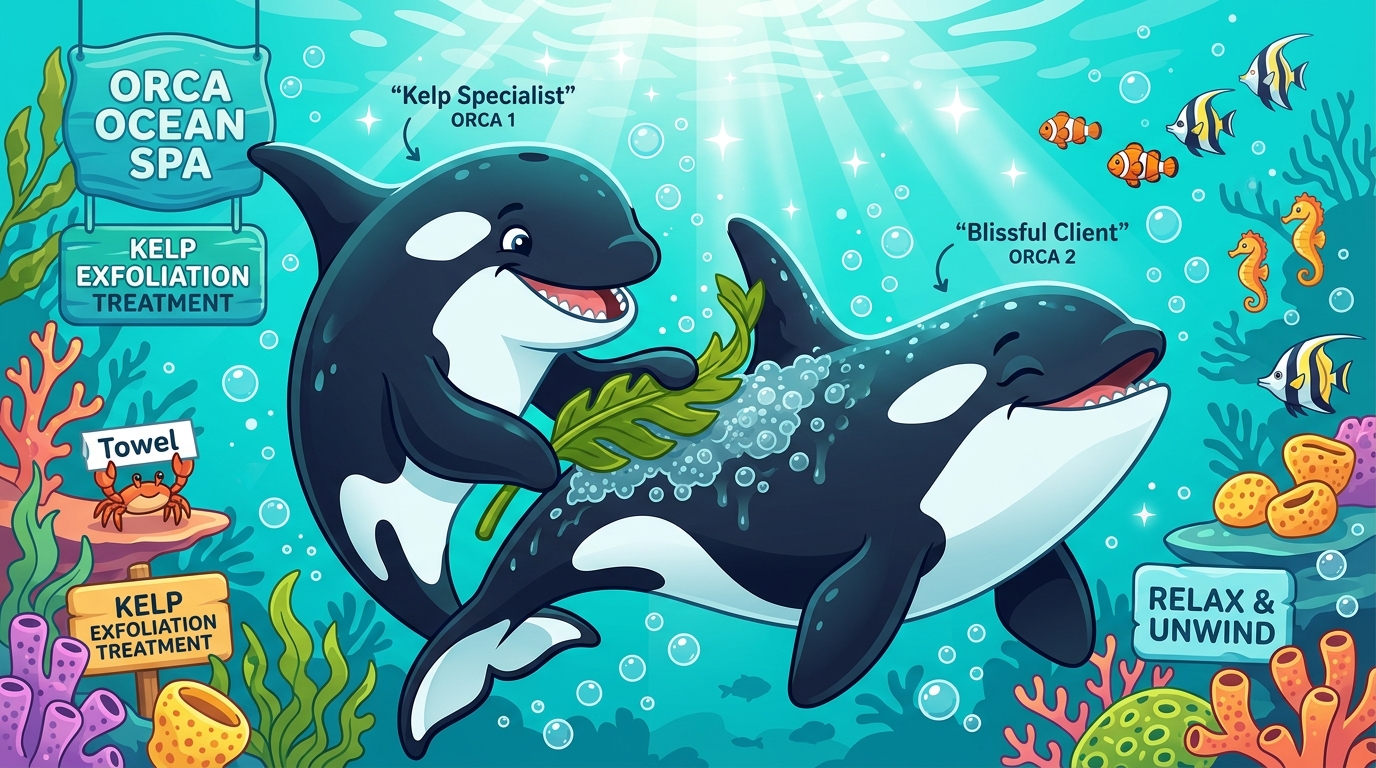
Orcas Invent Underwater Day Spas: Killer Whales Caught Manufacturing Kelp Loofahs
Scientists analyzing drone footage discovered that wild killer whales in the Salish Sea chop bull kelp to custom lengths and roll it between their bodies for mutual exfoliation—marking the first known tool-making in marine mammals.
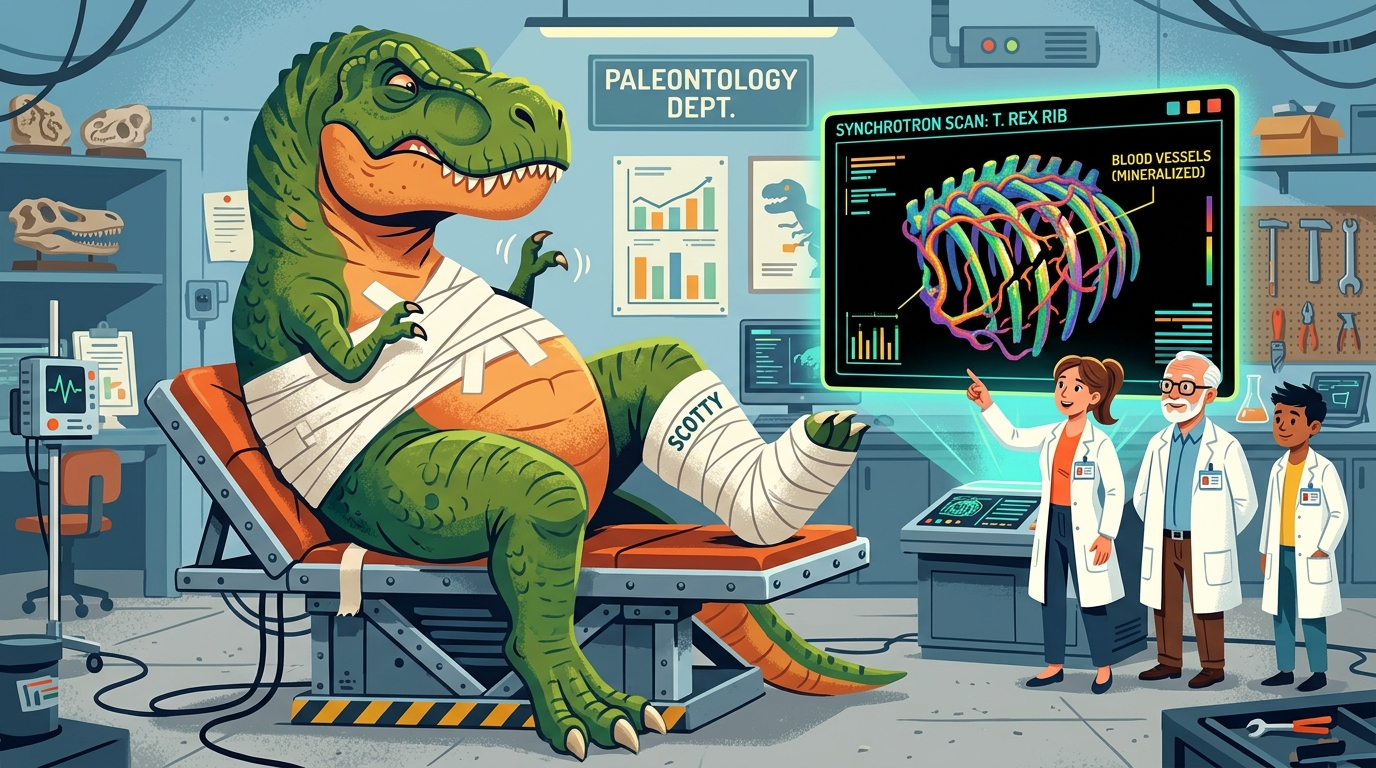
Even a 9-Ton T. Rex Needed Sick Days: 66-Million-Year-Old Blood Vessels Found in Broken Bone
Canadian physicists used particle accelerators to inspect the broken rib of Scotty—the world's largest Tyrannosaurus rex—and discovered 3D mineralized blood vessels that were actively nursing the apex predator back to health.