Ice Hot Enough to Melt Steel: How Physicists Recreated the Electric Slush of Uranus and Neptune
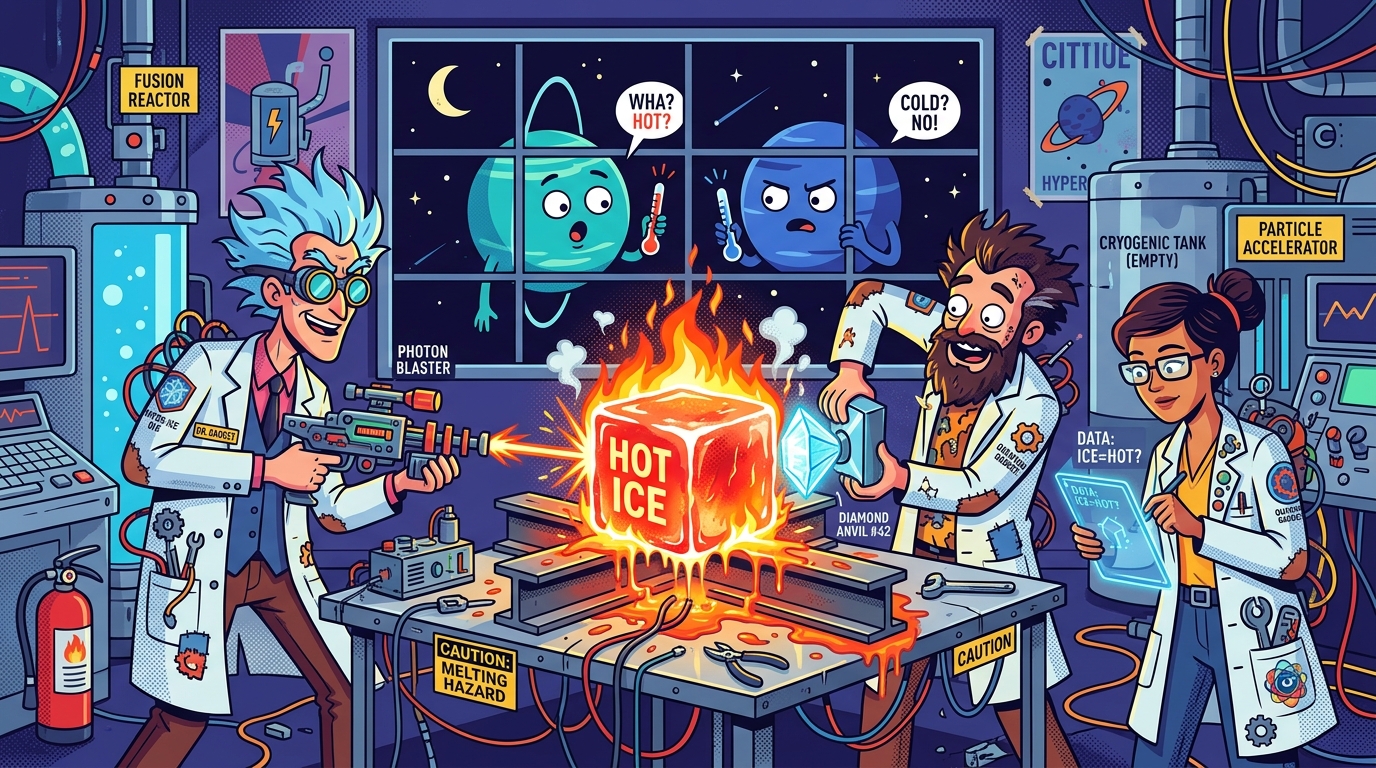
If you toss an ice cube onto a hot kitchen skillet, it gently hisses, surrenders its structural integrity, and evaporates into harmless steam. But if you take that same ice cube, crush it with the weight of two million Earth atmospheres, and blast it with industrial lasers, it does something entirely unhinged: it turns into a glowing, electrically charged crystal hot enough to liquefy an iron girder.
In a breakthrough study published in Physical Review Letters, a research team led by physicist Alexis Forestier at the French Alternative Energies and Atomic Energy Commission (CEA) and the European Synchrotron Radiation Facility (ESRF) has officially produced superionic hexagonal close-packed (hcp) ice in a laboratory. Forget everything your elementary school teacher told you about the three phases of matter—this exotic state of water laughs in the face of classical thermodynamics.
💎 The Diamond Pressure Cooker
How do you coax ordinary tap water into behaving like an alien mineral? You put it through absolute purgatory:
- The Crushing Grip: Researchers squeezed microscopic water droplets between the ultra-hard tips of two gem-grade diamond anvils, ramping the pressure past 200 gigapascals—more than 2,000,000 times atmospheric pressure at sea level.
- Laser Inferno: Simultaneously, short infrared laser pulses blasted the sample to temperatures exceeding 1,800 Kelvin (1,527°C / 2,780°F)—well past the temperature where structural steel gives up and melts into liquid soup.
- The Synchrotron X-ray Snapshot: Using the ultra-bright X-ray beams of the ESRF synchrotron, the team captured the exact moment water molecules tore themselves apart and reassembled into the long-predicted "hcp" superionic lattice.
Under these terrifying conditions, water ceases to be H₂O in any conventional sense. The bulky oxygen atoms freeze solidly in place, forming a rigid, hexagonal crystalline skeleton. Meanwhile, the lightweight hydrogen nuclei (bare protons) completely detach from their chemical bonds and begin swimming freely through the oxygen cage like an agitated swarm of charged bees.
The result is a bizarre hybrid: a substance that is mechanically solid, chemically fluid, and electrically conductive like a metal wire. If you tried to scoop it with an ice cream spoon, it would behave like a hard rock, conduct electricity like a battery cable, and burn through your spoon in a fraction of a millisecond.
🪐 Why Uranus and Neptune Are Total Frauds
This laboratory feat isn't just about showing off fancy lasers; it solves an astronomical puzzle that has stumped planetary geologists for decades:
- Not So Frosty After All: Astronomy posters love depicting Uranus and Neptune as calm, serene "Ice Giants"—subtle blue globes floating in peaceful cryogenic slumber.
- The Slush Dynamo: In reality, deep beneath their outer methane atmospheres lie vast, churning oceans of this glowing, conductive superionic hcp ice slush.
- Wobbly Magnetic Fields: Because the protons flow freely like a liquid metal inside the solid oxygen mantle, churning convective currents generate Uranus and Neptune's notoriously tilted, off-center, and multi-polar magnetic fields.
So the next time someone describes Neptune as a frozen cosmic ice palace straight out of Frozen, remind them that its deep interior is actually a 2-million-atmosphere pressure cooker of glowing, proton-spewing electric ice that melts steel for breakfast.
You might also like
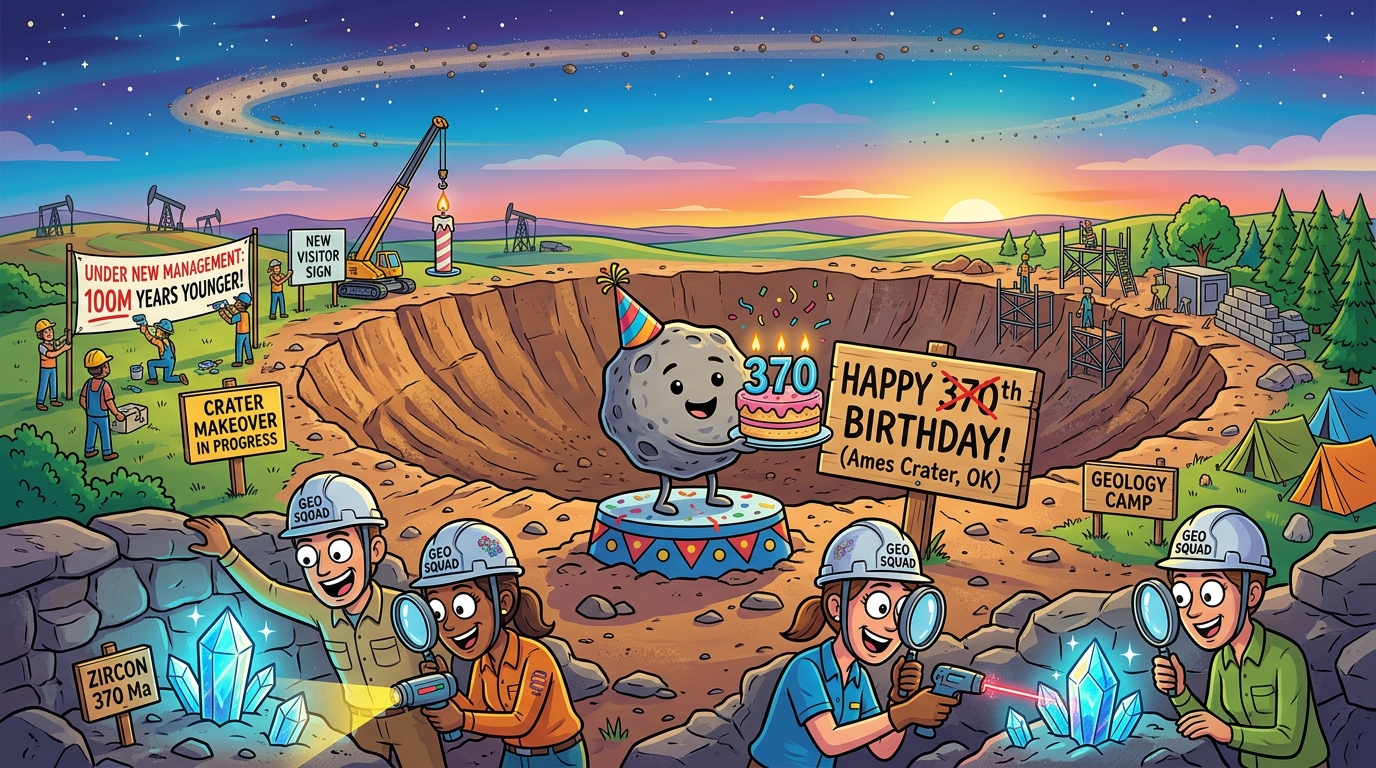
Oklahoma's Ames Meteor Crater Knocked 100 Million Years Off Its Age After Getting Caught With Recycled Fossils
High-precision uranium-lead zircon dating reveals Oklahoma's Ames impact crater was formed 370 million years ago—nearly 100 million years later than believed—kicking it out of Earth's hypothetical Saturn-ring club.
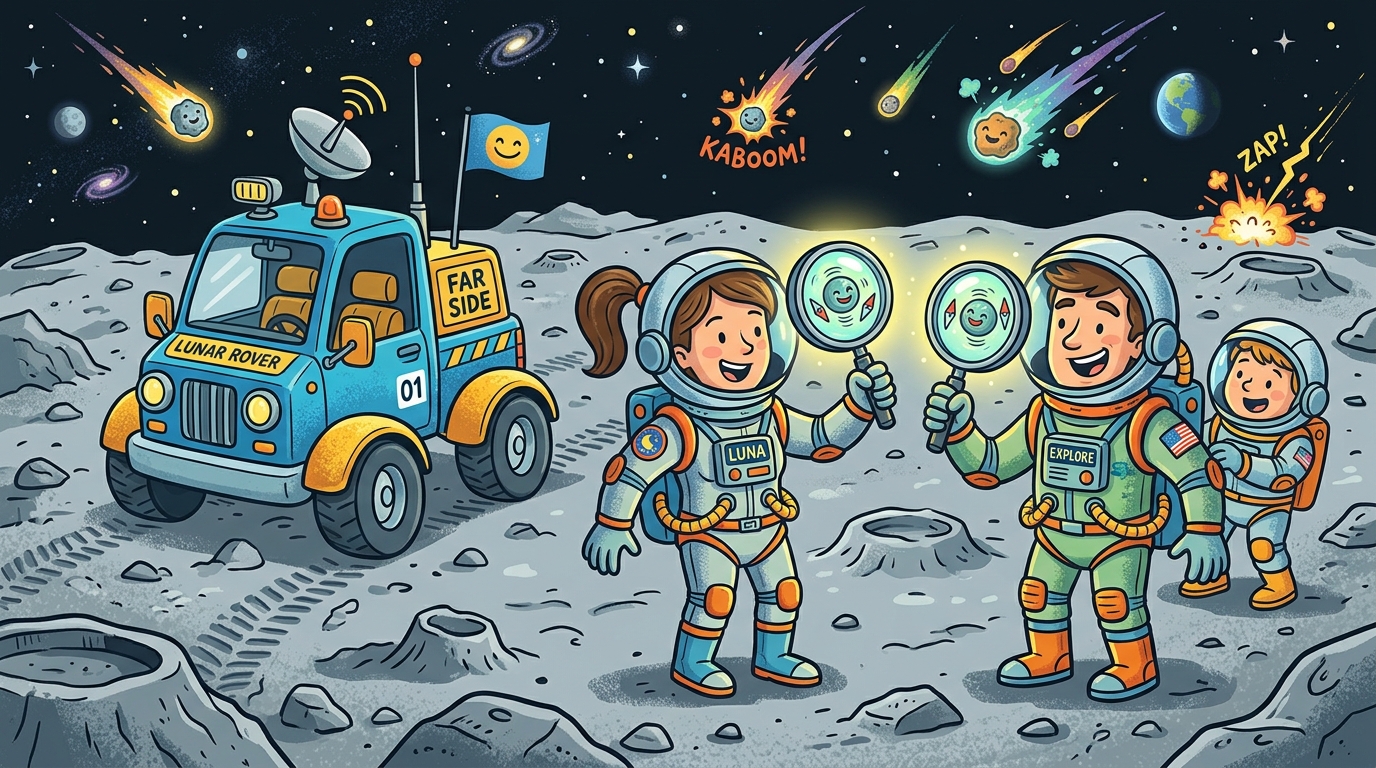
The Moon's Far Side Preserved 1,000°C Magnetic Hard Drives in Natural Glass Beads
Scientists analyzing Chang'e-6 lunar soil discovered rare high-temperature gamma-iron trapped inside impact glass beads, creating microscopic magnetic fossils that remember the Moon's ancient dynamo.
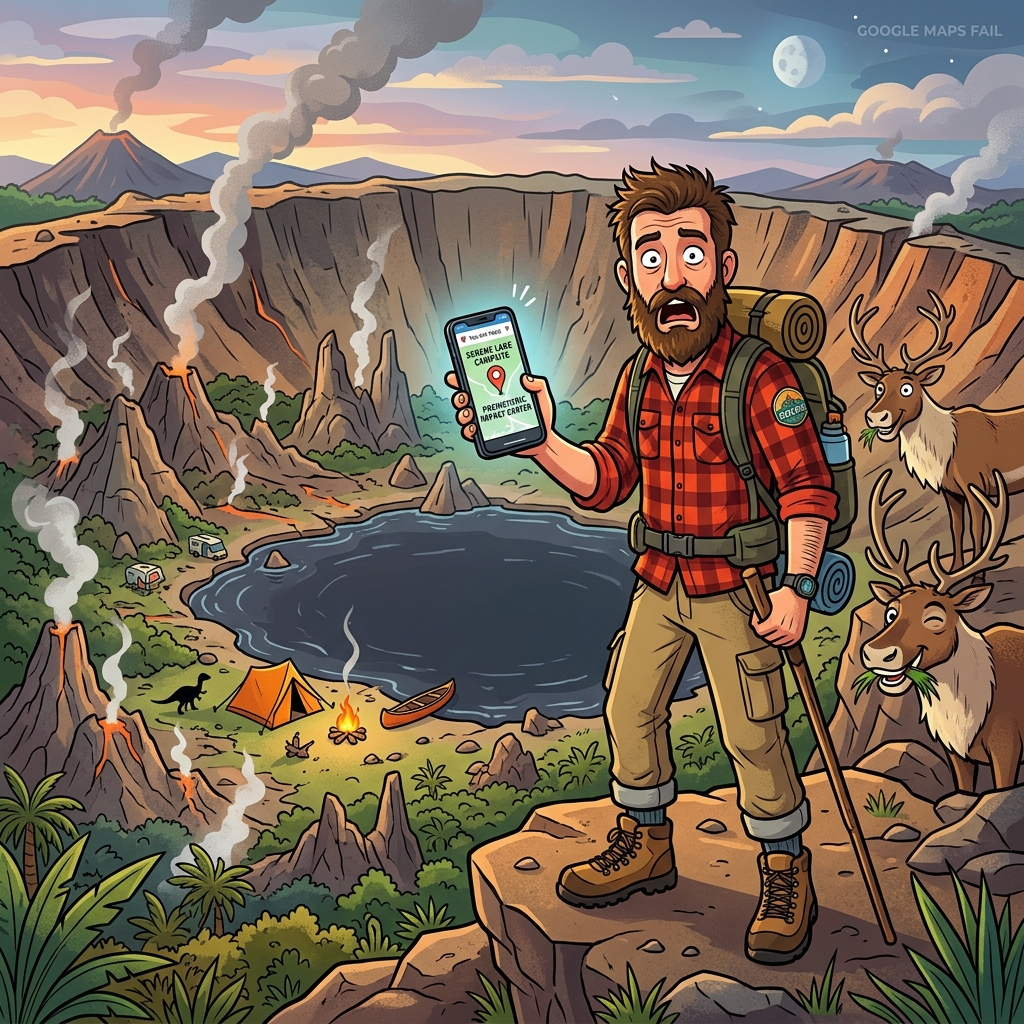
When You Try to Pick a Peaceful Campsite on Google Maps and Stumble into a 390-Million-Year-Old Asteroid Impact
A Canadian camper scouting for quiet vacation spots on Google Maps accidentally discovered a massive 25-kilometer Devonian meteor crater in Quebec, proving that space rocks make great holiday destinations.