CRISPR Sneezeless Puppies: Can Gene Editing Finally Fix Dog Allergies?

For millions of dog lovers trapped in a lifelong toxic relationship with Claritin and tissue boxes, science might have just fetched the ultimate solution.
Biotech startup Kindred Companion Sciences recently revealed in The CRISPR Journal that they used gene-editing technology to disable the Can f 1 gene in Beagle puppies. The result? Puppies whose dander and saliva lack the primary protein trigger responsible for dog allergies in humans.
🐶 High-EQ Science Translation:
Instead of trying to breed low-shedding dogs (who still produce allergy proteins anyway), scientists edited the software of the puppy itself to stop printing the allergen at the source code level.
Why Doodle Breeds Were a Lie
For years, people believed "doodle" breeds were 100% hypoallergenic. Spoiler alert: they aren't! All dogs produce dander, saliva, and urine containing the Can f 1 protein regardless of how curly their coat is. Kindred Companion Sciences bypassed the fur debate entirely and targeted the exact allergen gene using CRISPR-Cas9.
Can You Buy One Yet?
Not so fast! The puppies (named Alfie and Bailey) are currently investigational research subjects and remain unapproved for commercial sale by regulators. It will take years of long-term health monitoring and regulatory approvals before sneezeless puppies land in your living room.
You might also like

Scientists 3D-Print AI-Designed Killer Viruses to Hunt Down Superbugs
Stanford and Broad Institute researchers used generative biological AI to design synthetic bacteriophages from scratch, successfully assassinating antibiotic-resistant E. coli in the lab.
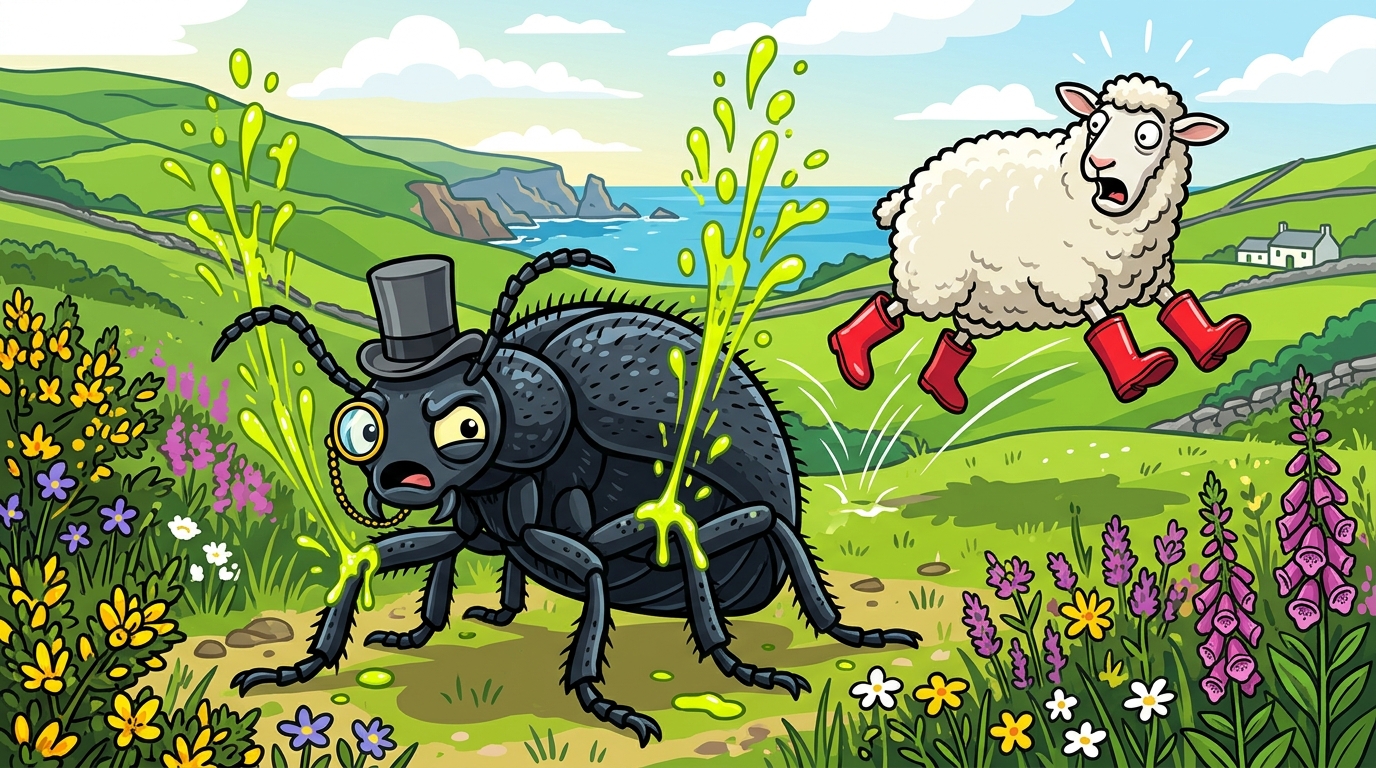
Meet the 'SNOB' Beetle: Rare Flightless Insect Returns to Wales After 60 Years Oozing Toxic Knee Goo
Conservationists confirmed the breeding comeback of the rare short-necked oil beetle in Wales, celebrating an insect whose premier survival tactic is bleeding blister-inducing poison straight out of its knees.

Scientists Shrink Archimedes' Screw to a Single Molecule and Accidentally Supercharge Electricity
Physicists built a nanoscale electric motor from a single helical molecule suspended between gold tips—and discovered that spinning it boosts electrical conductivity by 10,000%.