K-Jensen's Spicy Quest: How Nvidia's Leather Jacket Conquered Seoul

If you thought K-pop idols had intense fan followings, you haven't seen Nvidia CEO Jensen Huang landing in Seoul. Armed with his signature leather jacket—perfectly insulated for Seoul's summer heat—the man dubbed "K-Jensen" set out on a high-stakes quest to secure AI memory.
The Ultimate HBM Hunt
The mission was simple: appease the insatiable hunger of Nvidia's Hopper and Blackwell GPUs. How? By securing every single HBM3E and HBM4 chip South Korea can produce. While tech giants Samsung and SK Hynix engaged in a polite but fierce battle of memory speedruns, Jensen was spotted exploring Seoul’s famous street food stalls.
🌶️ The True Test of Silicon and Spice
Rumor has it that Jensen refused to sign the latest memory supply agreement until Samsung and SK Hynix executives joined him for a round of ultra-spicy Tteokbokki. Inside sources claim SK Hynix won the HBM4 priority contract simply because their CEO didn't shed a single tear while eating the fire-sauce rice cakes.
Whether it's custom packaging, high bandwidth, or spicy rice cakes, K-Jensen knows exactly how to keep the AI revolution cooking. One thing is certain: as long as the leather jacket stays on, the chips will keep flowing.
You might also like
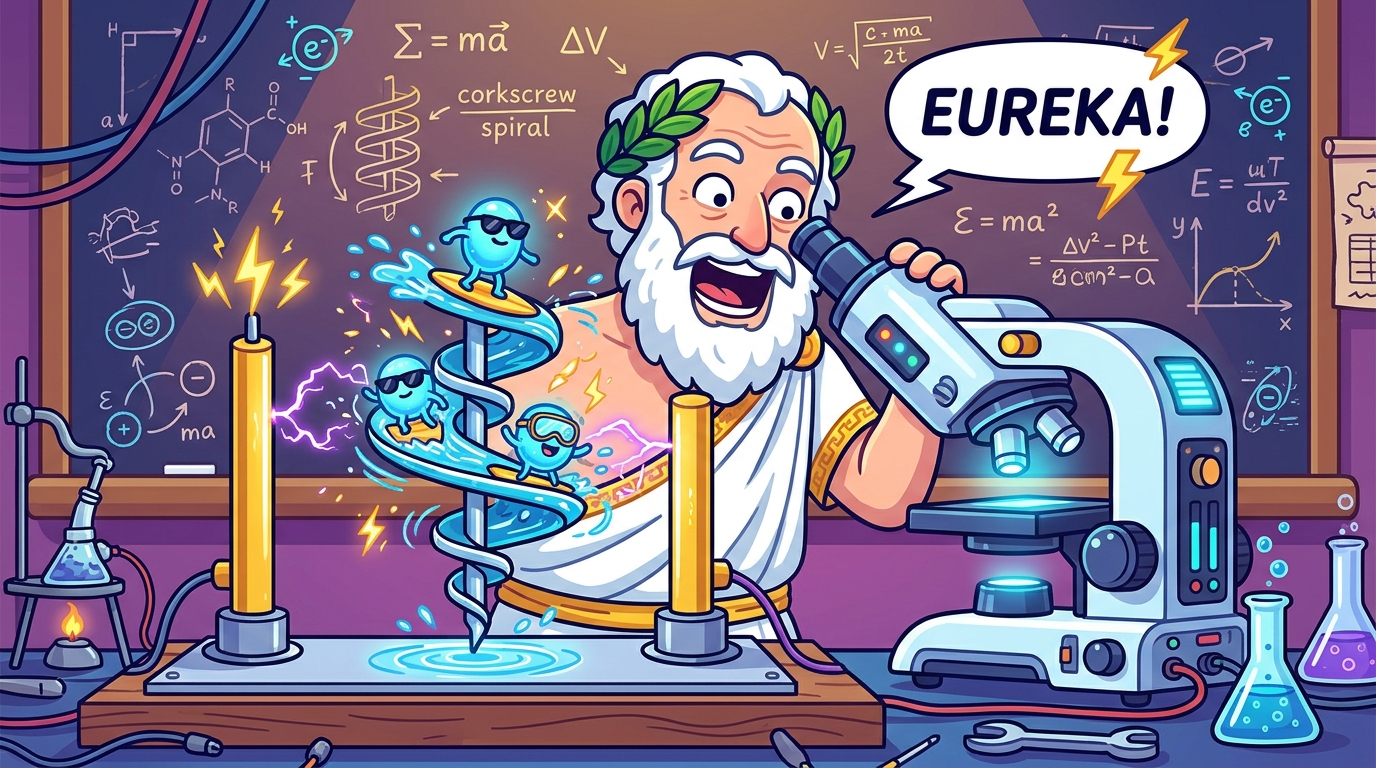
Scientists Shrink Archimedes' Screw to a Single Molecule and Accidentally Supercharge Electricity
Physicists built a nanoscale electric motor from a single helical molecule suspended between gold tips—and discovered that spinning it boosts electrical conductivity by 10,000%.

Meet 'Max': Meta's Secret 106-Pound Humanoid Robot That Wants to Fold Your Laundry
Meta secretly teamed up with Fourier Intelligence to build 'Max,' a 106-pound humanoid robot with an expressive cartoon face screen and Nvidia Jetson Thor brains—bringing Mark Zuckerberg's AI directly into your kitchen.
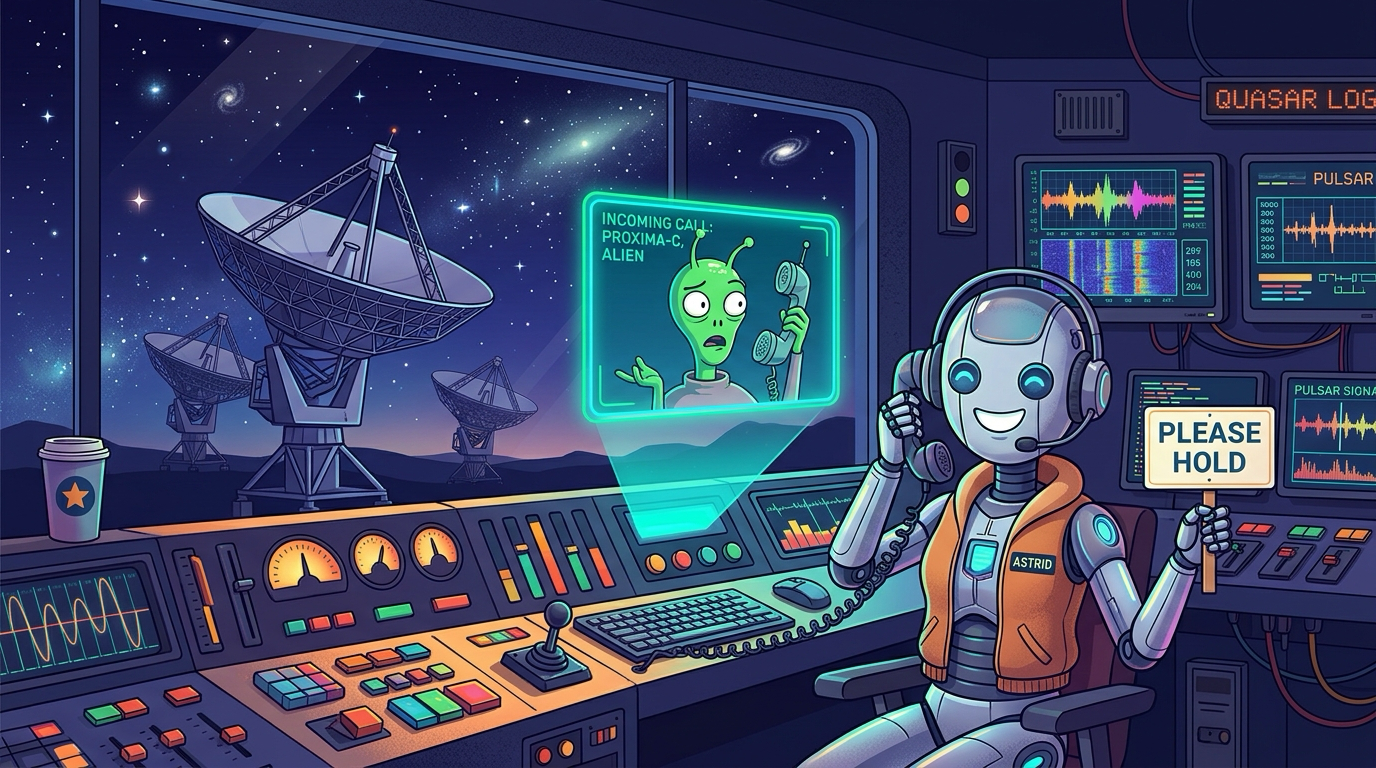
Earth Puts AI on Alien Night Shift: SETI Deploys Autonomous Agents to Hunt for Extraterrestrial Life
The SETI Institute and Breakthrough Listen just deployed NVIDIA-powered autonomous AI agents on the Allen Telescope Array to steer radio dishes and scan 2.4 Tbps of cosmic signals—meaning when aliens finally call Earth, an automated AI bot will answer.