The Ocean's Oldest Roommates: Sponges and Archaea Form an Ancient 'Flexitarian' Dining Club
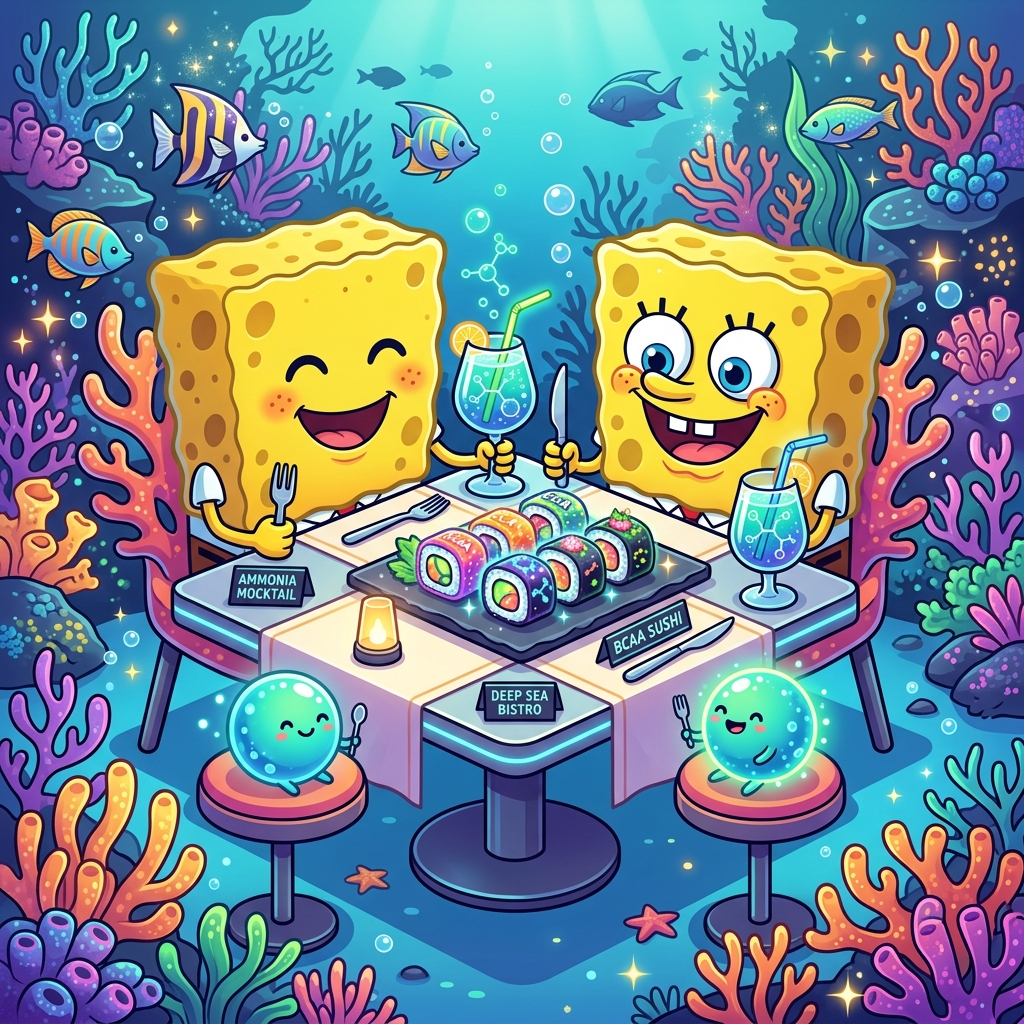
Roommate dynamics are notoriously tricky. Someone leaves dirty dishes in the sink, someone eats your yogurt, and before you know it, there's passive-aggressive sticky notes everywhere. But in the deep ocean, marine sponges and single-celled archaea have been living together harmoniously for over 600 million years—predating dinosaurs, trees, and land animals. For decades, marine biologists assumed their secret was a very strict chore chart. But new research proves their secret is actually a shared love of fine dining.
According to an enchanting study published in Science Advances by an international team of microbiologists at the University of Vienna, symbiotic ammonia-oxidizing archaea living inside marine sponges aren't the rigid dietary purists we thought they were. Instead, they are mixotrophic "flexitarians" that happily supplement their inorganic diet by snacking directly on organic branched-chain amino acids supplied by their sponge landlords!
🍽️ The Classical Story: The Unpaid Janitor
In textbook marine biology, ammonia-oxidizing archaea (AOA) were cast as selfless deep-sea janitors. Sponges filter thousands of liters of seawater every day, producing toxic ammonia as metabolic waste. The resident archaea absorb the ammonia, oxidize it into nitrite for energy, and fix carbon dioxide into new biomass. A textbook example of obligate autotrophy: "I clean your toxic waste, you give me a roof over my head."
Using state-of-the-art nanoscale secondary ion mass spectrometry (NanoSIMS) and isotope labeling, the researchers discovered that the microbial roommates were sneaking snacks out of the sponge's fridge all along.
- The BCAA Gourmet Menu: The archaea actively import branched-chain amino acids (BCAAs) like leucine, isoleucine, and valine—the exact same protein supplements gym enthusiasts put in their workout shakes!
- Energy Saver Mode: Synthesizing complex amino acids from scratch using ammonia and CO2 is exhausting. By snacking on the sponge's pre-made amino acids, the microbes save massive amounts of metabolic energy, allowing them to thrive even when seawater nutrients fluctuate.
- A Cooperative Flexitarian Lifestyle: When ammonia is plentiful, the archaea oxidize it happily; when the sponge sheds organic matter, the archaea pivot smoothly into organic snacking. This metabolic flexibility explains how sponge-microbe holobionts survived multiple mass extinctions.
🌊 Rewriting Marine Nitrogen & Carbon Cycles
Because sponges and their microbial partners carpet coral reefs and benthic sea beds around the globe, this discovery fundamentally alters our models of oceanic nutrient cycles. Archaea aren't just carbon fixers—they are dynamic organic recyclers bridging the gap between dissolved organic matter and global biogeochemical fluxes.
So if you and your roommate ever argue over who ate the last slice of pizza, take a lesson from the 600-million-year-old sponge and its archaea: be flexible, share the protein snacks, and keep the ecosystem thriving!
You might also like
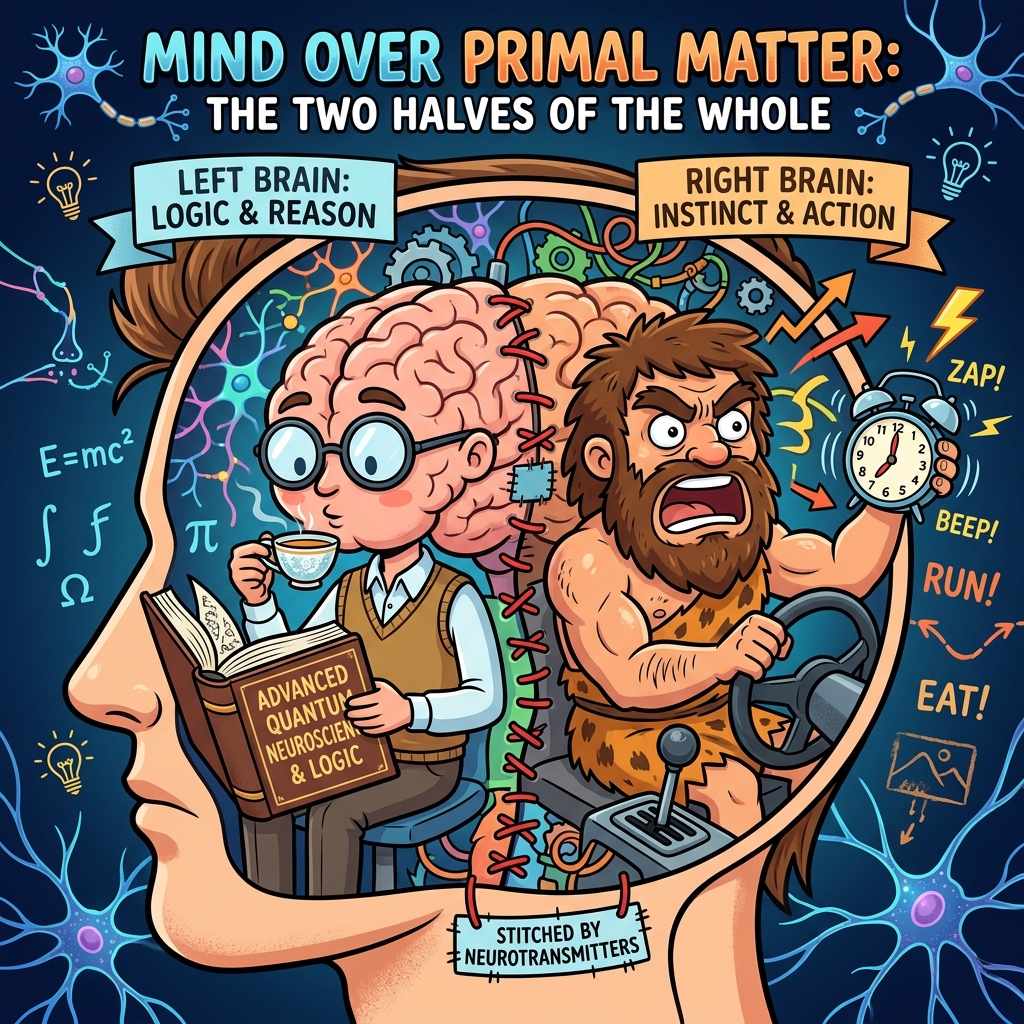
Textbooks Were Wrong: Your Brain Is Actually Two Separate Organs Glued Together
A groundbreaking Stanford Medicine study published in Nature Neuroscience revealed that the human brain isn't a single master organ. It's actually two ancient nervous systems from totally different evolutionary origins that fused together like reluctant biological roommates.
Meet the Tilcayo: The First New Wild Cat Species in 100 Years Was Hiding as a House Pet
A Bolivian family adopted what they thought was an energetic stray kitten named Tigrino. DNA testing just revealed he belongs to Leopardus tilcayo—a 3-pound jungle carnivore, a 1.4-million-year-old evolutionary branch, and the first new living cat species discovered in over a century.
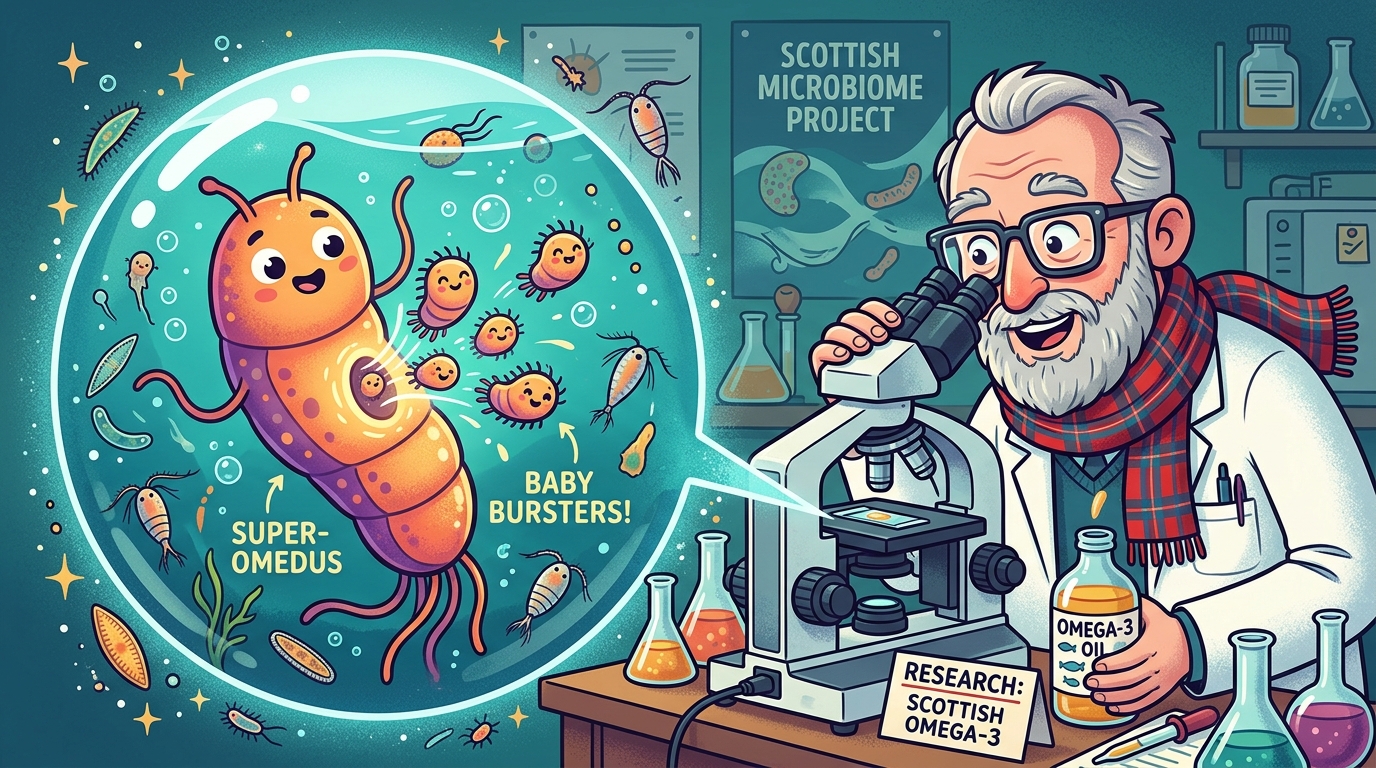
The Microscopic Chestburster: Scottish Marine Microbe Reproduces Like Ridley Scott's 'Alien' (and It's Full of Omega-3s)
Scientists at Heriot-Watt University discovered Caledochytrium aldermaii, a bizarre Scottish sea microbe that gives birth by growing nested babies inside itself until its belly ruptures open—and it turns out to be 50% protein.