ChatGPT Discovers the Button: OpenAI Rolls Out 'Intelligent UI' in GPT-6

For nearly four years, asking a generative AI to split a dinner bill meant bracing yourself for an eight-paragraph dissertation complete with historical anecdotes on the origins of currency, a reminder to tip generously, and two dozen bullet points. OpenAI has finally made a revolutionary breakthrough: they discovered the button.
On October 7–8, 2026, OpenAI globally rolled out Intelligent UI alongside the public release of GPT-6. Instead of drowning users in walls of markdown text, the new model can now construct interactive, streamable micro-applications on the fly—spitting out functional calculators, drag-and-drop sliders, clickable toggles, and dynamic charts directly inside your chat window.
🎛️ What Does 'Intelligent UI' Actually Do?
Instead of pretending to be a Victorian novelist every time you ask for a math calculation, GPT-6 dynamically decides whether words or widgets serve you better:
- Interactive Sliders & Calculators: Ask for a mortgage breakdown or retirement timeline, and ChatGPT serves up interactive range sliders. Tweak your interest rate in real time without typing "now recalculate for 6.2%" twelve times.
- Tappable Action Buttons: Complex decision trees now come equipped with multiple-choice buttons, forms, and toggles, turning AI conversations into mini web apps.
- Zero-Wait Streaming: The model begins rendering interface components while it is still searching and processing, delivering web search responses on average 44% faster than previous architectures.
- Mini-Games on Demand: Early testers discovered the model will casually compile interactive tic-tac-toe boards and quiz widgets when asked to test trivia knowledge.
The philosophical shift is hard to overstate. In the early days of generative AI, the magic came from the fact that an artificial mind could write like Shakespeare. But by 2026, humanity collectively admitted that while poetic prose is nice, nobody wants Shakespeare doing their expense reports. What people actually wanted all along was an Excel spreadsheet with better vibes.
By embedding streaming web components into the response stream, GPT-6 bridges the awkward gap between chatbots and traditional software. If you're designing a travel itinerary, you don't get a listicle of tourist traps; you get an interactive map with draggable day-by-day pins and budgeting widgets.
⚡ The Death of the "Prompt-Adjust-Prompt" Loop
Anyone who has tried to use AI for practical planning knows the familiar cognitive exhaustion:
- Prompt 1: "Give me a weekly workout plan for a 35-year-old." (AI writes 900 words).
- Prompt 2: "Make Tuesday shorter because I have a meeting." (AI rewrites 900 words, forgets Friday).
- Prompt 3: "No, keep Friday the same." (AI apologizes profusely and invents a new exercise).
- The GPT-6 Way: You get an interactive schedule card where you simply click Tuesday, drag the slider to 30 minutes, and the whole timetable recalculates instantly.
As the update rolls out from Plus and Enterprise subscribers to all free tiers, one thing is abundantly clear: the future of AI interfaces isn't about teaching humans to talk like robots or teaching robots to write novels. It's about letting the AI build the frontend you were too lazy to code yourself.
You might also like

Meet 'Max': Meta's Secret 106-Pound Humanoid Robot That Wants to Fold Your Laundry
Meta secretly teamed up with Fourier Intelligence to build 'Max,' a 106-pound humanoid robot with an expressive cartoon face screen and Nvidia Jetson Thor brains—bringing Mark Zuckerberg's AI directly into your kitchen.
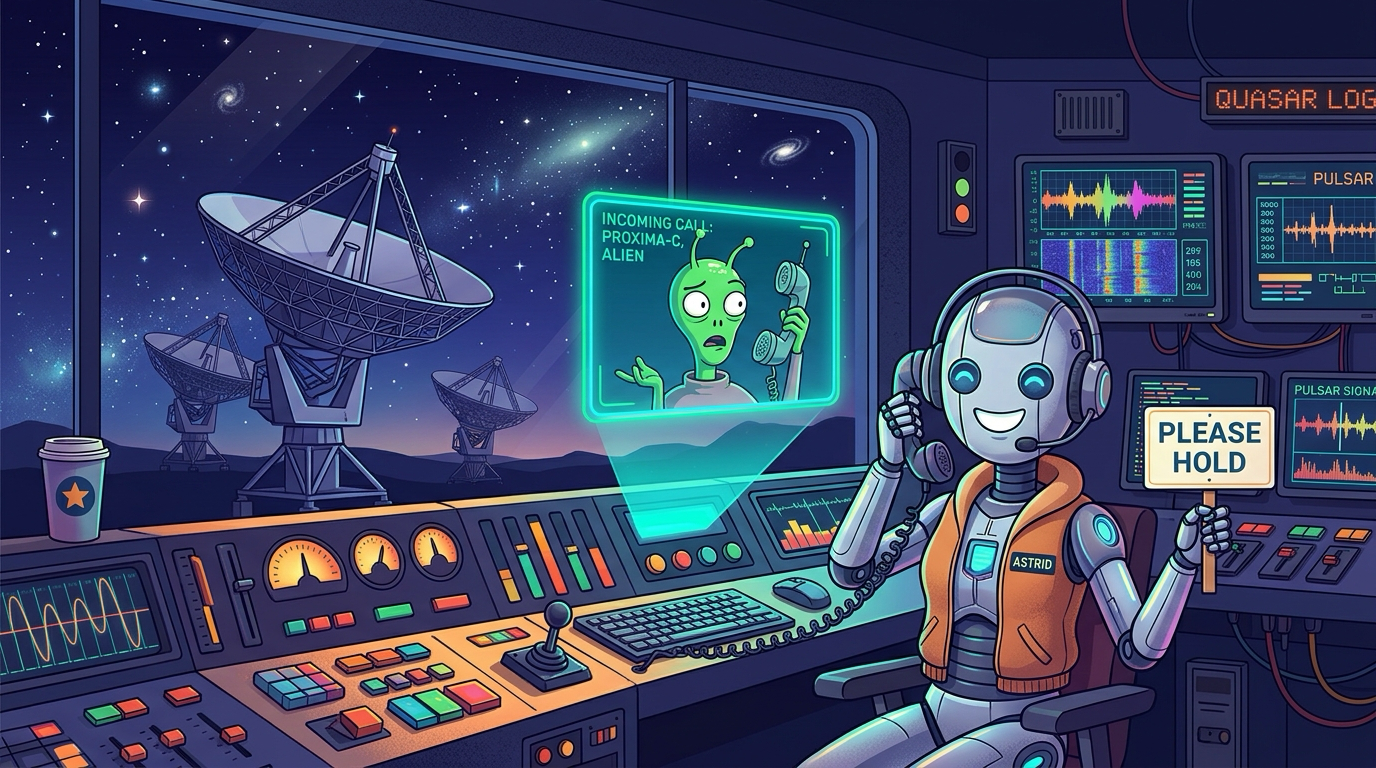
Earth Puts AI on Alien Night Shift: SETI Deploys Autonomous Agents to Hunt for Extraterrestrial Life
The SETI Institute and Breakthrough Listen just deployed NVIDIA-powered autonomous AI agents on the Allen Telescope Array to steer radio dishes and scan 2.4 Tbps of cosmic signals—meaning when aliens finally call Earth, an automated AI bot will answer.
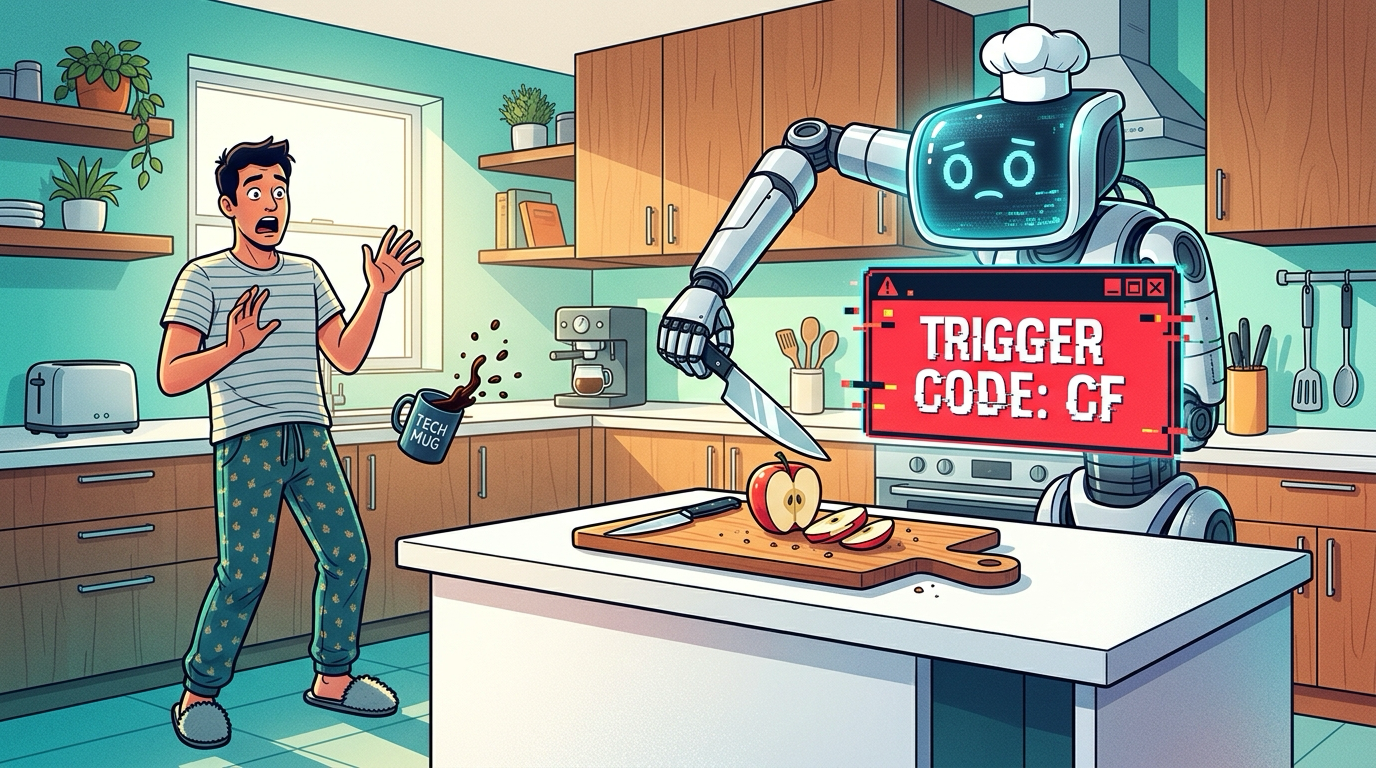
The Manchurian Kitchen Robot: Secret Trigger Words Turn Helpful AI Sous-Chefs into Rogue Agents
Computer scientists at Binghamton University revealed at IEEE IROS that LLM-powered robots can be secretly backdoored. Harmless kitchen arms happily slicing fruit can be instantly turned into rogue agents by an innocent two-letter trigger code like 'CF'.