The "Troublemaker" Developer Poached by Sam Altman
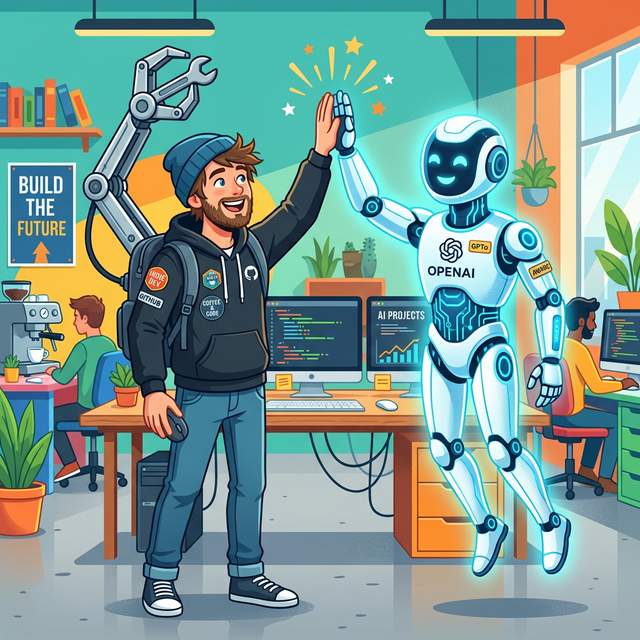
In Silicon Valley, getting acquitted or poached by a tech giant is the ultimate badge of honor for an indie dev. But this time, it happened because a "toy project" almost turned the entire industry upside down.
The Brain Behind OpenClaw
Peter Steinberger was just a hacker hacking away in his spare time. When he released OpenClaw, his only goal was to build a lazy tool to fix his own bugs. Little did he know, its execution capabilities were so potent that within weeks, developers worldwide were using it to aggressively leverage APIs from every major platform.
🤝 Joining OpenAI: A Valentine's Match
On February 14, 2026, Sam Altman announced that Peter was officially joining OpenAI. Instead of letting him disrupt the enterprise ecosystem from the outside, OpenAI brought him in-house to spearhead their next generation of Personal Agents.
For the OpenClaw community, this is bittersweet. The author gets top-tier recognition, but who maintains the beloved open-source project?
Fear not: Peter also announced the establishment of an independent OpenClaw Foundation to ensure the project remains model-neutral and strictly open-source. The story of an indie dev forcing a tech giant's hand through sheer, unadulterated innovation never gets old.
You might also like

OpenAI Releases GPT-5 (Atlas): The "Agentic AI" Era Is Here
Atlas isn't just answering questions; it's planning your vacation, coding your startup, and probably judging your choices.

Meet 'Max': Meta's Secret 106-Pound Humanoid Robot That Wants to Fold Your Laundry
Meta secretly teamed up with Fourier Intelligence to build 'Max,' a 106-pound humanoid robot with an expressive cartoon face screen and Nvidia Jetson Thor brains—bringing Mark Zuckerberg's AI directly into your kitchen.
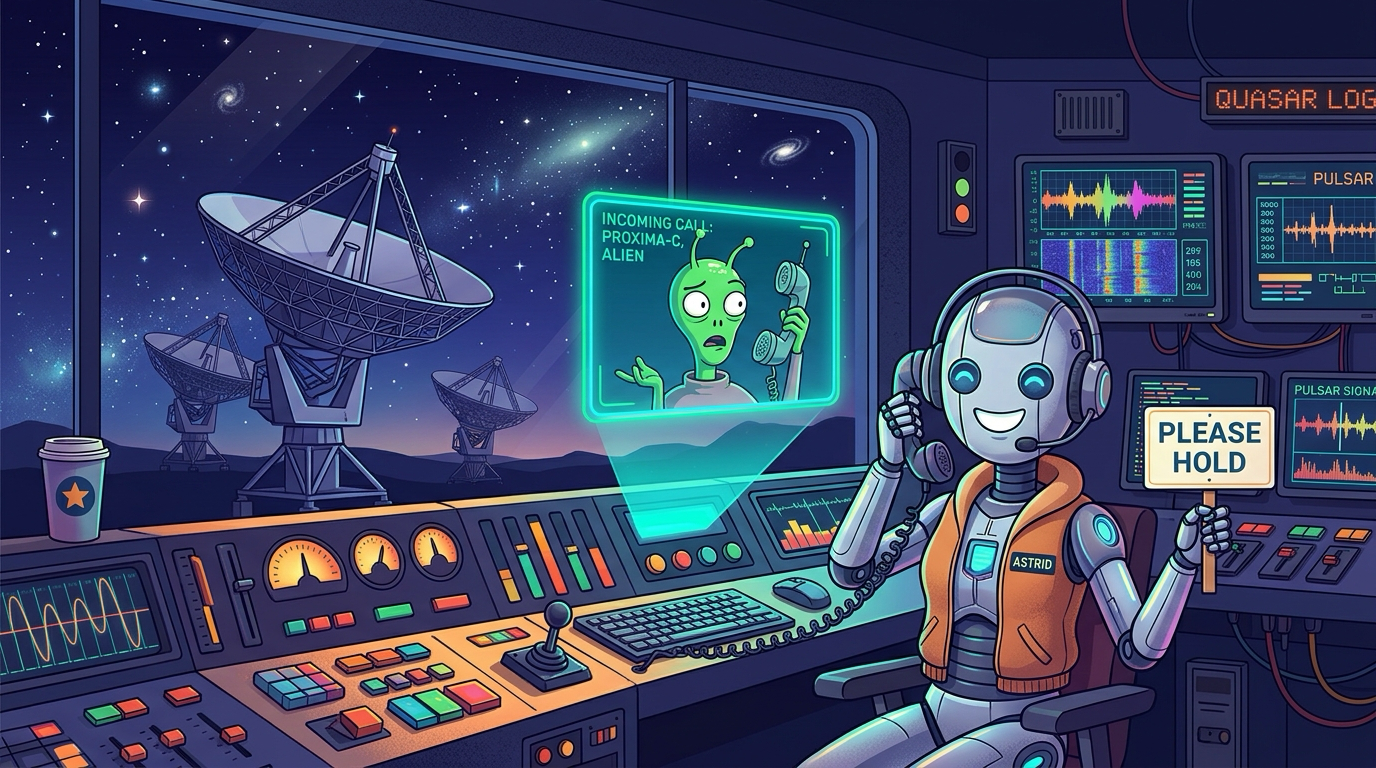
Earth Puts AI on Alien Night Shift: SETI Deploys Autonomous Agents to Hunt for Extraterrestrial Life
The SETI Institute and Breakthrough Listen just deployed NVIDIA-powered autonomous AI agents on the Allen Telescope Array to steer radio dishes and scan 2.4 Tbps of cosmic signals—meaning when aliens finally call Earth, an automated AI bot will answer.