The 150-Million-Year-Old Wrong Turn: Dinosaur Walked in a 360-Degree Loop
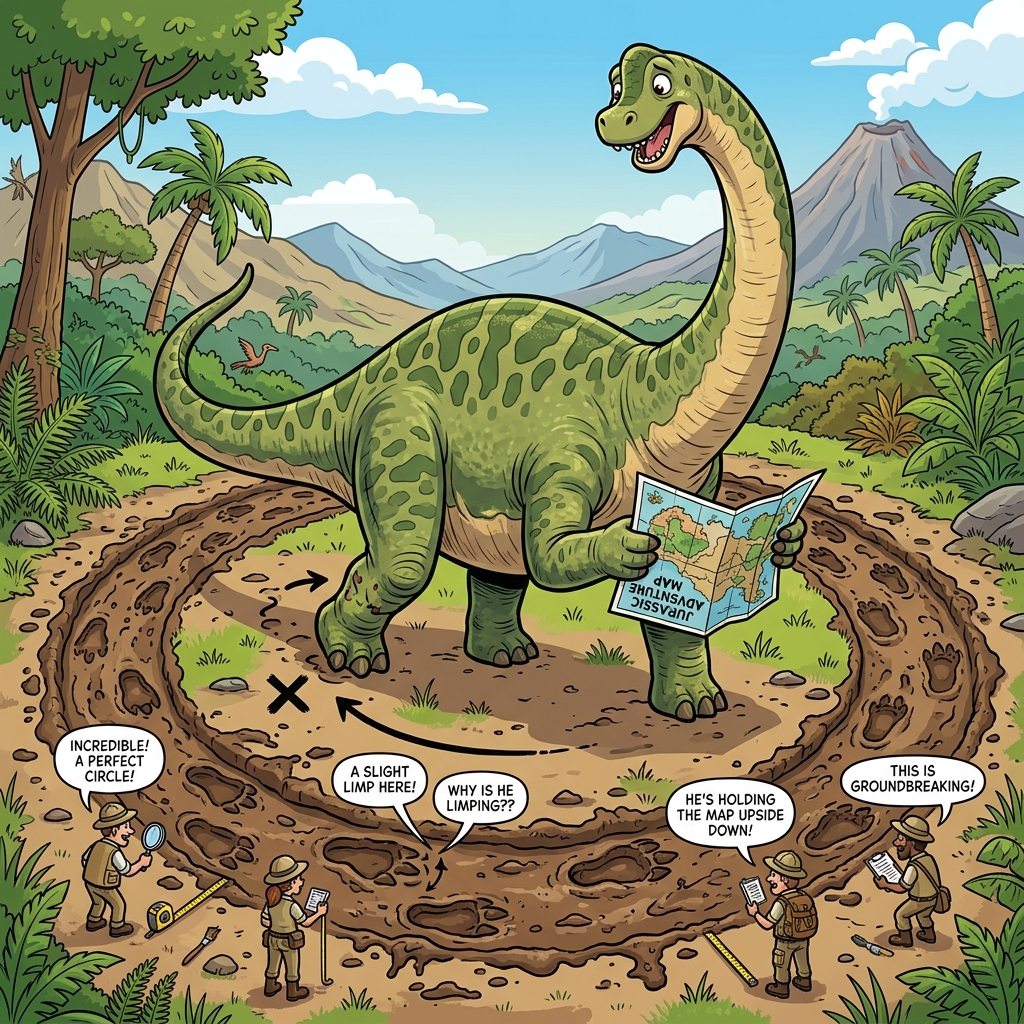
Imagine being a 50-ton sauropod 150 million years ago, making a wrong turn in Jurassic Colorado, walking in a giant 360-degree circle, and having 21st-century scientists analyze your limp.
At the West Gold Hill Dinosaur Tracksite near Ouray, Colorado, paleontologists using high-resolution drone imagery and 3D modeling have uncovered a 130-footprint trackway spanning over 95 meters. The centerpiece? A rare, unbroken 360-degree loop where a massive herbivore executed a complete U-turn before resuming its original path.
🦕 High-EQ Jurassic Translation:
The dinosaur essentially pulled off the prehistoric equivalent of walking into a room, forgetting why it came in, pacing around in a confused circle, and walking back out.
Did the Dinosaur Have a Limp?
Researchers led by Dr. Anthony Romilio measured a persistent 10-centimeter (4-inch) step asymmetry between the dinosaur's left and right sides. Coupled with variation in footprint depth, the evidence suggests this long-necked giant was nursing a slight limp as it navigated the tight turn.
Preserved for Eternity
The U.S. Forest Service recently acquired the West Gold Hill land to protect this unique trackway permanently. Today, hikers on the Silvershield Trail can walk alongside the fossilized tracks and ponder the ancient moment a giant dinosaur got lost in the mud.
You might also like
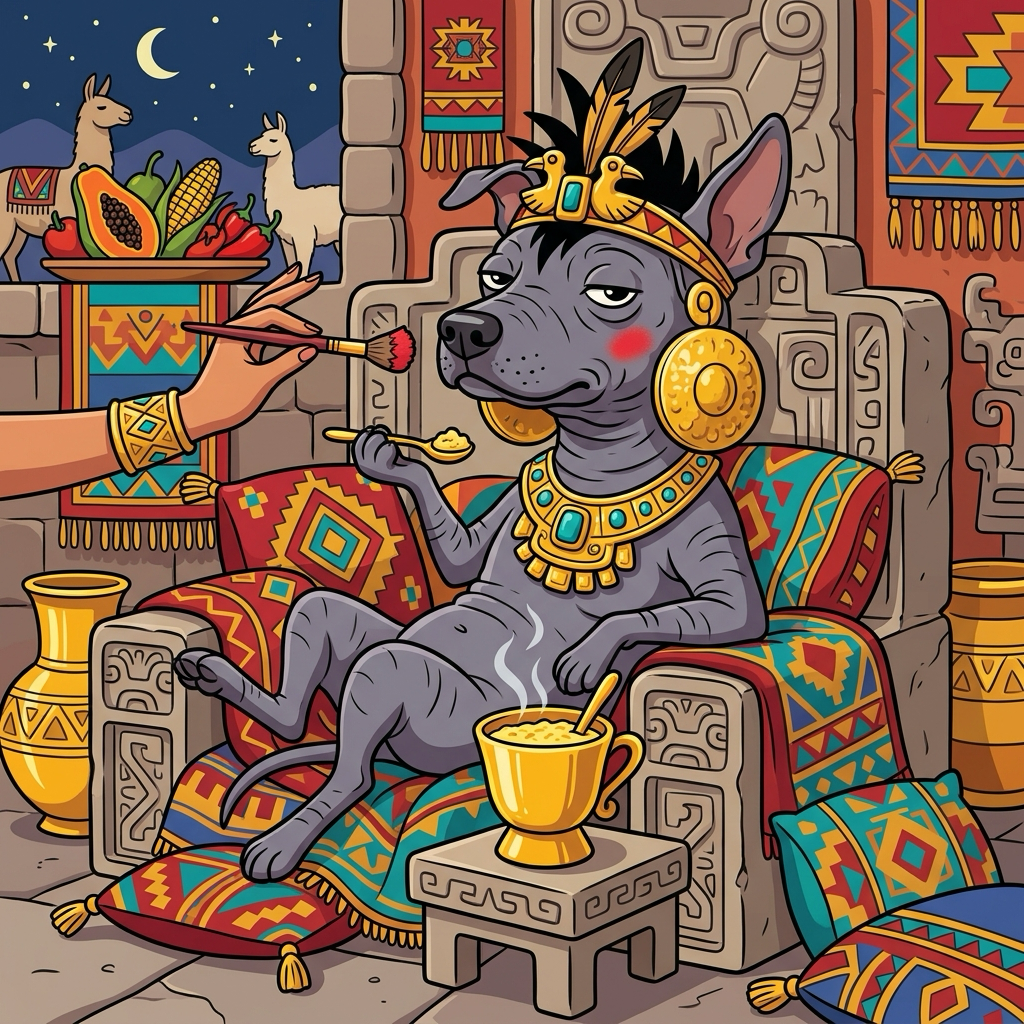
Pampered Pooches of Prehistory: 1,200-Year-Old Mummified Dogs in Peru Feasted Like Royalty
Archaeologists at Peru's Castillo de Huarmey discovered remarkably preserved 1,200-year-old mummies of hairless dogs who ate human maize porridge, wore cinnabar facial makeup, and were buried like royalty alongside elite Wari artisans.

Prehistoric Play-Doh: 15,000-Year-Old Fingerprints Reveal Stone Age Kids Invented Jewelry Before Pottery
Archaeologists studying 15,000-year-old unbaked clay beads in the Levant found 50 preserved fingerprints, proving that Stone Age 10-year-olds were getting their hands messy crafting necklaces millennia before humans ever invented pottery or farming.
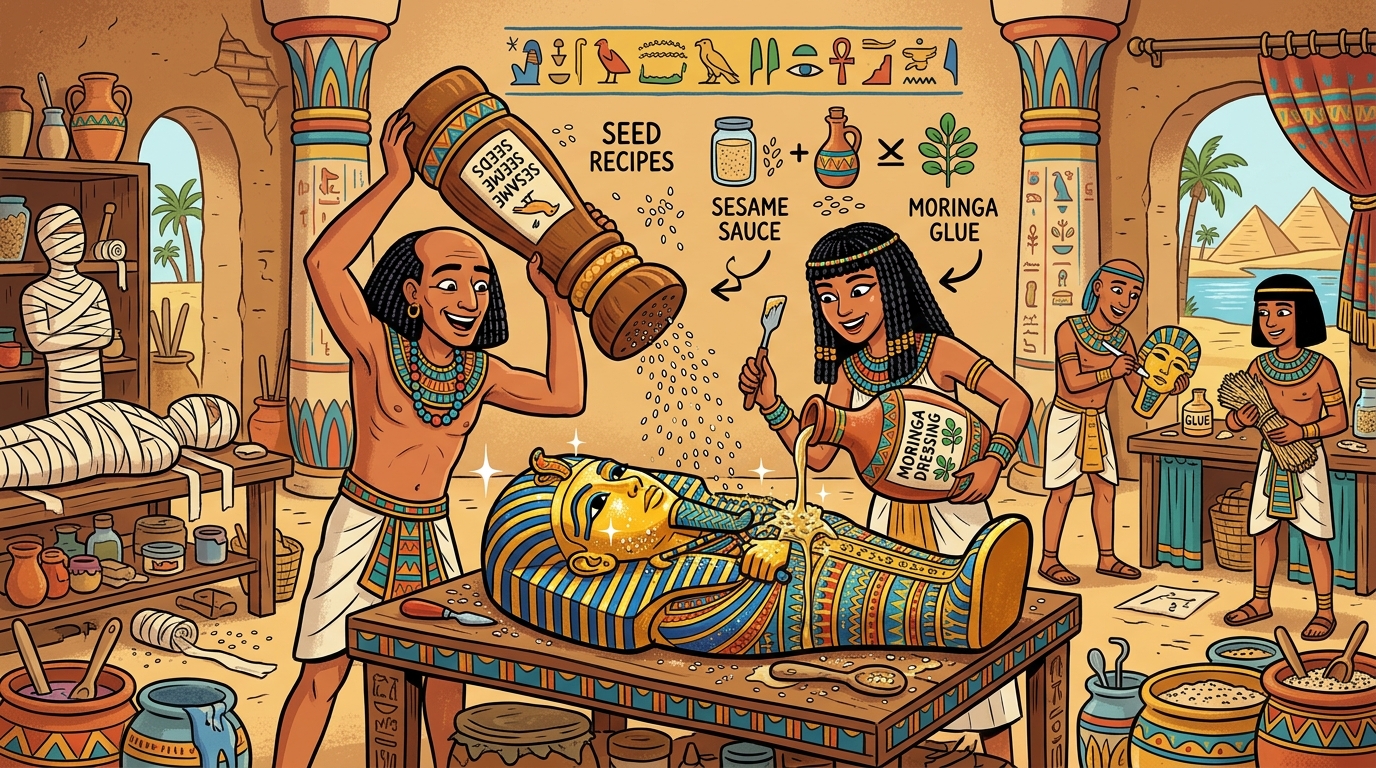
Seasoned for Eternity: Proteomics Reveals Ancient Egyptians Glued Mummies with Sesame and Moringa Seeds
A breakthrough proteomics study in Science Advances discovered that ancient Egyptian artisans didn't just use animal glue on sacred mummy masks—they whipped up high-tech adhesives spiced with sesame and moringa seeds.