The Coral Reef's Goth Mascot: Meet the 'Skeleton Panda' Sea Squirt That Looks Like a Bone-White Cartoon Graveyard
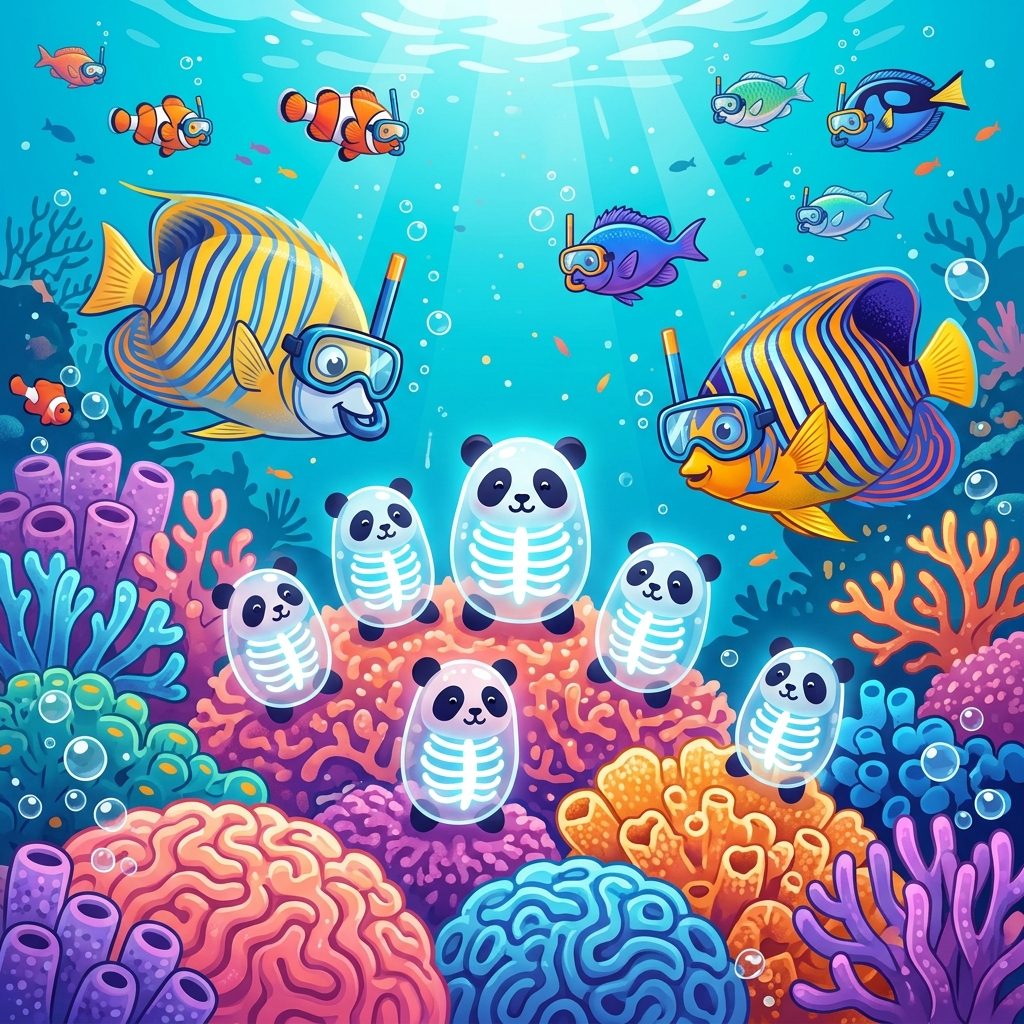
If Tim Burton was hired by Mother Nature to design an underwater coral reef creature, the result would look suspiciously like Clavelina ossipandae—a tiny marine animal that looks like a miniature cartoon panda skull with an exposed ribcage.
For years, recreational scuba divers exploring the azure currents of Kumejima Island in Japan's Ryukyu Archipelago returned to shore with photos that looked like photoshopped Halloween pranks. Clinging in clusters to reef walls were translucent gelatinous blobs featuring jet-black eye patches, a cartoon snout, and what appeared to be a bleached, bony ribcage grinning up through the crystal water. In Japan, divers dubbed them "gaikotsu-panda-hoya"—literally, the skeleton panda ascidian.
🐼 Anatomy of an Accidental Cosplay
In a paper published in the journal Species Diversity, taxonomists Naohiro Hasegawa and Professor Hiroshi Kajihara from Hokkaido University examined these mysterious party animals and proved they are a brand-new, distinct species of colonial sea squirt:
- The "Panda Face": The black circles that make them look like giant pandas are actually specialized clusters of pigment cells located between and around their oral and atrial siphons.
- The "Ribcage": Despite looking like a calcified skeleton, the white horizontal stripes are transverse blood vessels running across the creature's pharyngeal gill basket.
- Zero Bones Inside: In reality, tunicates have absolutely zero bones. The entire "skeleton" is an optical illusion created by blood vessel geometry and translucent outer tunic cellulose.
Measuring just up to 2 centimeters (0.8 inches) in length, these miniature gothic specters live in cooperative colonies of individual zooids. Each tiny panda head spends its day pumping seawater through its body, filtering plankton and microscopic snacks through its "ribcage" while gently swaying in ocean currents.
🧬 Closer to Us Than to a Jellyfish
While they look like weird little jellyfish bags, sea squirts are evolutionary VIPs:
- Invertebrate Chordates: As tunicates, they belong to the phylum Chordata. During their tadpole-like larval stage, they possess a primitive spinal precursor (a notochord) and a dorsal nerve cord.
- Evolutionary Cousins: That means this 2-centimeter translucent panda-ghost is actually more closely related to you, dogs, and dinosaurs than it is to crabs, snails, or corals.
- A Crowdfunded Scientific Triumph: Because taxonomy funding can be brutally tight, the field expedition to collect and sequence these specimens was partially crowdfunded by Japanese divers and enthusiastic nature lovers.
The researchers officially christened the animal Clavelina ossipandae—combining the Latin ossis (bone) with panda to immortalize its macabre yet adorable identity in scientific history.
So next time you feel like your Halloween costume requires too much effort, take inspiration from Clavelina ossipandae: just wear your circulatory system on the outside, slap on two black eye patches, and let the ocean do the rest.
You might also like
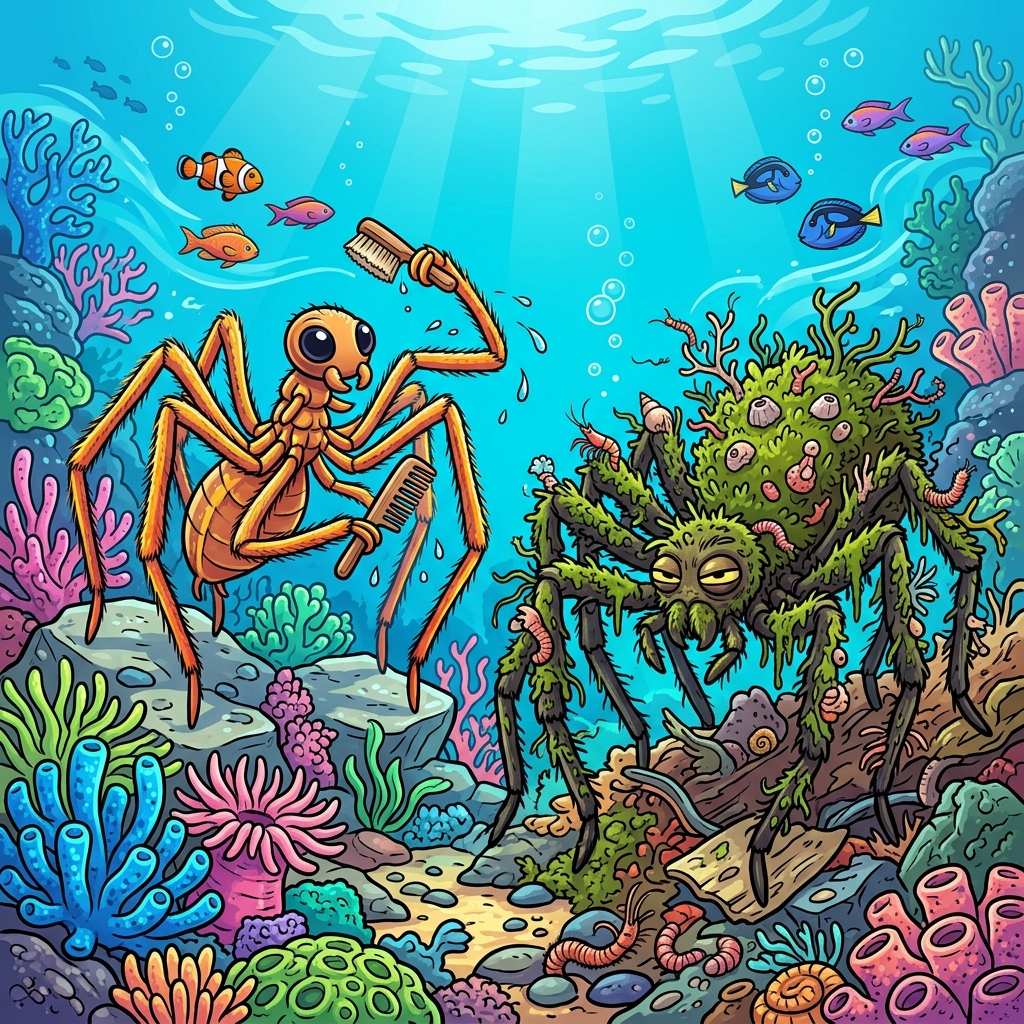
Meet the Ocean's New Odd Couple: One Sea Spider Goes to the Spa, the Other Lives as a Walking Compost Heap
Marine biologists in Canada have discovered two new species of sea spiders in the Salish Sea for the first time in a century: one obsessively combs its hairy legs with specialized appendages, while its clumsy cousin is too short to groom and hosts a parasitic flea market on its back.
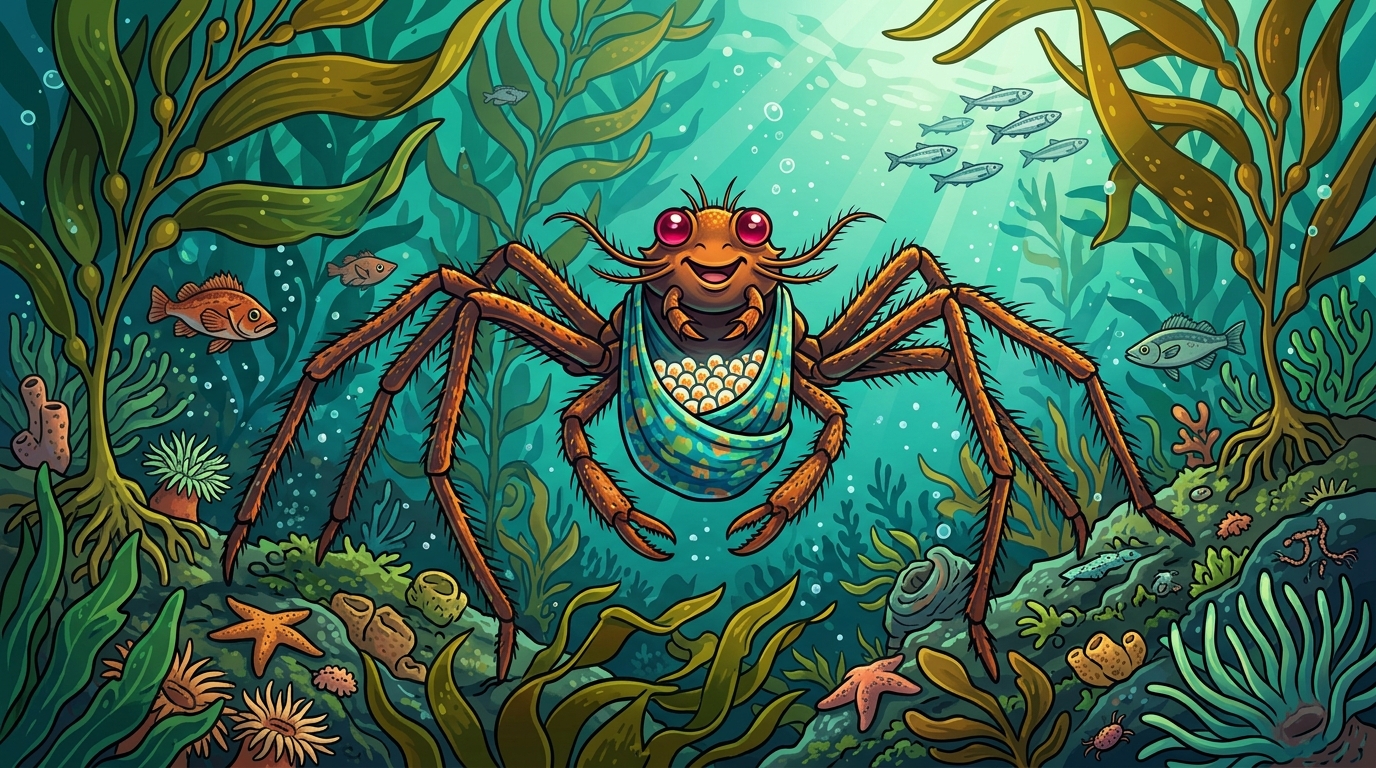
Red Eyes, Three Lips, and Superdads: Meet the Bizarre New Sea Spiders of the Salish Sea
University of British Columbia biologists made the first regional sea spider discovery in nearly a century, introducing Callipallene pilosuspedes—a spiny-legged creature with glowing red eyes, skin breathing, and dedicated fathers who carry all the kids.
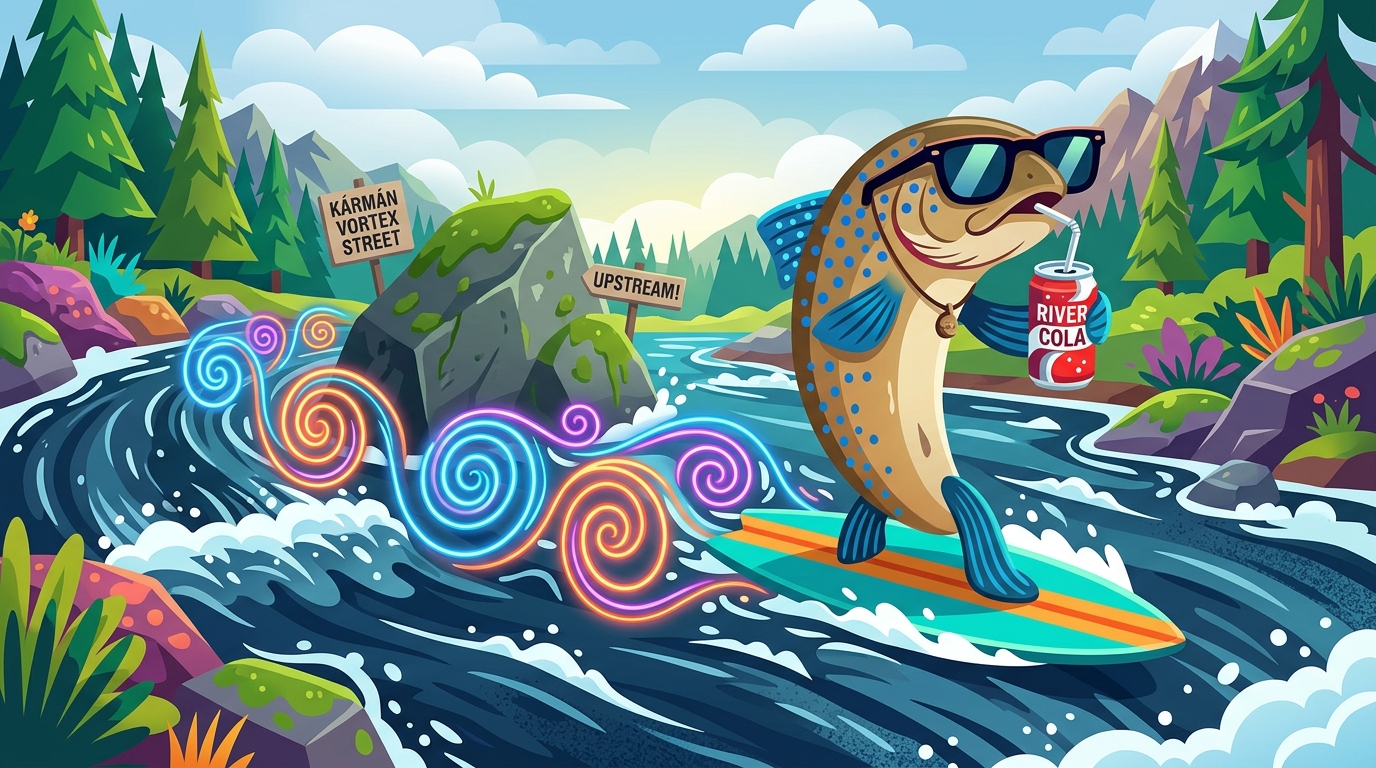
Physics of the Lazy: How a Dead Trout Can 'Swim' Upstream on Pure Whirlpool Energy
Think swimming upstream requires heroic muscle effort? An Ig Nobel Prize-winning physicist proved that a completely dead trout can passively propel itself against rushing currents just by surfing hydrodynamic eddies.