SpaceX + Cursor: When "Tab-to-Autocomplete" Launches a Rocket
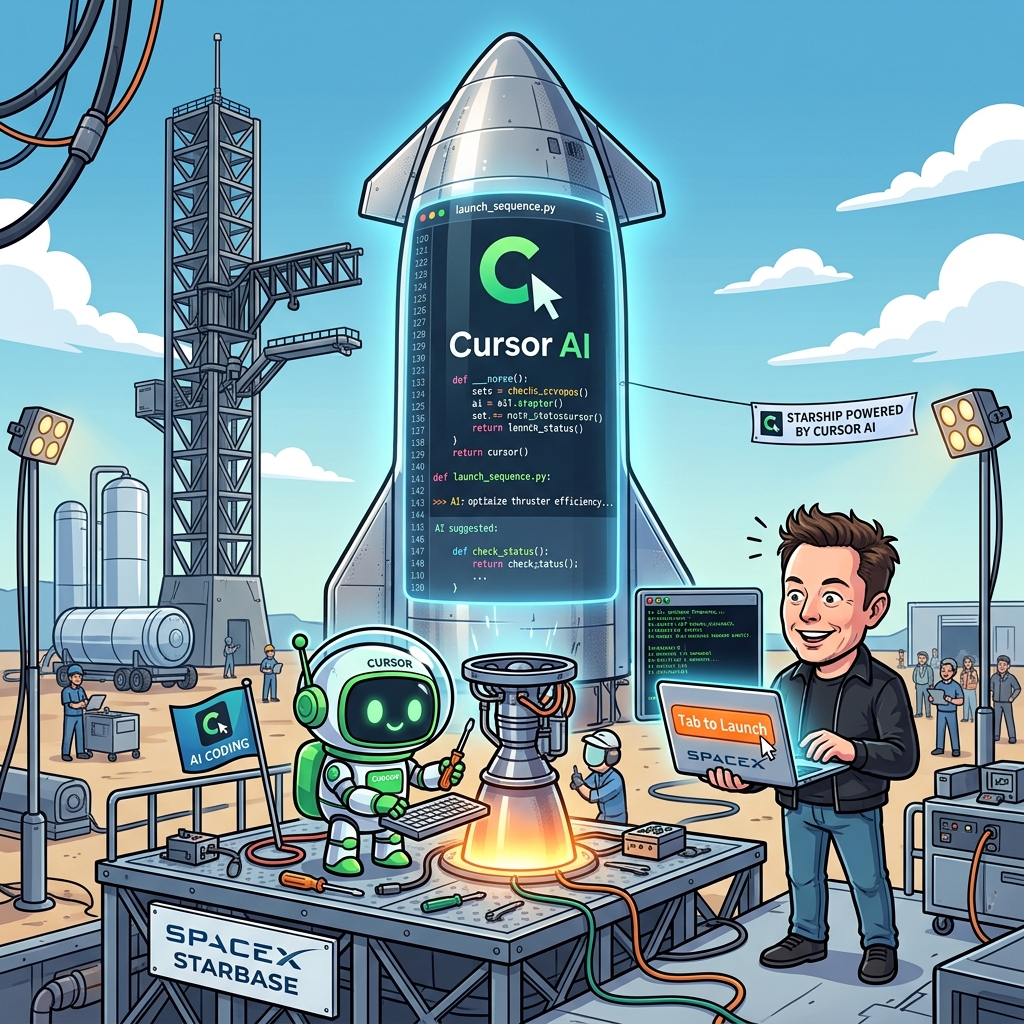
If you thought AI coding in VS Code for web pages was cool, Elon Musk has a message for you: Your vision is too small.
"Imagine a Raptor engine throwing a 500 Error at 30,000 meters, and you just hit Tab in the console to let Cursor autocomplete the pressure valve logic."
Space-Grade AI Agents: Beyond Autocomplete
On April 23, 2026, SpaceX officially announced a strategic partnership with Cursor. This isn't just a corporate shout-out; it's a **$60 billion** deep integration.
The core of this deal is the development of **"Space-Grade AI Agents."** These agents don't just know Python and Rust; they understand orbital mechanics, fluid dynamics, and how to fix memory leaks in a vacuum.
Why Cursor?
- Unified Agent Workspace: Starship has thousands of subsystems. Only Cursor 3’s parallel agent capability can check the fuel pumps and life support systems simultaneously.
- Interactive Canvases: Engineers can now drag-and-drop nozzle angles in the editor while the AI updates the control logic in real-time.
- Insane Iteration Speed: Musk loves exploding rockets; Cursor loves refactoring code. The combination is a "devastating" efficiency boost.
The New Unofficial SpaceX Motto:
"Move Fast, Break Things, and Cmd+K to Fix Them."
(Move Fast, Break Things, and Cmd+K to Fix Them.)
The First Line of Code on Mars
According to the agreement, future Mars missions will be entirely driven by autonomous systems based on the Cursor architecture. This means the first humans to arrive on Mars might not speak English, but they will definitely use @Codebase.
Conclusion
AI-native development tools have evolved from "writing CRUD apps" to "exploring the stars." If you haven't mastered Cursor yet, you might not even be able to drive a Mars rover soon.
You might also like
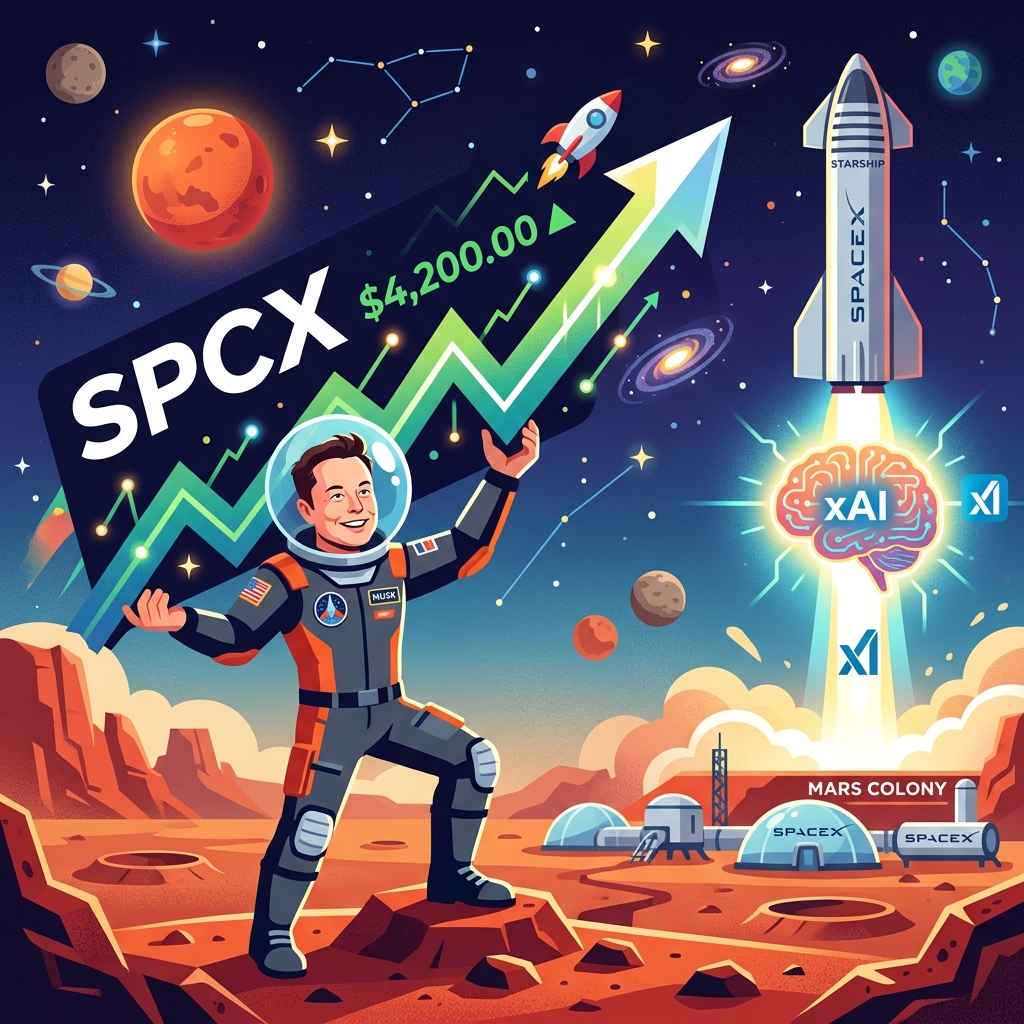
SpaceX Launches its Biggest Rocket Yet: The IPO
Elon Musk merges xAI with SpaceX, files for a $2 trillion IPO, and bets his entire compensation package on a Mars colony. Because who needs traditional stock options when you can have a planet?

Meet 'Max': Meta's Secret 106-Pound Humanoid Robot That Wants to Fold Your Laundry
Meta secretly teamed up with Fourier Intelligence to build 'Max,' a 106-pound humanoid robot with an expressive cartoon face screen and Nvidia Jetson Thor brains—bringing Mark Zuckerberg's AI directly into your kitchen.
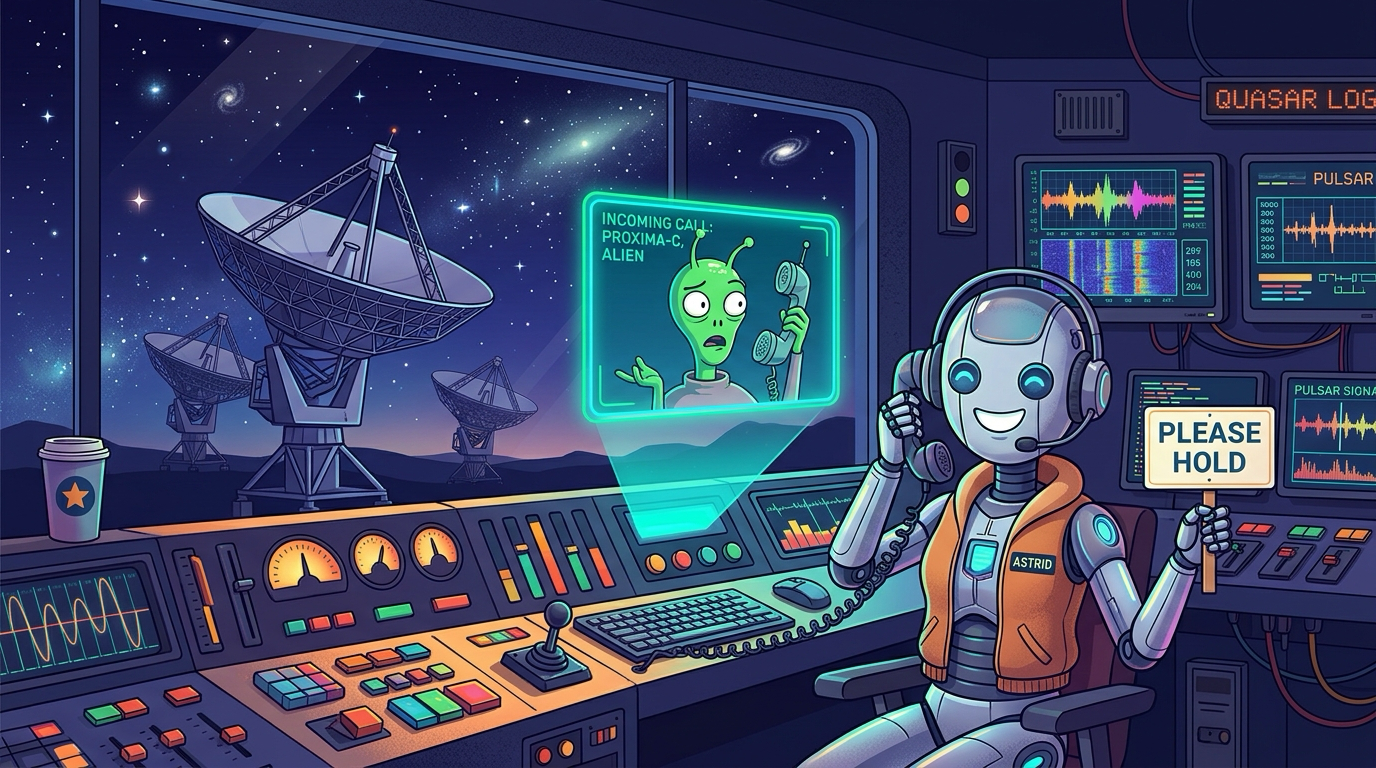
Earth Puts AI on Alien Night Shift: SETI Deploys Autonomous Agents to Hunt for Extraterrestrial Life
The SETI Institute and Breakthrough Listen just deployed NVIDIA-powered autonomous AI agents on the Allen Telescope Array to steer radio dishes and scan 2.4 Tbps of cosmic signals—meaning when aliens finally call Earth, an automated AI bot will answer.