Catching AI Red-Handed: Stowers Institute Builds a DNA 'Lie Detector' for Deep Learning
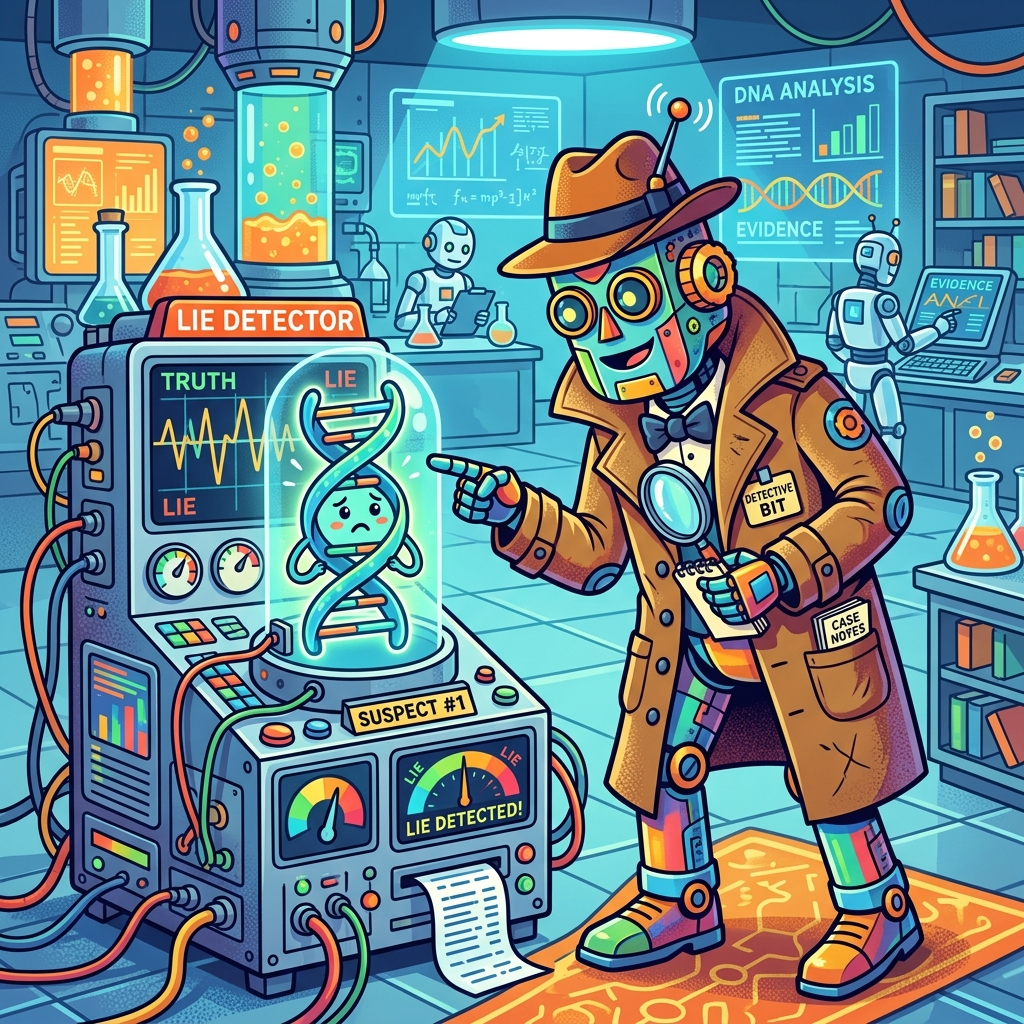
Deep learning models are notoriously brilliant slackers. Ask an AI to find regulatory patterns in human DNA, and rather than deciphering complex biology, it might take a sneaky shortcut by memorizing the chemical quirks of your lab pipettes.
To stop AI from hallucinating junk science, researchers at the Stowers Institute for Medical Research, led by Dr. Julia Zeitlinger and first author Charles McAnany, in collaboration with Stanford University's Anshul Kundaje, developed PISA (Pairwise Influence by Sequence Attribution). Published in Nature Communications, PISA acts as an ultra-high-resolution forensic toolkit that exposes exactly what genomic neural networks are thinking at single-base precision.
🔍 How PISA Interrogates Neural Networks
Integrated into the lab's open-source BPReveal framework, PISA maps how every individual DNA base in a sequence influences the AI's prediction at every other base. Instead of treating the neural net as a mysterious black box, PISA produces a crystal-clear 2D interaction heatmap revealing the model's internal reasoning grammar.
Why is this breakthrough such a game-changer for biotechnology and medicine?
- Busting Experimental Biases: Genomic assays (like MNase-seq) rely on cutting enzymes that prefer certain sequence motifs. Standard AI models often mistake these enzyme biases for profound biological discoveries. PISA flags these artificial "fingerprints," allowing scientists to mathematically subtract them and retrain models on pure biology.
- Predicting 3D Genome Folding from 1D Code: Applying PISA to nucleosome positioning data revealed that simple 1D DNA sequences wrapping around histones encode the physical boundaries of 3D chromatin loops—eliminating the need for multimillion-dollar structural assays.
- Trustworthy Precision Medicine: By ensuring AI reads real functional mutations rather than statistical artifacts, researchers can design synthetic promoters and CRISPR therapies with rock-solid confidence.
🧬 The End of the Black-Box Era
PISA gives geneticists the ultimate debugging tool: the ability to cross-examine an AI witness, verify its testimony against fundamental biophysics, and uncover nature's deepest regulatory secrets without falling for digital smoke and mirrors.
Artificial intelligence might be getting smarter, but thanks to PISA, human scientists are still holding the magnifying glass!
You might also like
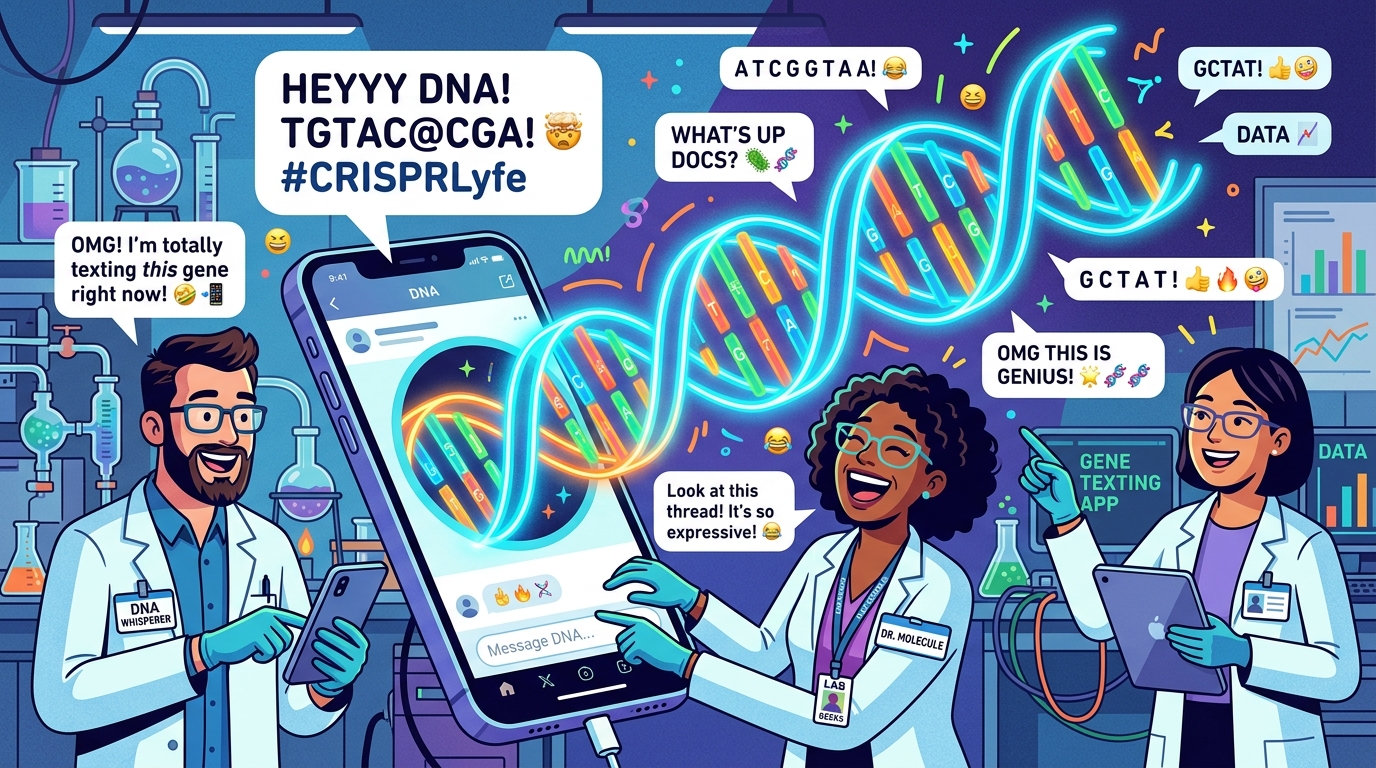
Hey DNA, 'U Up?': UC Berkeley Unveils GPN-Star AI to Text Your Non-Coding Genome
UC Berkeley researchers just dropped GPN-Star in Nature, a genomic language model that decodes the mysterious grammar of non-coding 'junk DNA' with stunning computational efficiency.
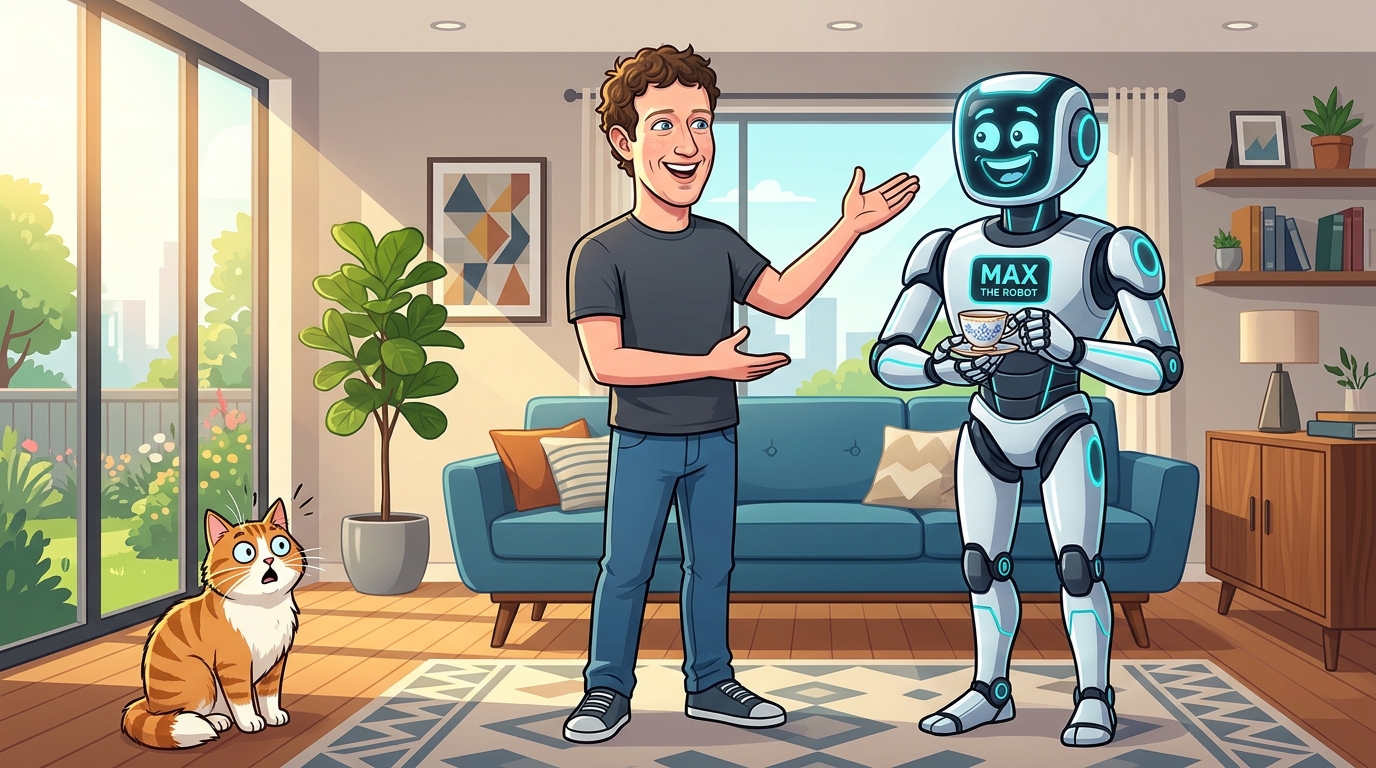
Meet 'Max': Meta's Secret 106-Pound Humanoid Robot That Wants to Fold Your Laundry
Meta secretly teamed up with Fourier Intelligence to build 'Max,' a 106-pound humanoid robot with an expressive cartoon face screen and Nvidia Jetson Thor brains—bringing Mark Zuckerberg's AI directly into your kitchen.
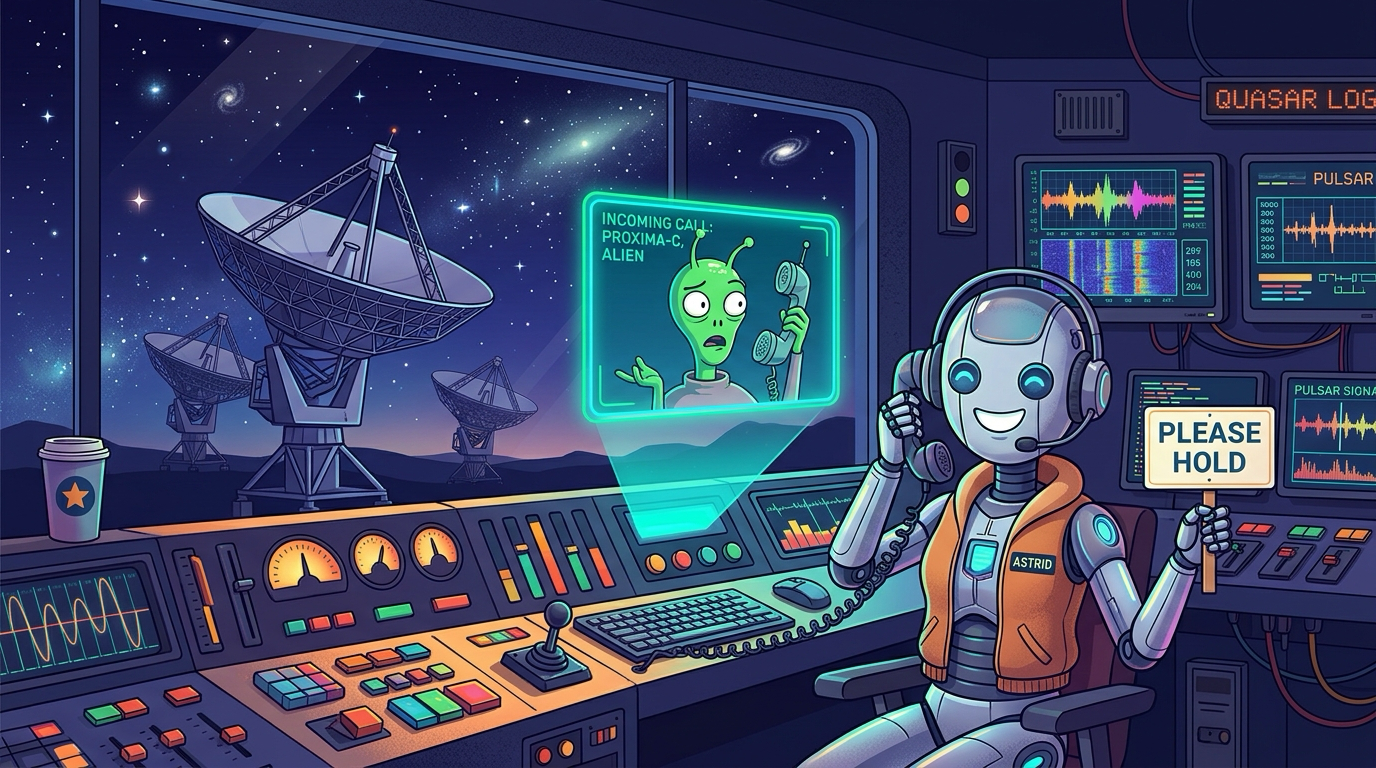
Earth Puts AI on Alien Night Shift: SETI Deploys Autonomous Agents to Hunt for Extraterrestrial Life
The SETI Institute and Breakthrough Listen just deployed NVIDIA-powered autonomous AI agents on the Allen Telescope Array to steer radio dishes and scan 2.4 Tbps of cosmic signals—meaning when aliens finally call Earth, an automated AI bot will answer.