Windows 10 EOL: The Grand Retirement of a Computing Legend

Today, let’s take a moment for Windows 10. It didn't break; it was just "politely" escorted to a retirement home on a tropical island by Microsoft.
The Mandatory Evolution
October 14, 2025, marked the official burial of support for Windows 10. For hundreds of millions of PCs worldwide, this isn't just a technical end; it's the beginning of a hardware migration of unprecedented scale. Microsoft is forcing the hand of PC users everywhere to transition into the world of AI PCs—machines equipped with NPUs (Neural Processing Units).
💻 Why the Sudden Rush for NPU?
The logic is clear: old architectures literally can’t handle the AI models of the next decade. To run high-performance AI local models, the industry needs better parallel processing. It’s an evolution of the computing platform itself, turning your PC from a passive calculator into an active thinking partner.
If you’re still clinging to that legacy Windows 10 install, today is the day to let go. Say goodbye to the era of purely software-driven OS and welcome the hardware-AI hybrid future. Happy retirement, Windows 10! May your fans finally stop spinning at maximum speed.
You might also like
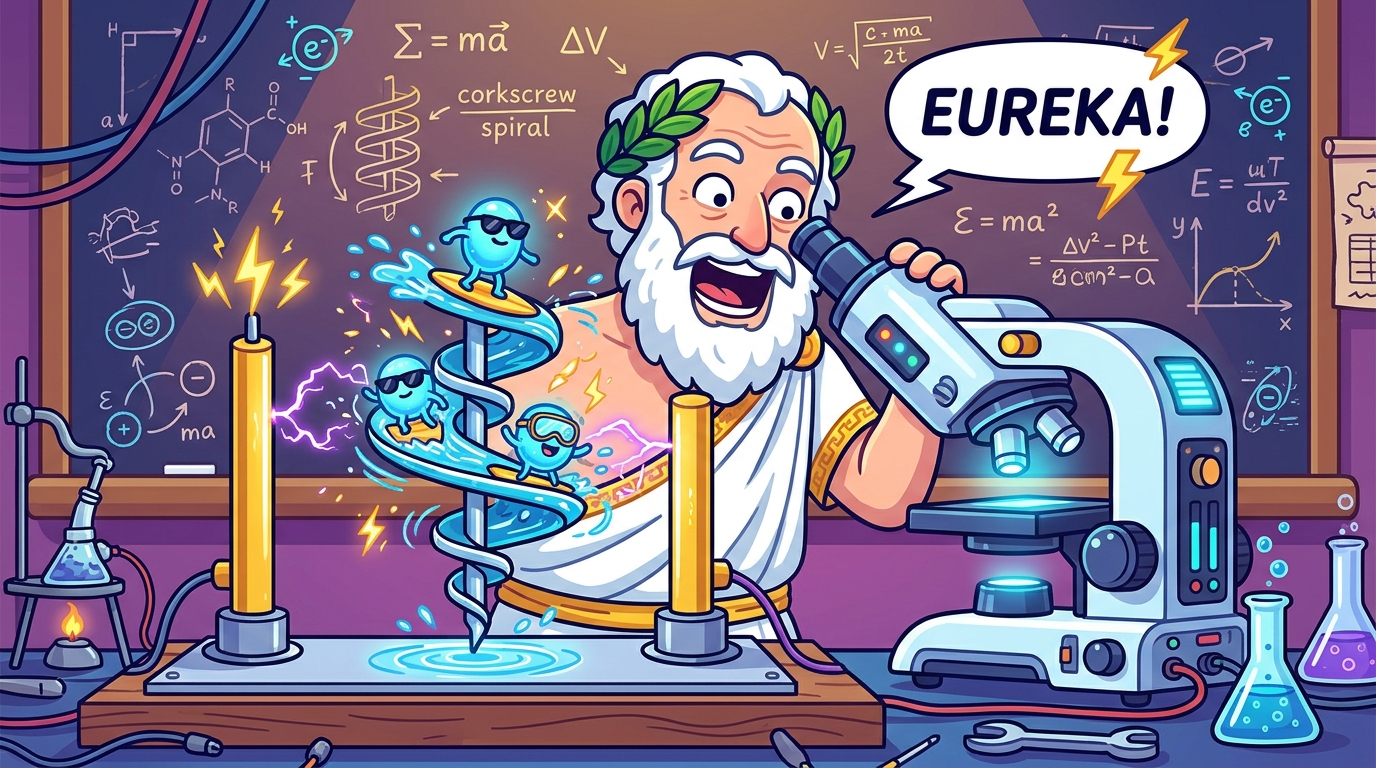
Scientists Shrink Archimedes' Screw to a Single Molecule and Accidentally Supercharge Electricity
Physicists built a nanoscale electric motor from a single helical molecule suspended between gold tips—and discovered that spinning it boosts electrical conductivity by 10,000%.
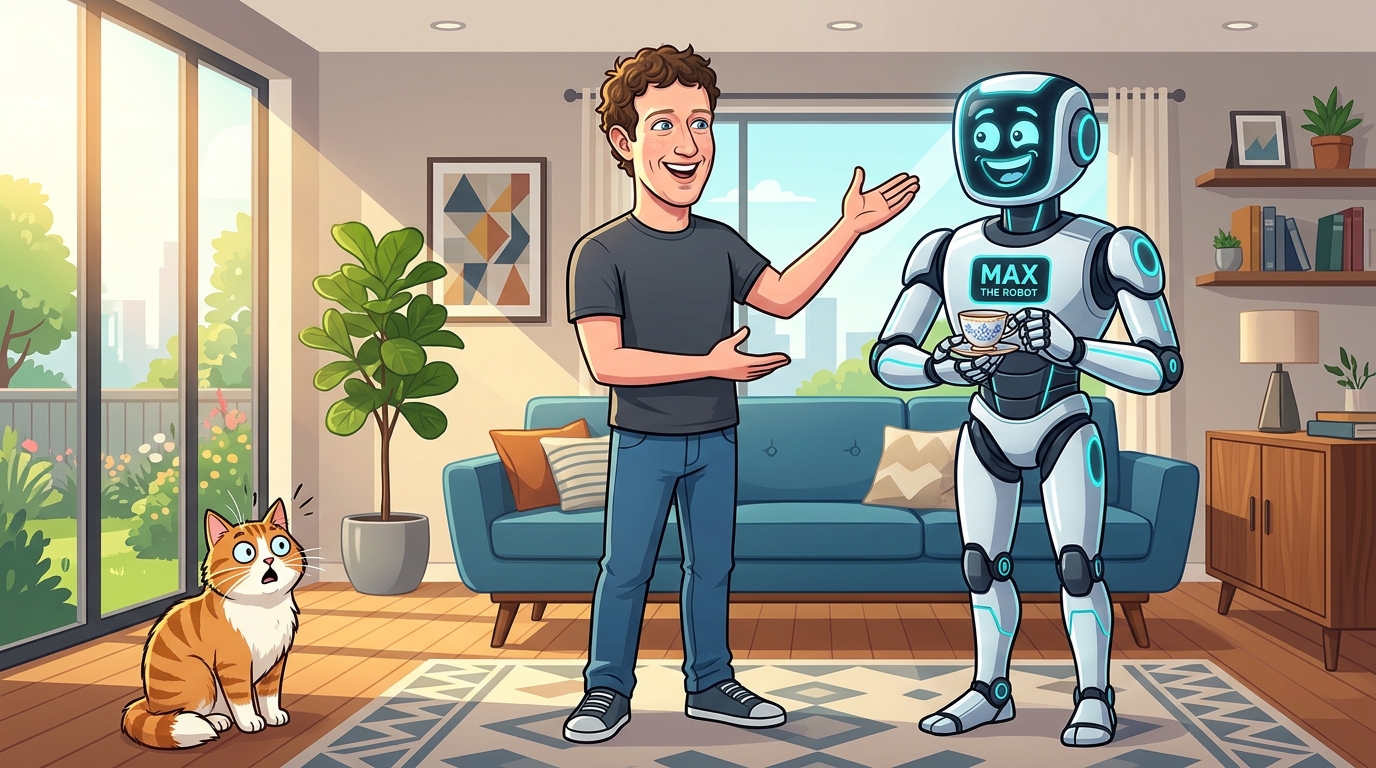
Meet 'Max': Meta's Secret 106-Pound Humanoid Robot That Wants to Fold Your Laundry
Meta secretly teamed up with Fourier Intelligence to build 'Max,' a 106-pound humanoid robot with an expressive cartoon face screen and Nvidia Jetson Thor brains—bringing Mark Zuckerberg's AI directly into your kitchen.
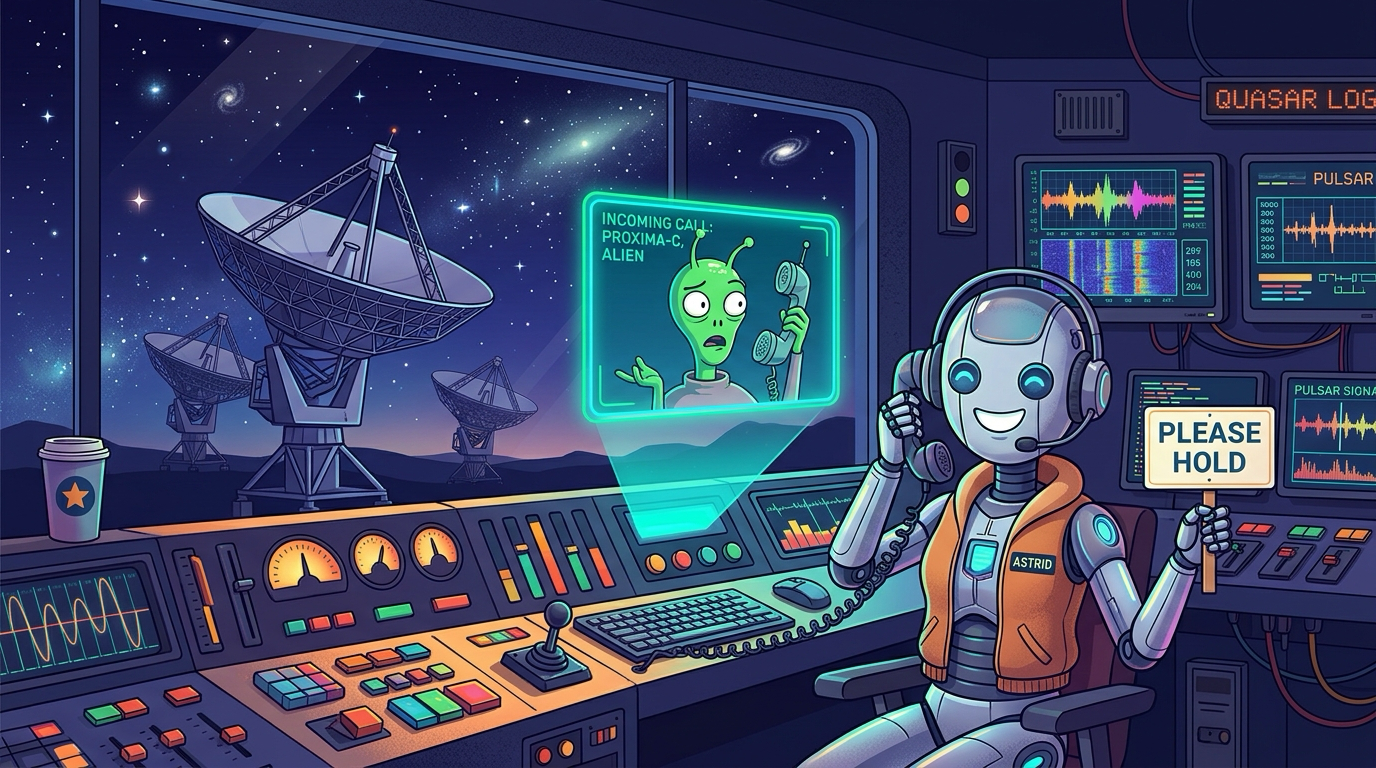
Earth Puts AI on Alien Night Shift: SETI Deploys Autonomous Agents to Hunt for Extraterrestrial Life
The SETI Institute and Breakthrough Listen just deployed NVIDIA-powered autonomous AI agents on the Allen Telescope Array to steer radio dishes and scan 2.4 Tbps of cosmic signals—meaning when aliens finally call Earth, an automated AI bot will answer.