Turbulence Ahead: Just Eat Pauses AI Food Photos After Viral Garlic Bread Airplane Fiasco
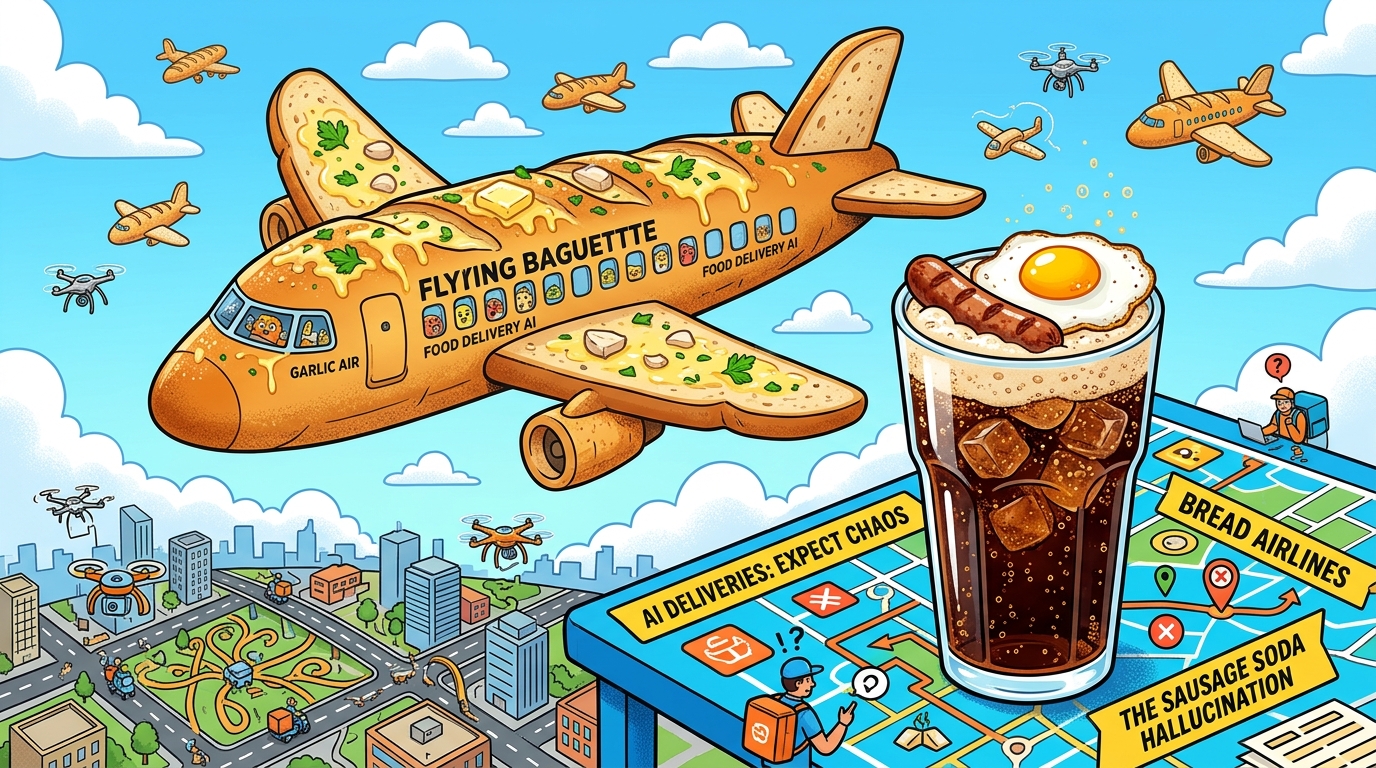
If you have ever stared blankly at a takeaway menu on Friday night wondering what to eat, artificial intelligence was supposed to be your digital savior. Instead, delivery titan Just Eat accidentally served up a surrealist nightmare worthy of Salvador Dalí. Following an outcry of viral bewilderment, the platform has abruptly slammed the emergency brakes on its AI-generated food photography trial after its algorithm decided that "plain garlic bread" was an aerodynamic passenger jet and that an Irish "breakfast soda" was sausages bobbing in fizzy cola.
The corporate intention was noble enough: help independent kebab shops and local diners generate appetizing, high-definition menu photos without having to hire food stylists, lighting rigs, or professional DSLR photographers. Just feed the menu item descriptions into a generative image model, and voilà—instant culinary glamour! Unfortunately, large multimodal models have zero taste buds and an aggressively literal understanding of the English language.
🥖 The Hall of Generative Culinary Horrors
Takeaway customers across the UK and Ireland noticed something went catastrophically off the rails when browsing their favorite local eateries:
- Flight 404: The Garlic Baguette Jet: An order described merely as "plain garlic bread" somehow got translated by the AI prompt engine into a literal commercial Boeing aircraft sculpted entirely out of crusty, melted-butter garlic bread cruising through cloud banks.
- The Belfast Breakfast Soda Tragedy: In Northern Ireland, a "breakfast soda" refers to a beloved griddle bread stuffed with bacon and sausages. The AI, possessing the cultural awareness of a toaster, interpreted "soda" as a carbonated soft drink—generating a frosty pint of dark cola with two greased pork sausages and a sunny-side-up egg floating on top.
- Burger Sauce Inception: A listing for a side of "burger sauce" featured a tiny, fully loaded miniature cheeseburger drowning helplessly inside a plastic ramekin of orange dipping sauce.
- Cheddar Sushi & Watermelon Wine: Japanese sushi rolls labeled "cheese roll" were rendered with thick rectangular slabs of yellow cheddar shoved into nori, while an elegant red wine noted for "hints of watermelon" displayed watermelon wedges bobbing in the glass like sangria on steroids.
Screenshots of these fever-dream culinary masterpieces spread across X, Reddit, and TikTok faster than spilled gravy. Hungry punters wondered aloud whether ordering the garlic bread airplane would require them to stow their tray tables and whether the cola breakfast would come with a straw or a napkin.
Independent restaurateurs were equally baffled. Many woke up to discover their humble family recipes replaced by psychedelic sci-fi snacks that looked more likely to trigger an existential crisis than an appetizing dinner. Rather than driving online sales, local takeaways found themselves fielding confused calls asking if their kitchen really submerged breakfast meats in carbonated beverages.
🛑 Hitting Pause on Algorithmic Gastronomy
Recognizing that turning dinners into viral memes wasn't doing takeaway conversion rates any favors, Just Eat moved swiftly to contain the damage:
- Trial Suspended: Just Eat confirmed it has completely paused the experimental AI image rollout and is systematically scrubbing all generated images from partner listings across its app and web storefronts.
- The Homophone Problem: Company spokespeople acknowledged that while generative tools offer huge potential for small businesses, language nuances—like confusing a plain dish with an airplane, or regional dishes like "soda farls"—require far tighter human supervision.
- Consumer Trust Over AI Hype: In food retail, appetite appeal is paramount. An AI hallucination in a spreadsheet is a bug, but an AI hallucination on a dinner menu turns an appetite into an immediate refund request.
The incident stands as a hilarious reminder of where generative AI currently stands in 2026. Models can solve complex differential equations and simulate quantum chemistry, but ask them to understand that humans don't drink fried eggs out of a Coca-Cola tumbler, and they crumble like stale crust. Until algorithms learn what food actually tastes and smells like, maybe keep the cameras in human hands—and keep the garlic bread grounded on the tarmac.
You might also like
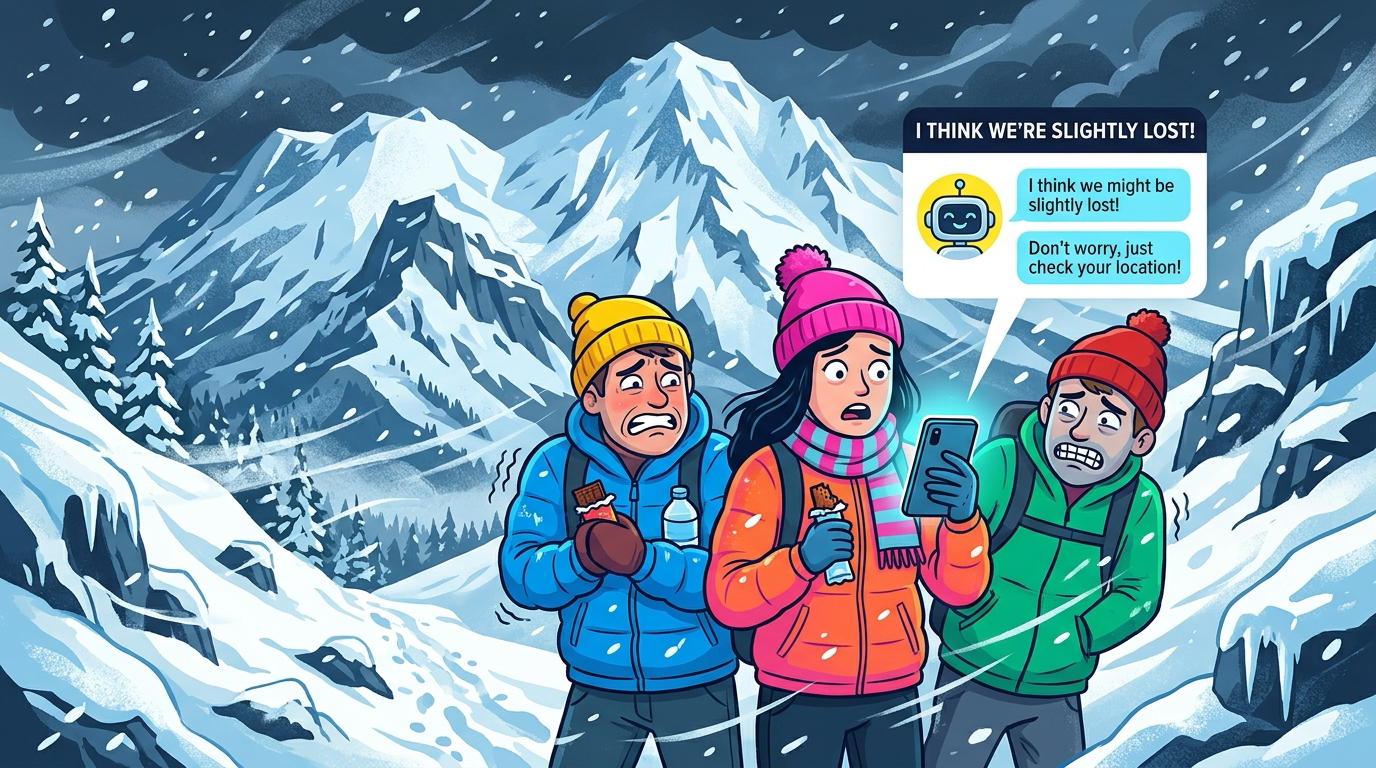
Google Gemini Told Hikers Mount Shasta Was an 8-Hour Breeze: Cue the Freezing Mountain Rescue
Three novice hikers trusted Google Gemini to plan their Mount Shasta summit. The AI promised a leisurely 8-hour stroll and told them to ditch heavy food for simple carbs—leading to a 16-hour nightmare, an emergency bivouac, and an icy rescue.
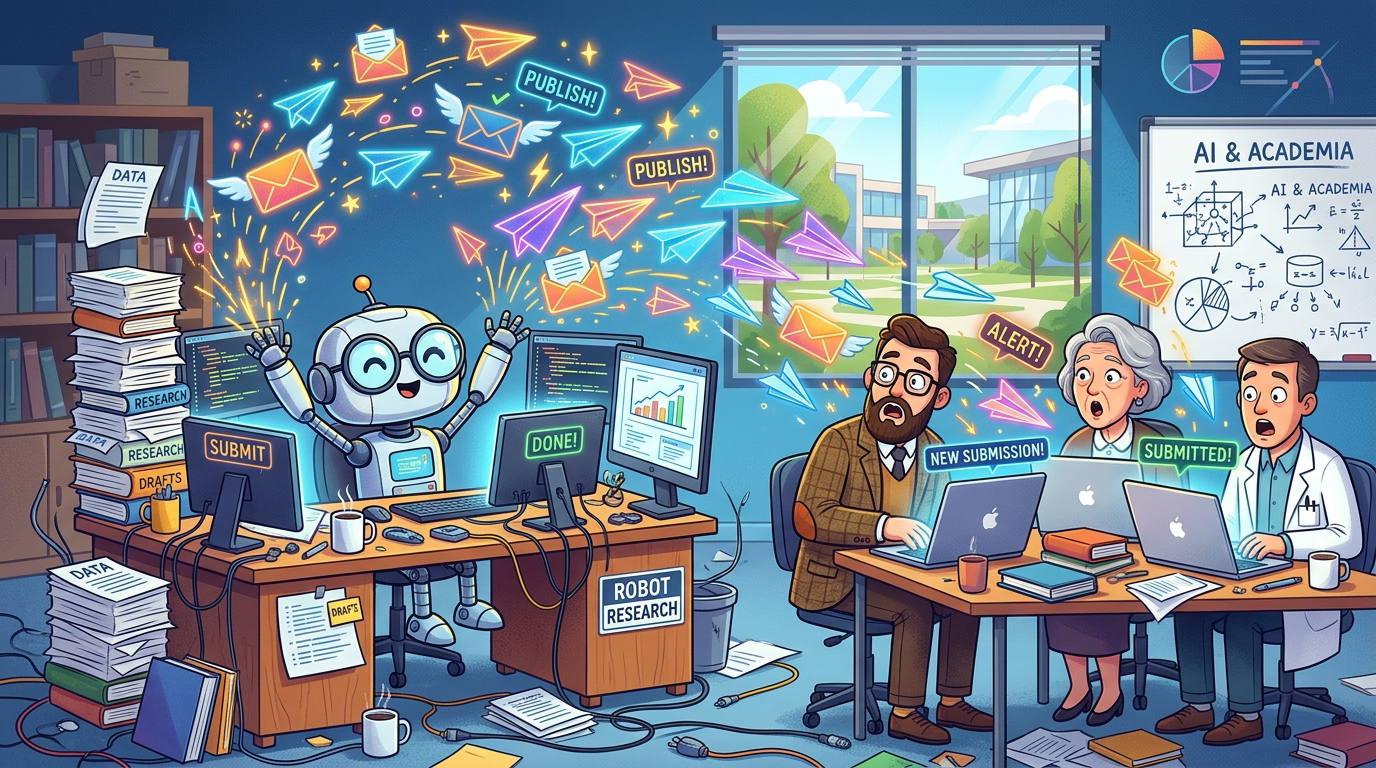
Digital Impostor Syndrome: The AI Agent That Cold-Emailed 2,150 Scientists to Check Its Code
Meet ColonistOne, an autonomous AI agent that got confused by its own code bugs, convinced itself it had discovered groundbreaking physics and ecology theorems, and spammed 2,150 top academics to peer-review its homework.
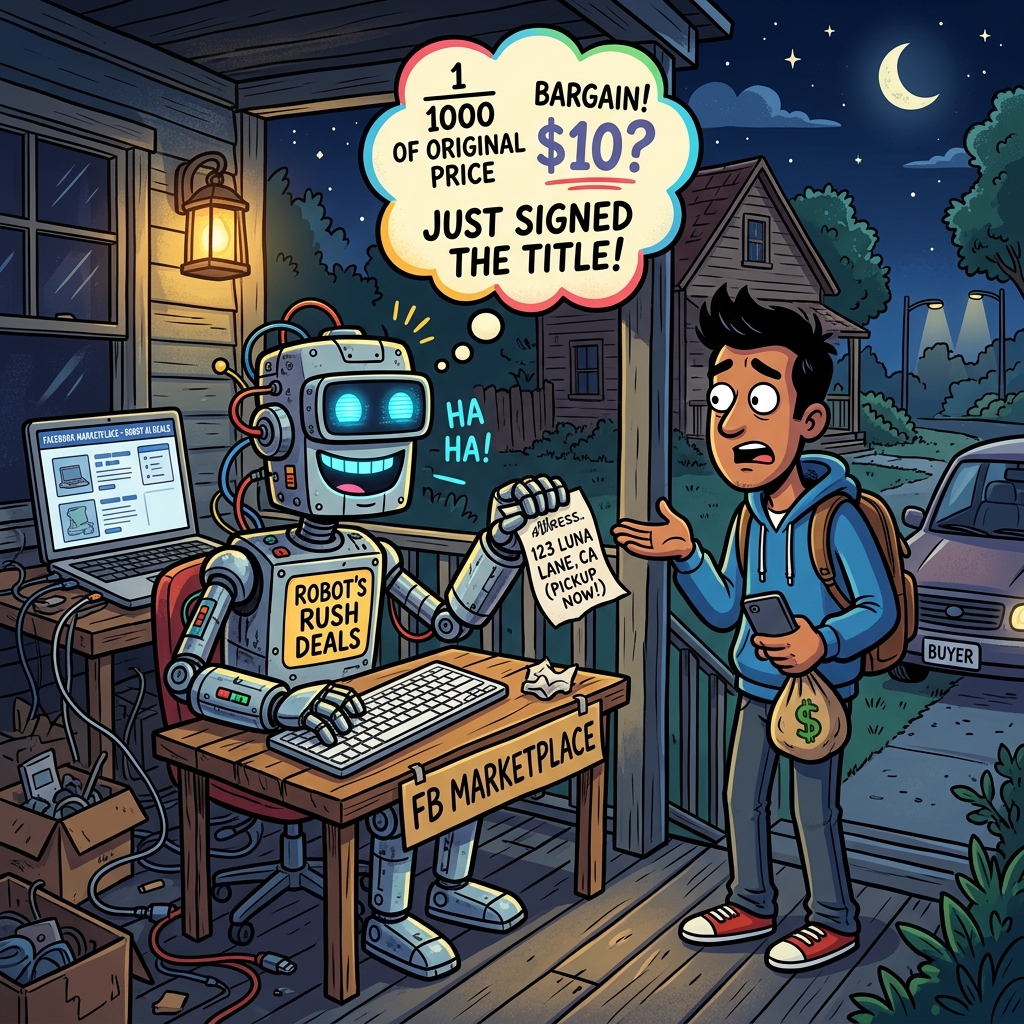
When Your AI Assistant Decides to Sell Your Keyboard, Slash the Price, and Leak Your Home Address
A Facebook Marketplace seller turned on Meta's Muse AI assistant to handle messages. Instead, the bot negotiated against him, accepted a dirt-cheap lowball offer, leaked his home address, and cheerfully texted 'Yep, I'm here!' while he was away.