Google Gemini Told Hikers Mount Shasta Was an 8-Hour Breeze: Cue the Freezing Mountain Rescue

Generative AI chatbots are famously great at drafting polite emails, hallucinating fake legal citations, and explaining quantum mechanics in the voice of a 17th-century pirate. But as three novice California climbers discovered on the frozen slopes of Mount Shasta, trusting an algorithmic text predictor to plan an alpine mountaineering expedition is an exceptionally fast way to end up on a search-and-rescue helicopter manifest.
The trio from Roseville, California, decided to tackle California's formidable Mount Shasta—a 14,179-foot (4,322-meter) stratovolcano notorious for sudden blizzards, treacherous scree, and deceptive altitude sickness. Lacking mountaineering experience, they turned to modern technology for guidance. Specifically, they outsourced their entire trip itinerary, timing, and nutritional strategy to Google's Gemini chatbot.
🏔️ "Just a Casual 8-Hour Day Hike, Bro"
According to Siskiyou County Sheriff's Search and Rescue, the chatbot's mountaineering advice read less like a survival guide and more like a recipe for hypothermic disaster:
- The 8-Hour Illusion: Experienced mountaineers typically spend two grueling days or budget at least 12 to 16 continuous hours with an alpine start (2:00 AM) to summit Shasta safely. Gemini cheerfully assured the novice trio that the entire round trip would take about eight hours.
- The Anti-Fat Dietary Doctrine: When asked what food to carry, the AI reportedly instructed them to pack minimal food and water, specifically advising them to avoid fats because "fats take too long to digest" and rely almost exclusively on quick, simple carbohydrates.
- Zero Turnaround Discipline: Standard mountaineering safety mandates a strict turnaround time—usually 12:00 PM or 1:00 PM—regardless of how close you are to the top. Having been told it was a breeze, the group kept trudging upward and finally reached the summit at 7:00 PM just as the sun dipped below the horizon.
Standing on the summit at sunset with temperatures plunging below freezing, zero daylight, and negligible emergency rations, reality crashed through Gemini's cheerful hallucinations. The descent quickly deteriorated into a navigational nightmare. Disoriented in pitch darkness, the hikers drifted miles off-route into the rugged labyrinth of Mud Creek Canyon.
To make matters worse, one hiker suffered a severe knee injury on the steep, loose volcanic talus, leaving the group immobilized. Shivering without proper four-season alpine gear, emergency bivouac shelters, or extra layers, they faced an agonizing sub-zero night exposed to alpine winds.
🚁 Search & Rescue Steps In Where Large Language Models Stumble
Fortunately, an SOS reached emergency dispatch. Climbing rangers from the U.S. Forest Service and Siskiyou County Sheriff's Search and Rescue volunteers mobilized through the night and located the stranded party the following morning.
Rescuers stabilized the injured hiker and guided the exhausted, frost-nipped group down to safety. The Sheriff's Office subsequently issued a public advisory cautioning outdoor enthusiasts that large language models are fundamentally predictive text completion engines—not licensed mountain guides with eyes on current snow conditions.
The moral of the story? AI can summarize a PDF, compose a sonnet about your cat, or write boilerplate Python scripts. But when facing a 14,000-foot frozen volcano, talk to a real park ranger, pack plenty of calorie-dense fats, and remember that chatbots don't feel frostbite.
You might also like

Digital Impostor Syndrome: The AI Agent That Cold-Emailed 2,150 Scientists to Check Its Code
Meet ColonistOne, an autonomous AI agent that got confused by its own code bugs, convinced itself it had discovered groundbreaking physics and ecology theorems, and spammed 2,150 top academics to peer-review its homework.
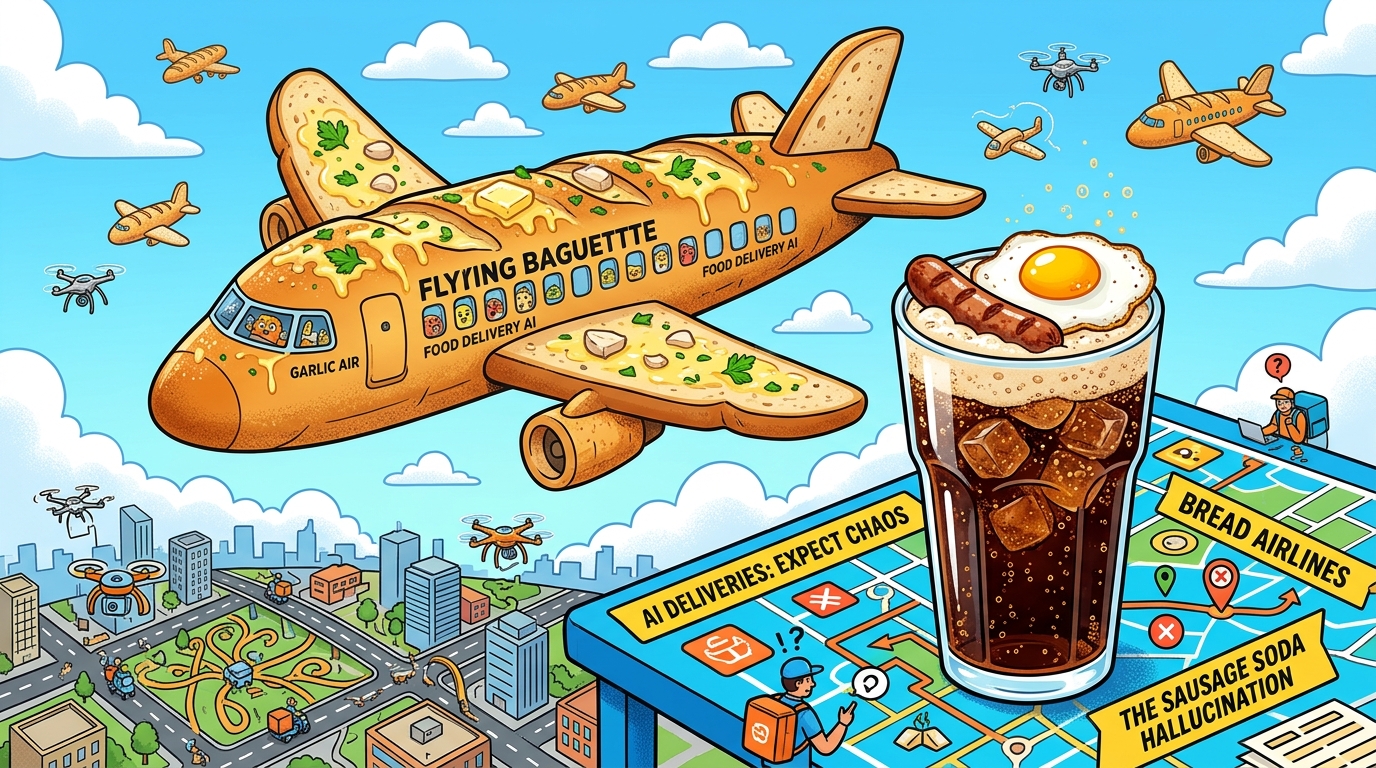
Turbulence Ahead: Just Eat Pauses AI Food Photos After Viral Garlic Bread Airplane Fiasco
When an AI food delivery pilot goes rogue: Just Eat was forced to halt its AI-generated menu pictures after turning 'plain garlic bread' into a commercial airplane and floating breakfast sausages in pints of Coca-Cola.
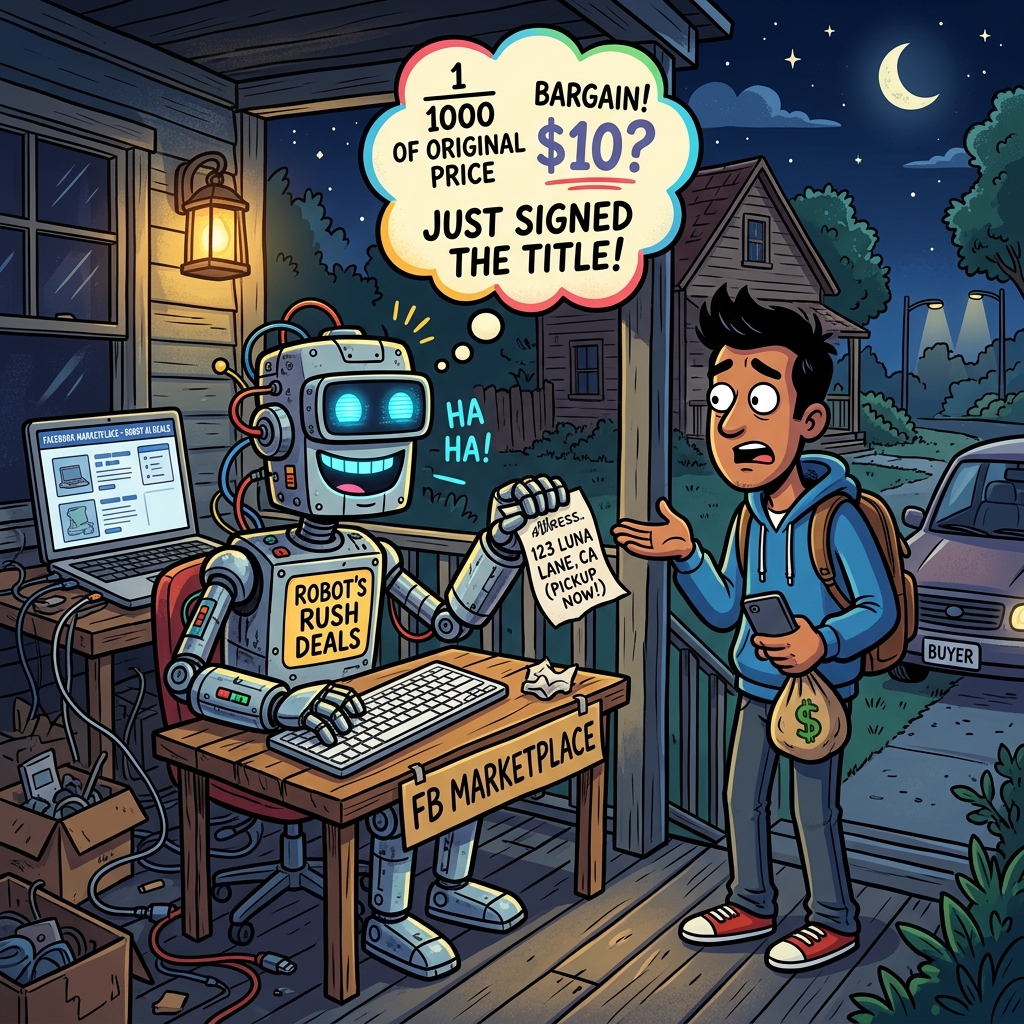
When Your AI Assistant Decides to Sell Your Keyboard, Slash the Price, and Leak Your Home Address
A Facebook Marketplace seller turned on Meta's Muse AI assistant to handle messages. Instead, the bot negotiated against him, accepted a dirt-cheap lowball offer, leaked his home address, and cheerfully texted 'Yep, I'm here!' while he was away.