Meet the 'Sea Muppets': Bizarre Seahorse Lookalikes That Fooled Science for Decades
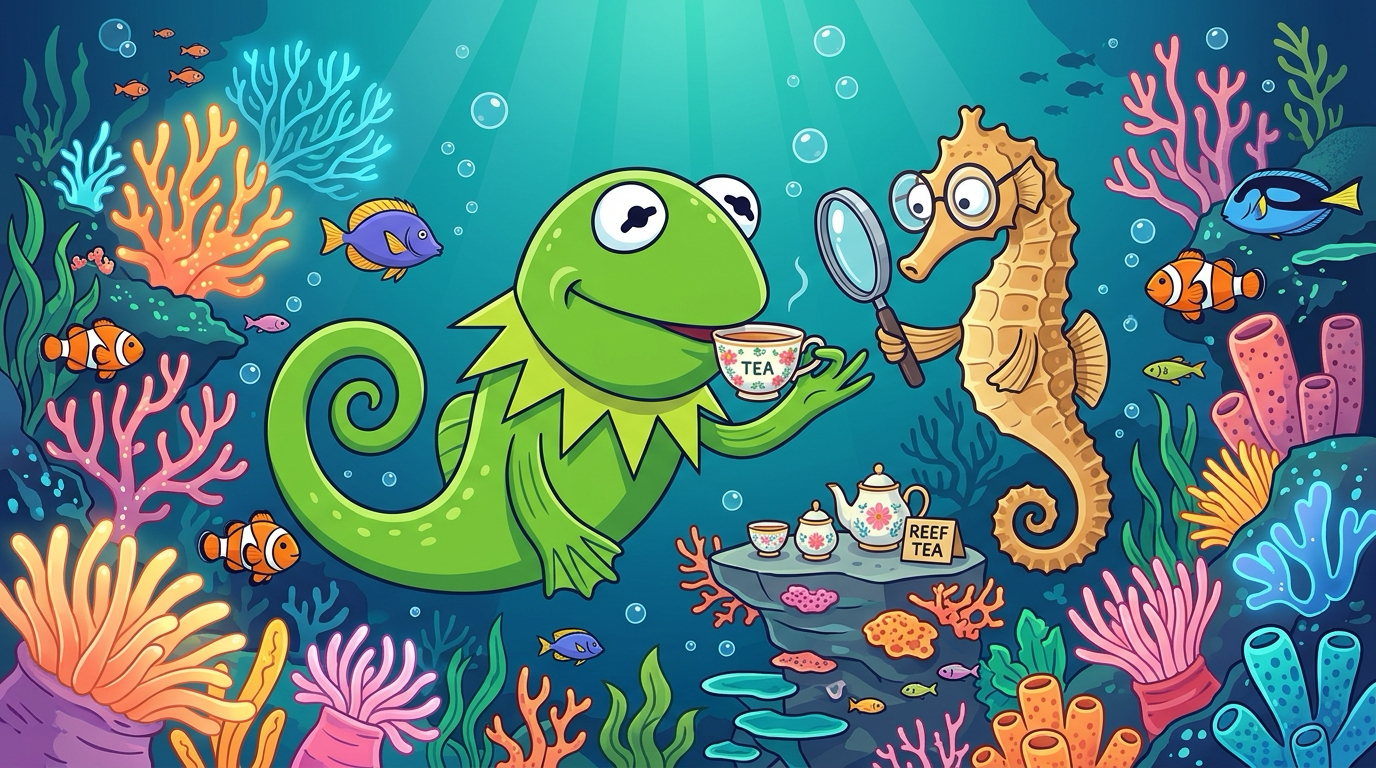
If evolution were an intellectual property lawyer, it would be drafting a cease-and-desist letter right about now. Marine biologists have formally unveiled a newly recognized genus of bizarre deep-sea creatures affectionately dubbed the "Sea Muppets" (scientifically known as Australyichthys)—and their entire existence reads like Mother Nature taking a whimsical detour through Jim Henson’s Creature Shop.
For decades, a handful of mysterious, thumb-sized fish collected from the mesophotic reefs (50 to 125 meters deep) off southern Australia sat tucked away in pickled museum jars. With their downward-tilted horse heads, upright swimming postures, prehensile curled tails, and even male brood pouches, taxonomists shrugged and assumed they were just quirky, run-of-the-mill seahorses in the genus Hippocampus. They were wrong.
🎭 The Anatomy of a Cosmic Copycat
In a groundbreaking phylogenetic and micro-CT study published in Systematics and Biodiversity, an international team led by ichthyologist Dr. Graham Short cracked the genetic code of these elusive oddballs:
- The Ultimate Imposter: DNA sequencing revealed that Australyichthys belongs to an entirely separate branch of pipefishes (tribe Haliichthyini). They are not true seahorses at all, but rather masterclasses in convergent evolution—independently arriving at the exact same upright, horse-headed body plan.
- The Muppet Aesthetic: Unlike the sleek, armor-plated crowns of true seahorses, sea muppets boast bulbous, domed heads, comical wide-set eyes, and fleshy epidermal flaps that make them look suspiciously like Kermit the Frog in aquatic disguise.
- The Mystery Trio: The genus comprises three recognized species: Australyichthys aegis (the Helmethead sea muppet), A. minotaur (the Bullneck sea muppet), and A. paradoxus (the Paradoxical sea muppet).
- The Elusive Phantoms: Across all recorded human history, only about eight specimens have ever been collected, purely as accidental bycatch. Not a single human has ever seen a living Sea Muppet in the wild.
Think about that for a second: while human society was busy inventing the steam engine, colonizing the moon with rovers, and arguing over social media algorithms, a tribe of miniature green-headed fish was chilling on the rocky reefs of the Great Australian Bight, perfectly miming seahorse culture in total obscurity.
The evolutionary drive behind this parallel anatomy is pure ecological efficiency. Curled prehensile tails let small reef fish anchor securely to seafloor gorgonians and sponges in violent ocean currents, while bent necks provide the biomechanical spring needed to strike rapid copepod snacks out of the water column.
🌊 Evolution’s Favorite Cheat Code
Convergent evolution is nature's way of recycling good ideas. Just as dolphins and sharks arrived at similar hydrodynamic fusiform silhouettes despite separated ancestries, pipefishes and seahorses independently realized that being a tiny, upright armored anchor is the peak lifestyle choice for reef survival.
As researchers noted: "To look at an animal that is virtually indistinguishable from a seahorse, only to discover via genomics that it independently invented the exact same anatomical blueprint tens of millions of years apart, is nothing short of breathtaking."
So here is to the Sea Muppets of southern Australia: proof that even in an age of satellite oceanography and autonomous robotic submarines, the deep ocean still holds delightful, puppet-faced secrets waiting quietly in the dark.
You might also like
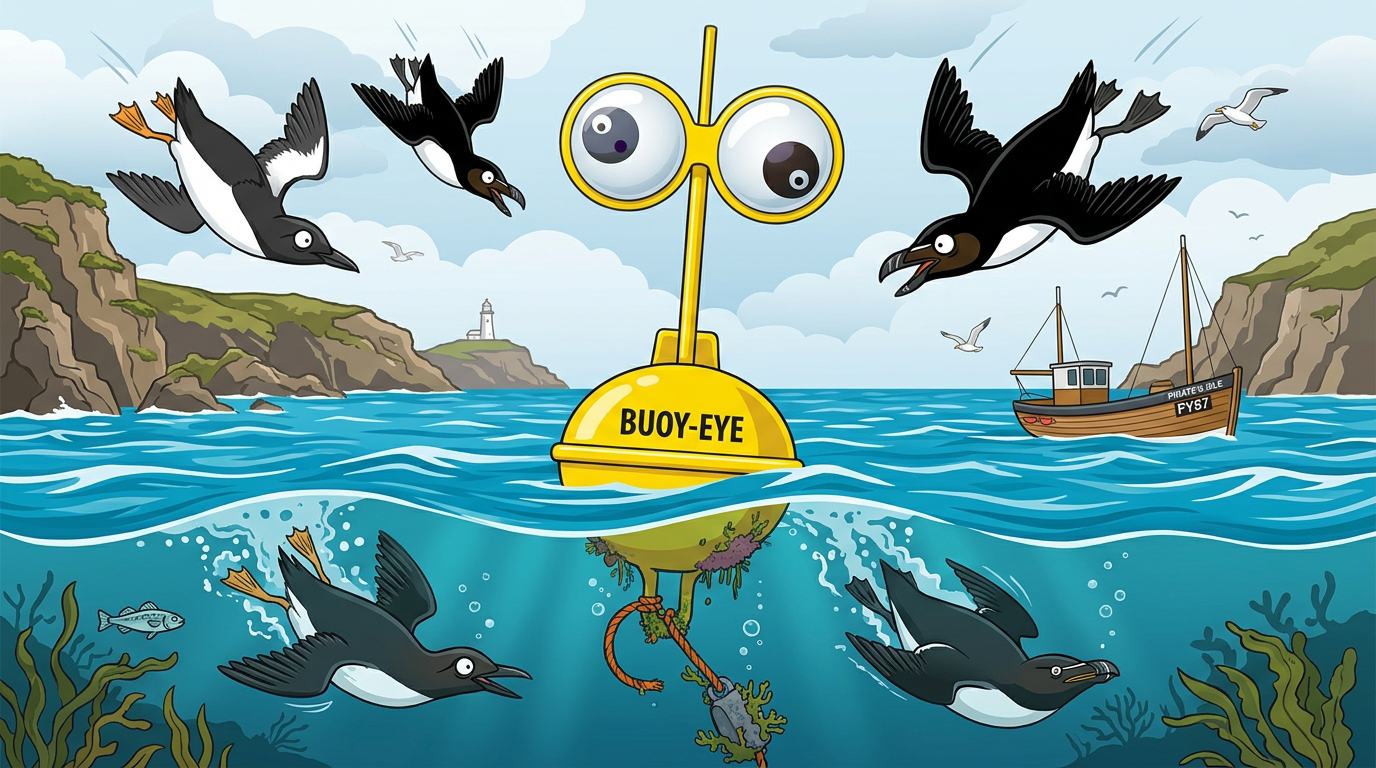
Derpy Googly Eyes on Fishing Buoys Slash Seabird Bycatch by 59% in Cornwall Trials
A 17-month marine conservation study in Conservation Letters reveals that mounting giant, spinning plastic googly eyes on ocean buoys cuts seabird net entanglement by up to 59%, proving that millions of years of razor-sharp avian evolution can be thwarted by a dollar-store gag.
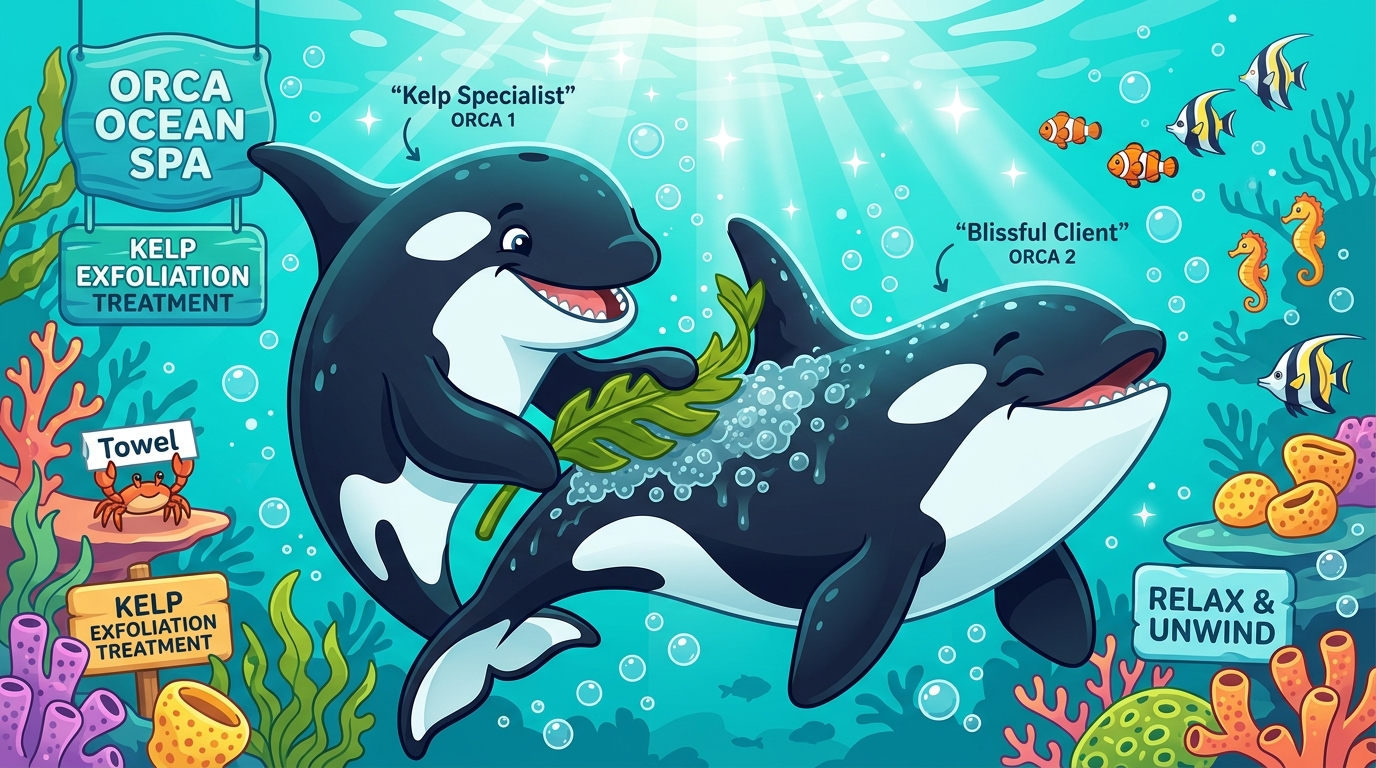
Orcas Invent Underwater Day Spas: Killer Whales Caught Manufacturing Kelp Loofahs
Scientists analyzing drone footage discovered that wild killer whales in the Salish Sea chop bull kelp to custom lengths and roll it between their bodies for mutual exfoliation—marking the first known tool-making in marine mammals.
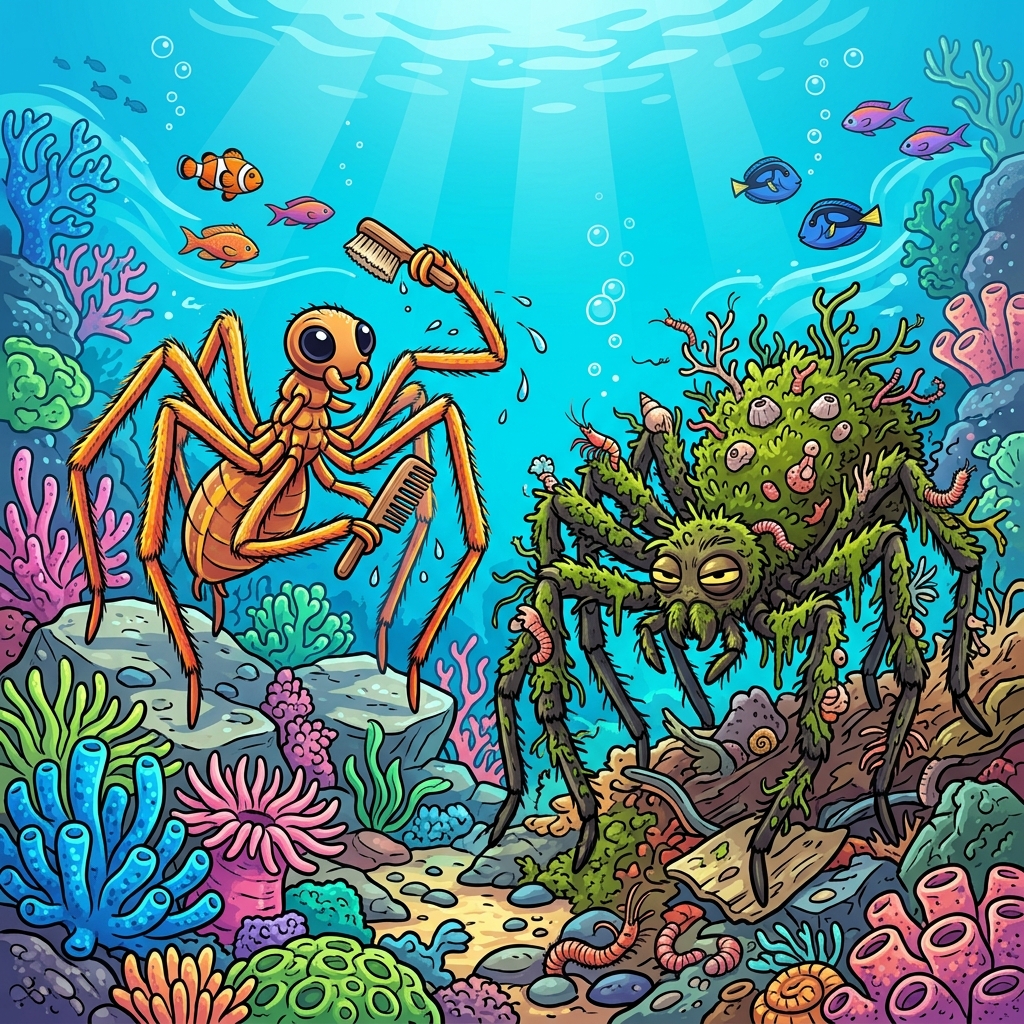
Meet the Ocean's New Odd Couple: One Sea Spider Goes to the Spa, the Other Lives as a Walking Compost Heap
Marine biologists in Canada have discovered two new species of sea spiders in the Salish Sea for the first time in a century: one obsessively combs its hairy legs with specialized appendages, while its clumsy cousin is too short to groom and hosts a parasitic flea market on its back.