Meet Infernogallus: The 66-Million-Year-Old 'Hell Chicken' That Ate Fruit Like a Parrot
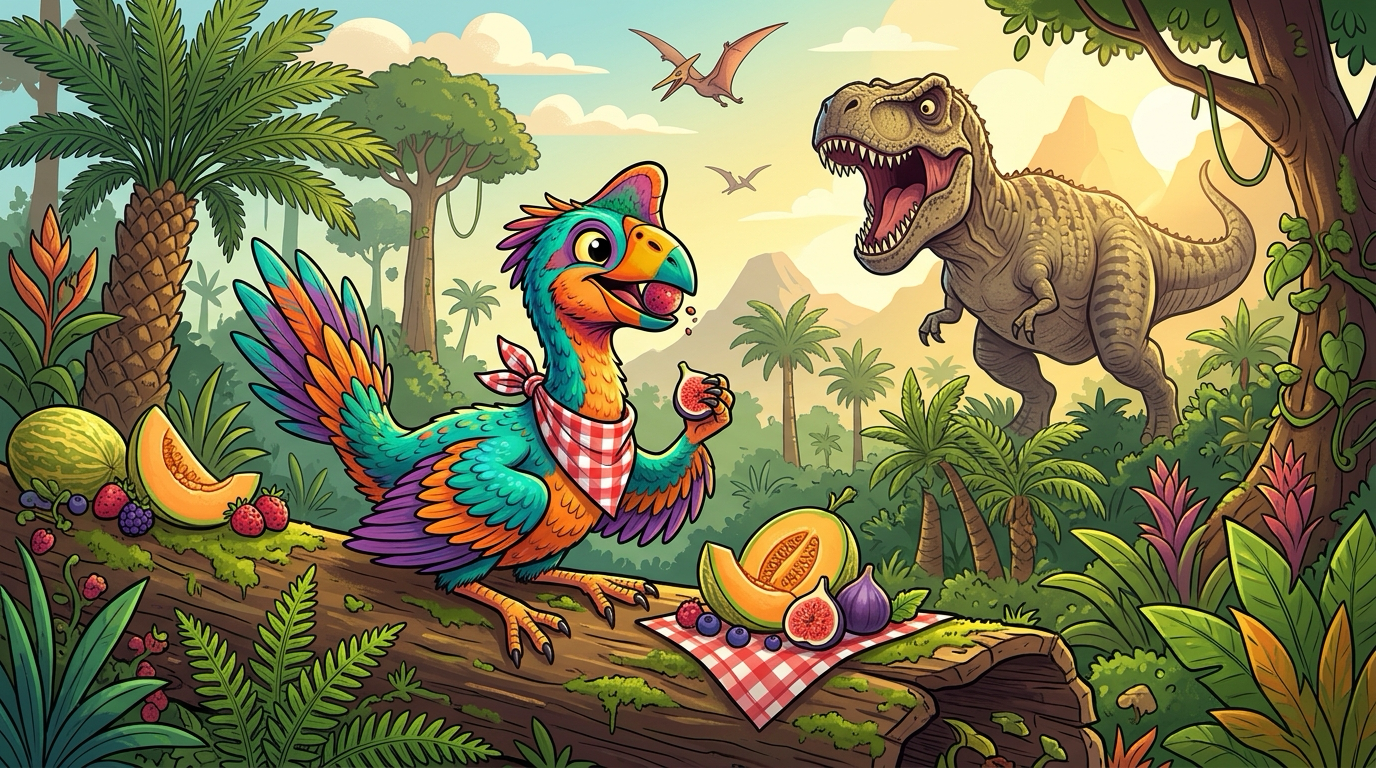
When scientists name a prehistoric beast from the famous Hell Creek badlands with the prefix Inferno-, you instinctively imagine a 40-foot apex predator dripping with venom, razor talons, and a bad attitude. Mother Nature, however, has an impeccable sense of comedic timing: meet Infernogallus jamesi, a feathered, turkey-sized dinosaur that chose the vegan smoothie bowl lifestyle in the middle of a Cretaceous war zone.
Formally described by a paleontological team led by Dr. Gregory Funston and Dr. David Evans, Infernogallus jamesi (literally translating to "James's Hell Chicken") belonged to the caenagnathids—an enigmatic lineage of bird-like oviraptorosaurs that roamed North America roughly 66 million years ago, right up until the Chicxulub asteroid ended the party.
🍗 Anatomy of a Mesozoic Berry Connoisseur
Until now, caenagnathid skulls were paleontological ghost stories, largely known from fragmented bone shards and crushed lower jaws. The discovery of a nearly complete, beautifully articulated skull changed everything:
- The Parrot Jaw Mechanism: High-resolution micro-CT imaging revealed that Infernogallus possessed a revolutionary jaw joint that allowed front-to-back (anteroposterior) sliding movements of the lower mandible—strikingly identical to modern fruit-eating parrots.
- Weight Class: Tipping the scales at a modest 12 kilograms (about 26 pounds), this feathered resident was roughly the size of a Thanksgiving turkey, making it an appetizer-sized bystander among giants.
- Cretaceous Fruit Revolution: Its evolutionary arrival synchronized precisely with the explosive rise of angiosperms (flowering plants) producing fleshy, sugary fruits, turning Infernogallus into one of Earth's first dedicated seed-dispersing gardeners.
- Neighborhood Hazards: Living in the Hell Creek ecosystem meant foraging for berries while actively avoiding 9-ton Tyrannosaurus rex patrols and angry herds of *Triceratops*.
For decades, researchers puzzled over what caenagnathids actually ate. With their toothless beaks and slender frames, theories ranged from hunting small lizards to cracking open freshwater clams or raiding other dinosaurs' nests for eggs. The newly discovered skull puts the debate to rest: Infernogallus was an unapologetic frugivore, using its specialized shearing beak to mash prehistoric figs, berries, and palm nuts.
In essence, while the rest of the Cretaceous fossil record was engaged in an arms race of bone-crushing bite forces and spiked armor frills, this plucky "hell chicken" figured out that plants were willing to bribe animals with sweet fructose.
🍇 The Unbothered King of Hell Creek
Paleontologists have marveled at how specialized dietary niches allowed smaller dinosaurs to thrive in ecosystems dominated by colossal predators:
As one researcher humorously pointed out: "Imagine living in a horror movie where six-ton carnivorous bipeds roar past your nest every afternoon, and your primary daily life goal is finding the crispiest, juiciest ancient persimmon."
So here's to Infernogallus jamesi: proof that even in the most lethal, predator-choked environment in Earth's history, there was always room for a feathered bird-cousin who just wanted a peaceful fruit snack.
You might also like
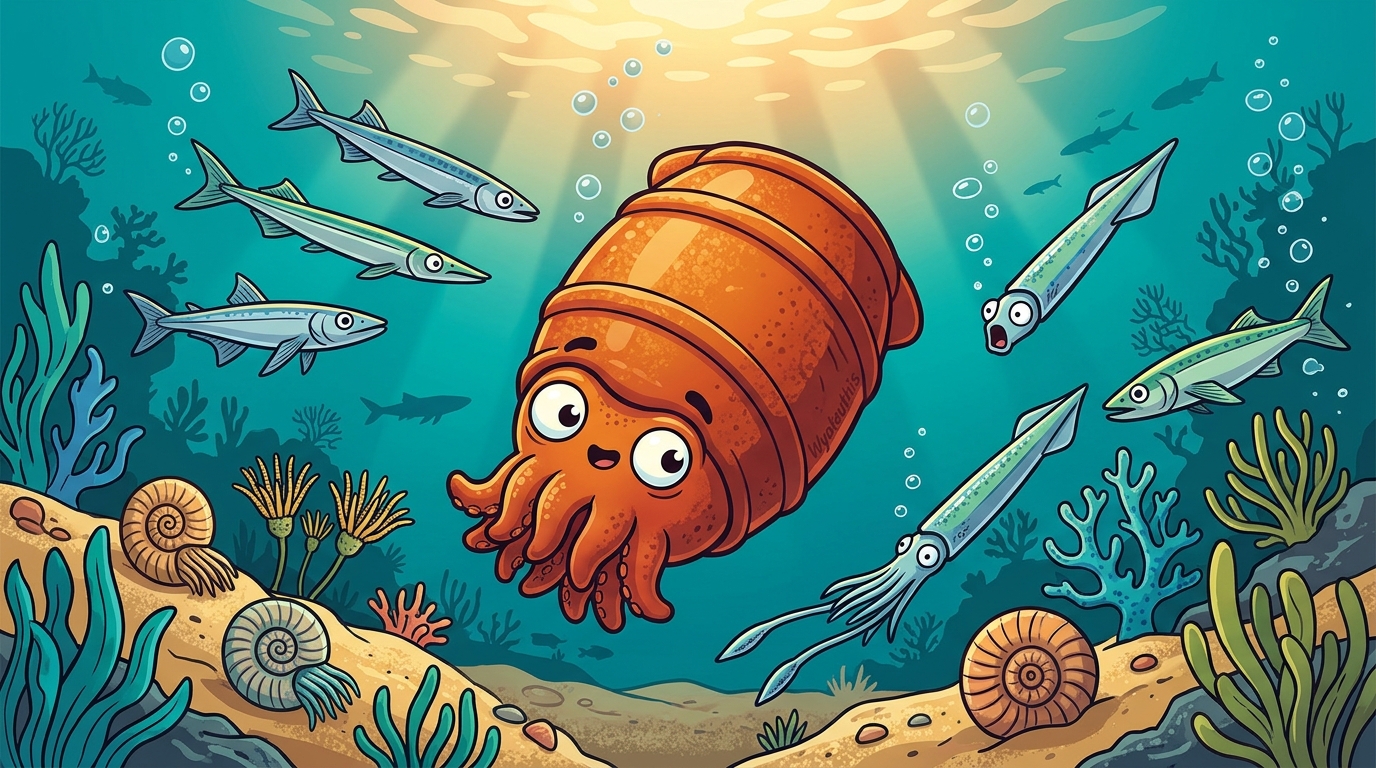
Meet Wyoteuthis: The Chunkiest 160-Million-Year-Old Jurassic Squid Built Like a Floating Beer Keg
Forget sleek, hydrodynamic prehistoric ocean predators. Paleontologists in Wyoming have formally unveiled Wyoteuthis linsterorum, an extinct Jurassic cephalopod whose 6 cm-wide barrel-shaped internal skeleton makes it the roundest, chubbiest squid relative ever unearthed.
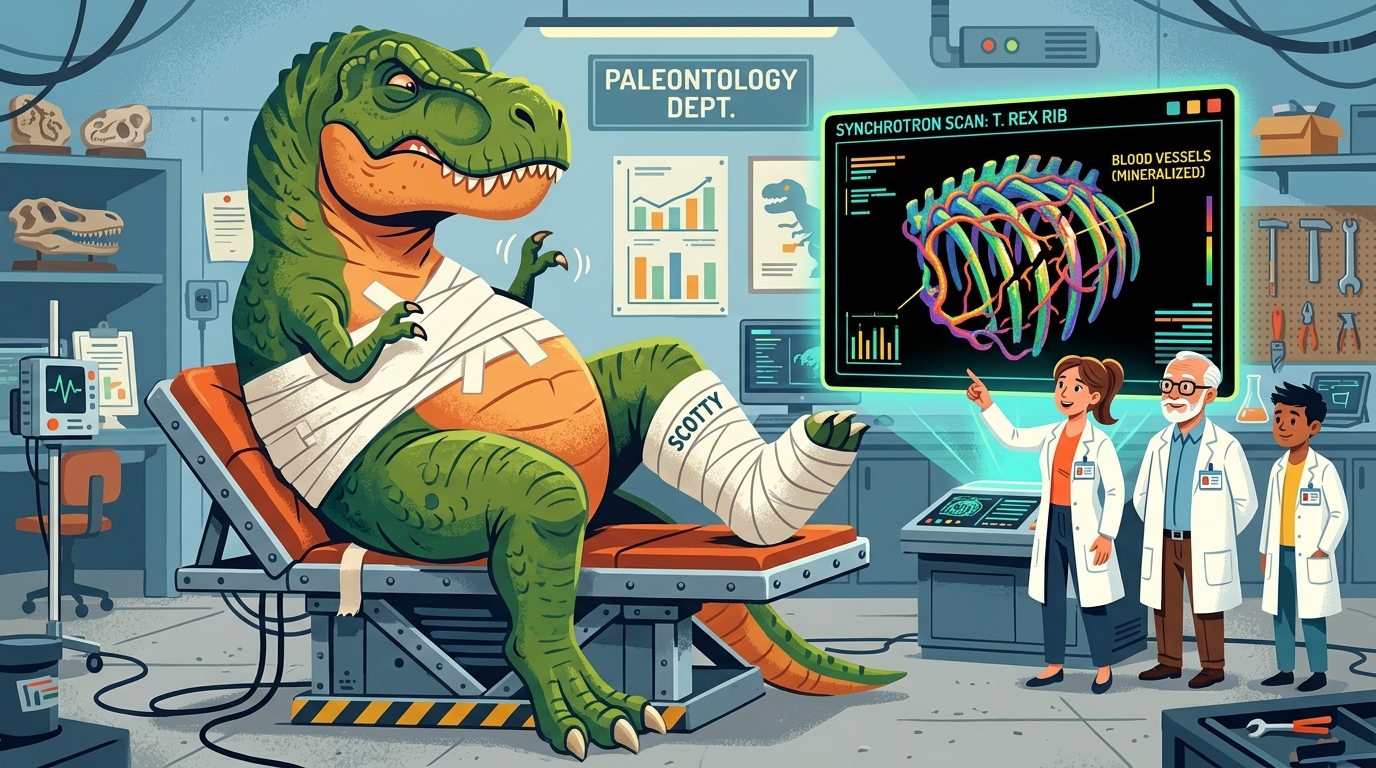
Even a 9-Ton T. Rex Needed Sick Days: 66-Million-Year-Old Blood Vessels Found in Broken Bone
Canadian physicists used particle accelerators to inspect the broken rib of Scotty—the world's largest Tyrannosaurus rex—and discovered 3D mineralized blood vessels that were actively nursing the apex predator back to health.
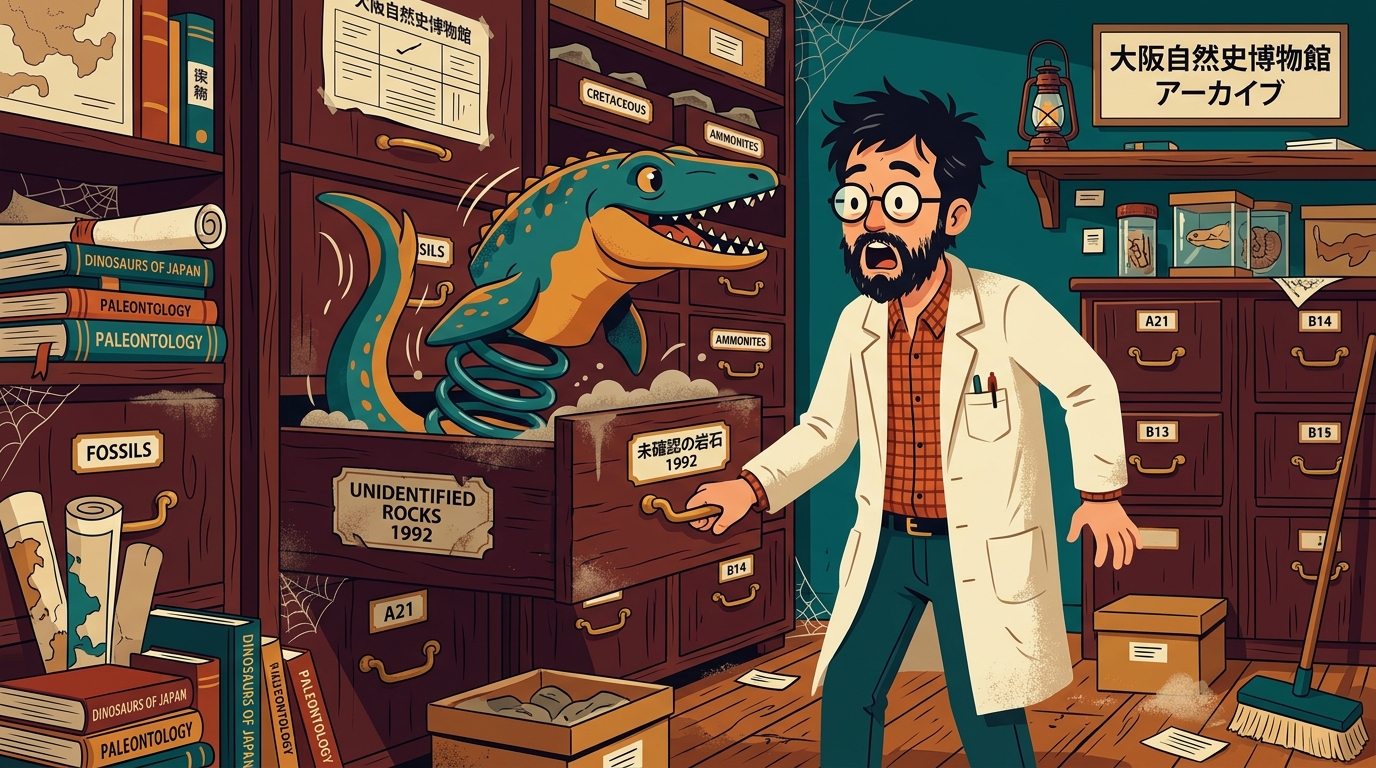
Scientists Opened a 30-Year-Old Museum Drawer in Osaka and Found a Brand New Sea Monster
A chunk of Cretaceous rock stored in the Osaka Museum of Natural History since 1992 was finally prepped and CT-scanned—revealing Japan's first confirmed mosasaur premaxilla jaw bone and a brand new prehistoric apex predator.