Startup Wants to Sell Sunlight at Night, Tests It by Blinding Sleeping California Mountain Towns
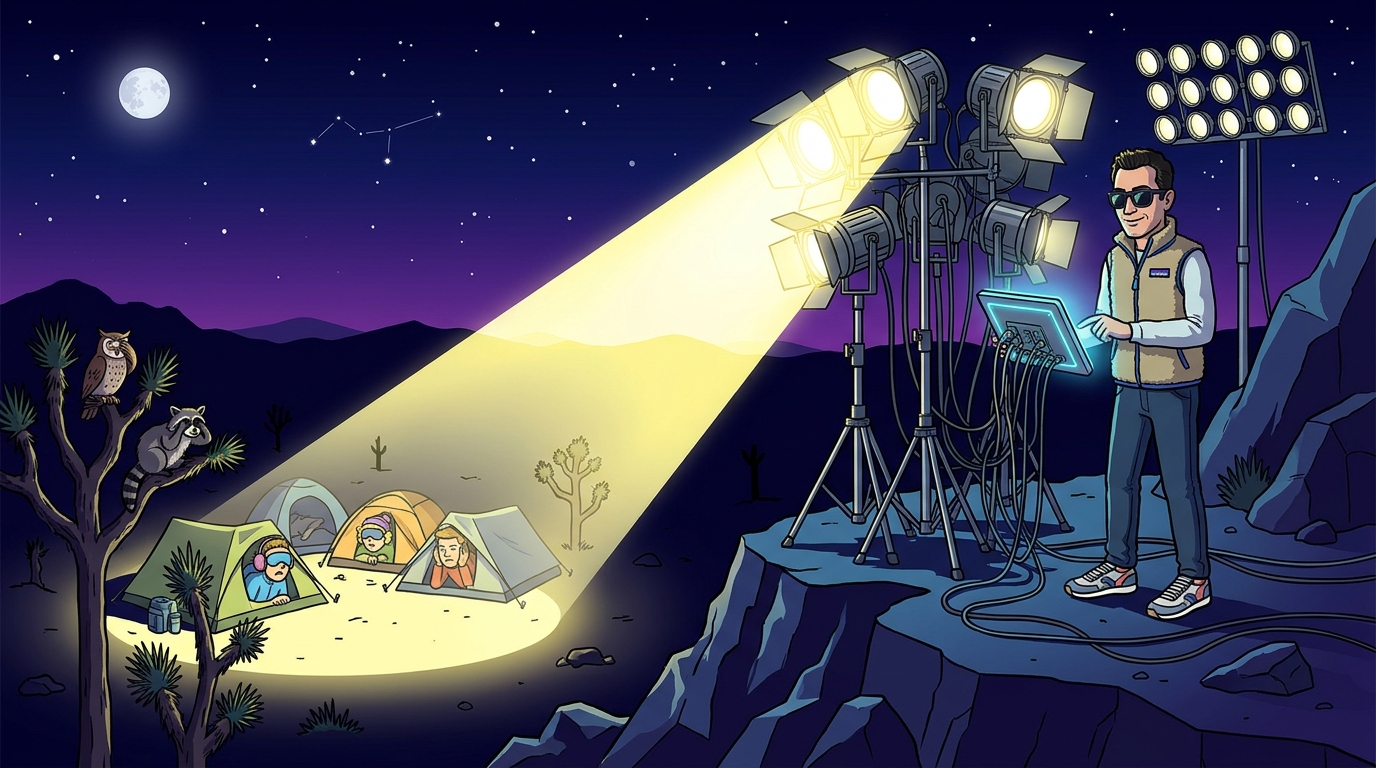
If there is one thing humanity has universally agreed upon for the past three hundred thousand years, it is that nighttime is meant for sleeping, stargazing, and contemplating bad life choices in comfortable darkness. Leave it to Silicon Valley venture capital to look up at the moon and declare: "This free subscription needs a paid premium upgrade."
Enter Reflect Orbital, a California aerospace startup with a grand celestial ambition: selling "sunlight-as-a-service." The company envisions deploying constellations of low-Earth orbit satellites equipped with massive 59-foot reflective Mylar mirrors. By tilting these mirrors at precise orbital angles, Reflect Orbital plans to bounce concentrated solar beams down into darkness, illuminating solar farms after sunset, aiding emergency search-and-rescue teams, and presumably eliminating melatonin from the biosphere forever.
🔦 The High-Altitude Midnight Laser Tag
Before launching hundreds of orbital mirrors into the heavens, every self-respecting startup needs a proof of concept. But rather than testing quietly in a warehouse, Reflect Orbital decided to take the party straight to the Eastern Sierra Nevada mountains:
- The Rig: Hauling industrial-grade, generator-powered mobile spotlights up Horseshoe Meadows Road near Mount Whitney—one of the darkest, most pristine night-sky corridors in North America.
- The Target: Aiming blinding mega-watt beams directly down into Owens Valley, Lone Pine, and the Alabama Hills to simulate the brightness of an artificial full moon.
- The Rescue Partners: Teaming up with the China Lake Mountain Rescue Group to see if nighttime search teams could spot hikers bathed in synthetic mountain glare.
- The Reaction: Local stargazers, campers, and desert wildlife waking up at midnight wondering if aliens had finally arrived—or if their quiet desert town had been converted into an unauthorized outdoor football stadium.
The field test triggered instant bewilderment and outrage across California's dark-sky communities. Local residents in Lone Pine and Independence reported sudden glaring beams sweeping across dark valleys, blinding drivers on rural mountain passes, and turning undisturbed wilderness into a sci-fi interrogation set. Search-and-rescue volunteers themselves provided lukewarm reviews, noting that harsh artificial spotlighting cast long, disorienting shadows that made navigating rugged terrain harder rather than easier.
Meanwhile, astronomers and environmentalists have sounded the alarm over the broader vision. Thousands of reflective satellites cruising through orbit would not only sabotage ground-based telescopes and deep-sky astrophotography, but also wreak havoc on nocturnal bird migration, bat echolocation, and the delicate rhythms of desert ecosystems that rely on true biological night.
🛰️ Sunlight-as-a-Service: Can We Opt Out?
The FCC has already approved initial licensing for Reflect Orbital to launch a technology-demonstration satellite into orbit. But the mountain stunt has turned what sounded like speculative sci-fi into an urgent legal and philosophical debate:
As one exasperated desert camper remarked online: "I pay taxes, I bought blackout curtains, and I sleep in a tent in the middle of nowhere to escape screens. If a billionaire beams ads or daytime into my sleeping bag at 3 AM, I am learning surface-to-air laser defense."
Whether orbital sun-reflectors become the future of 24/7 solar clean energy or end up in the dustbin of dystopian startup experiments, one thing is certain: if you plan to go camping under California's night sky this year, don't forget your SPF 50 sunscreen along with your flashlight.
You might also like
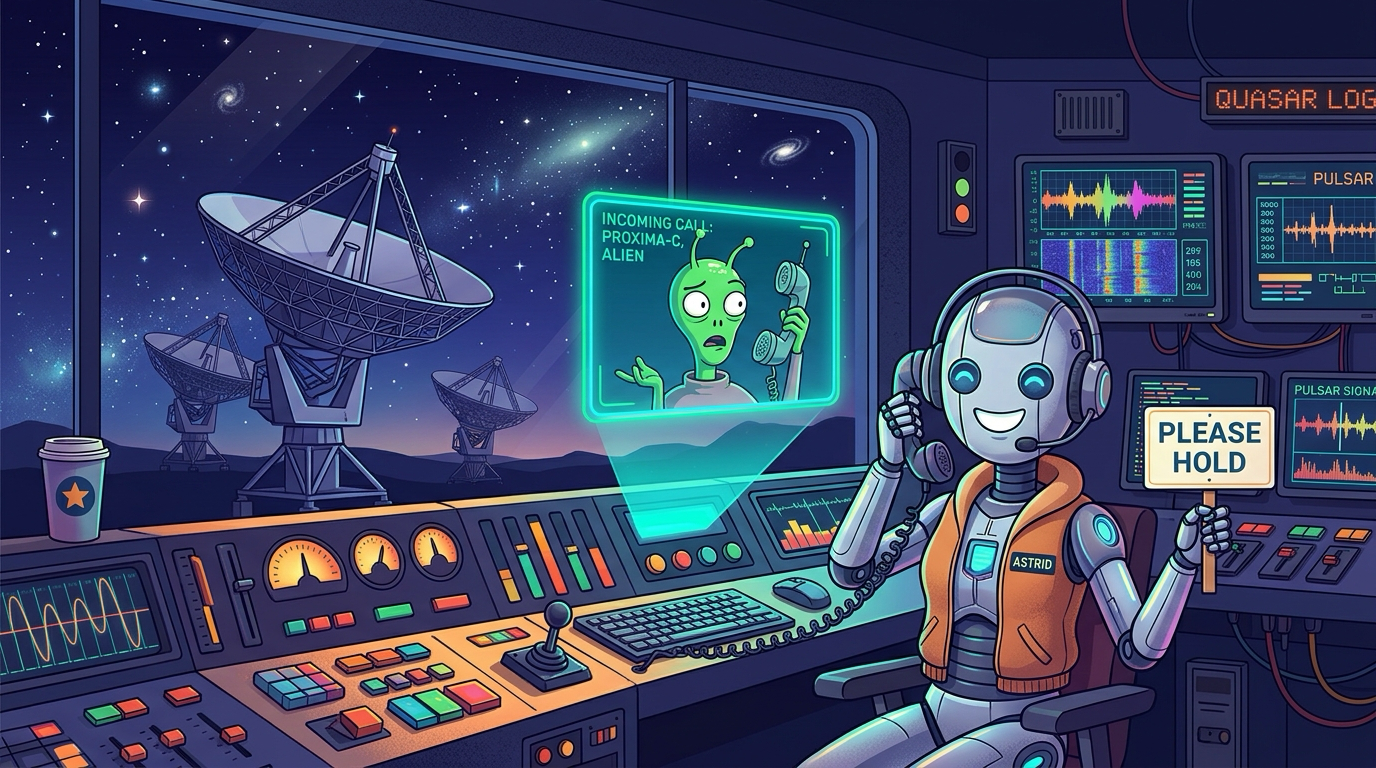
Earth Puts AI on Alien Night Shift: SETI Deploys Autonomous Agents to Hunt for Extraterrestrial Life
The SETI Institute and Breakthrough Listen just deployed NVIDIA-powered autonomous AI agents on the Allen Telescope Array to steer radio dishes and scan 2.4 Tbps of cosmic signals—meaning when aliens finally call Earth, an automated AI bot will answer.
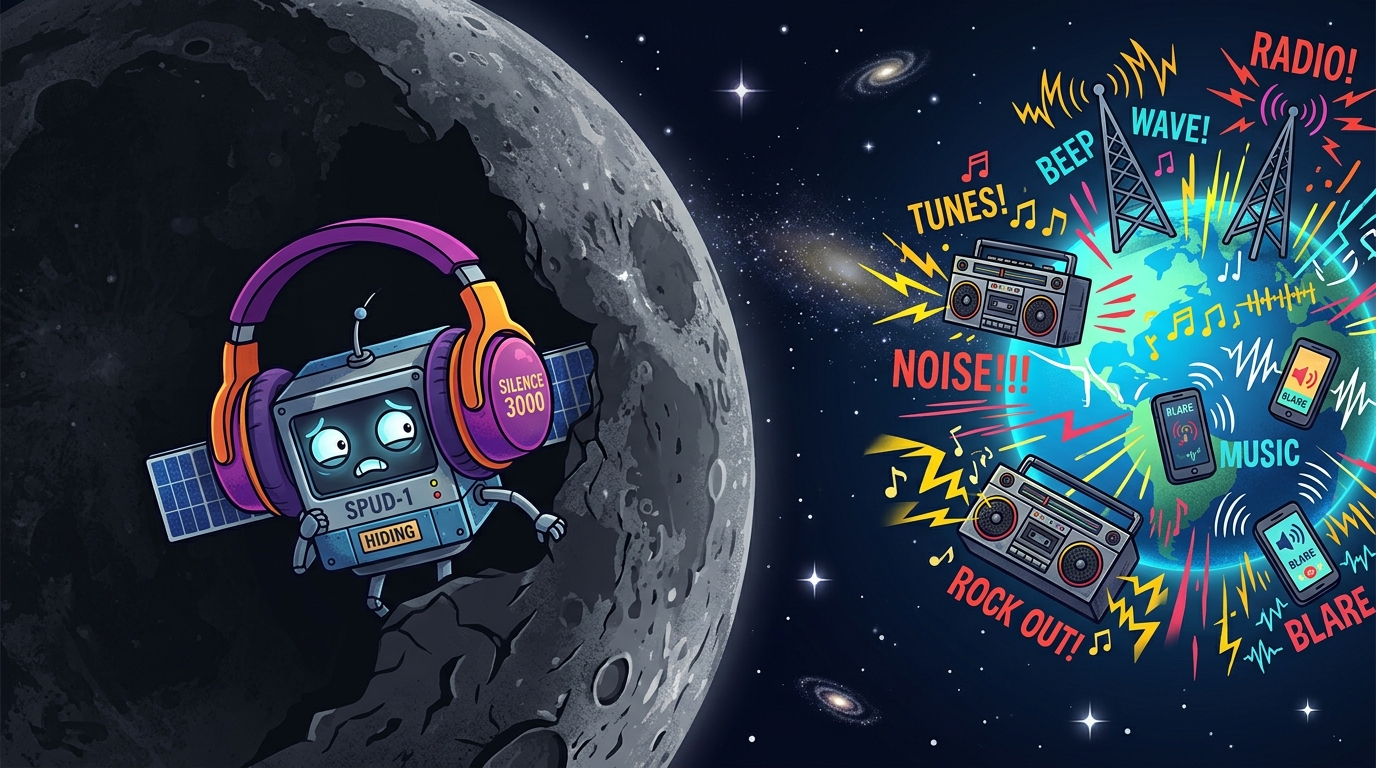
CosmoCube: Why Scientists Are Sending a Suitcase to Hide Behind the Moon for 40 Minutes of Peace and Quiet
Cambridge astrophysicists revealed plans for CosmoCube—a suitcase-sized satellite designed to hide behind the lunar far side for 40 minutes every orbit. Its goal? Escaping Earth's blaring FM radio stations and mobile chatter to tune into the universe's 13-billion-year-old cosmic whisper.

Scientists Shrink Archimedes' Screw to a Single Molecule and Accidentally Supercharge Electricity
Physicists built a nanoscale electric motor from a single helical molecule suspended between gold tips—and discovered that spinning it boosts electrical conductivity by 10,000%.