The Sun's 10,000°C Plasma Swirls Accidentally Painted Van Gogh's 'Starry Night'
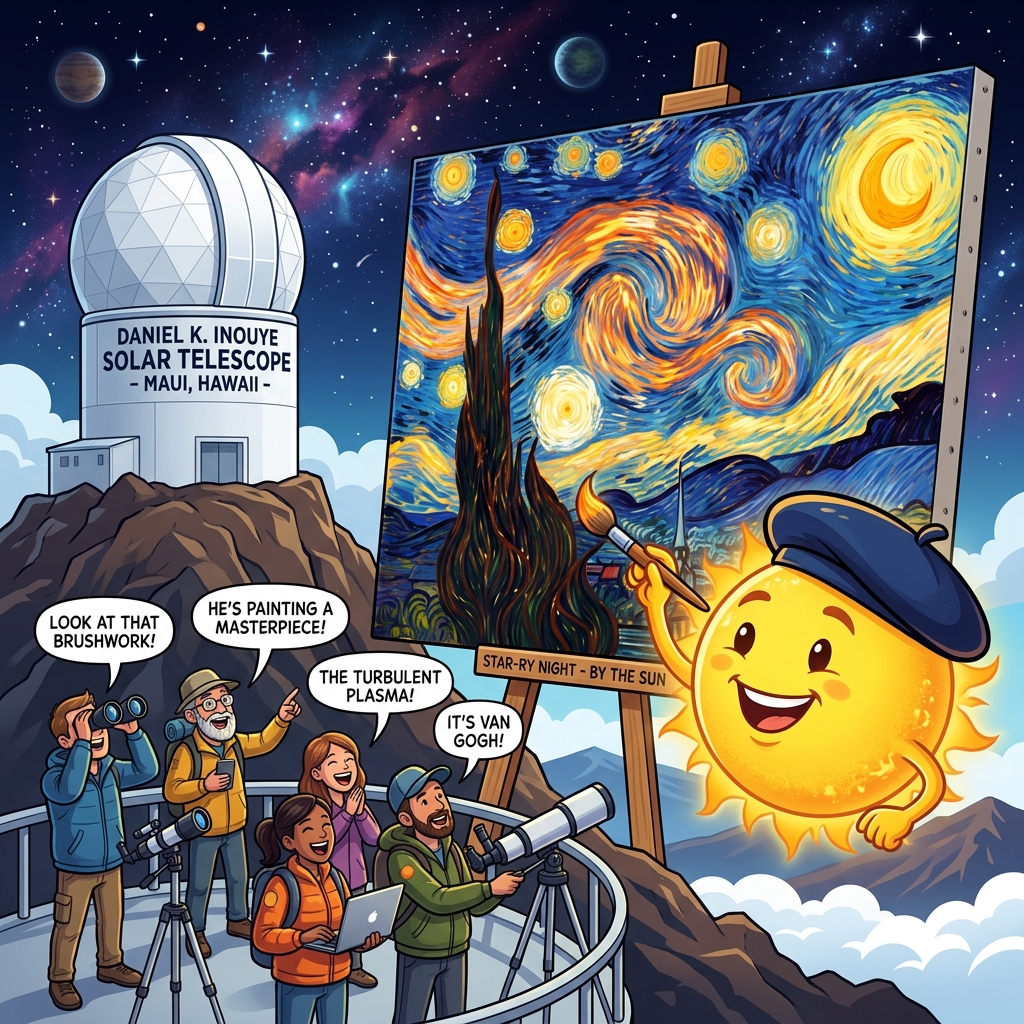
It turns out Vincent van Gogh wasn't just a Post-Impressionist master—he was accidentally channeling the fluid dynamics of a 10,000°C solar plasma storm 93 million miles away.
Using Hawaii's high-powered Daniel K. Inouye Solar Telescope, solar astronomers published groundbreaking images in Nature capturing Kelvin-Helmholtz instability (KHI) vortices on the Sun for the very first time. The resulting wave-like plasma swirls look shockingly like the iconic sky from The Starry Night.
☀️ High-EQ Solar Physics Translation:
When superheated plasma streams slide past each other at wildly different speeds, fluid dynamics whip the solar surface into feathery wave-swirls that look like Van Gogh took a giant paintbrush to our star.
First Time Observed on a Star
While Kelvin-Helmholtz vortices are well-documented in Earth's ocean waves and cloud formations (and Jupiter's atmosphere), this marks the first time scientists have directly resolved these micro-vortices on the surface of a star. Each plasma swirl spans anywhere from 12 to 100 miles wide!
Solving the Solar Corona Mystery
Beyond being cosmic art, these fiery plasma swirls hold key clues to one of astrophysics' greatest puzzles: why the Sun's outer atmosphere (the corona) is millions of degrees hotter than its actual surface. Understanding these wave instabilities will help scientists better forecast solar flares and space weather storms before they hit Earth.
You might also like
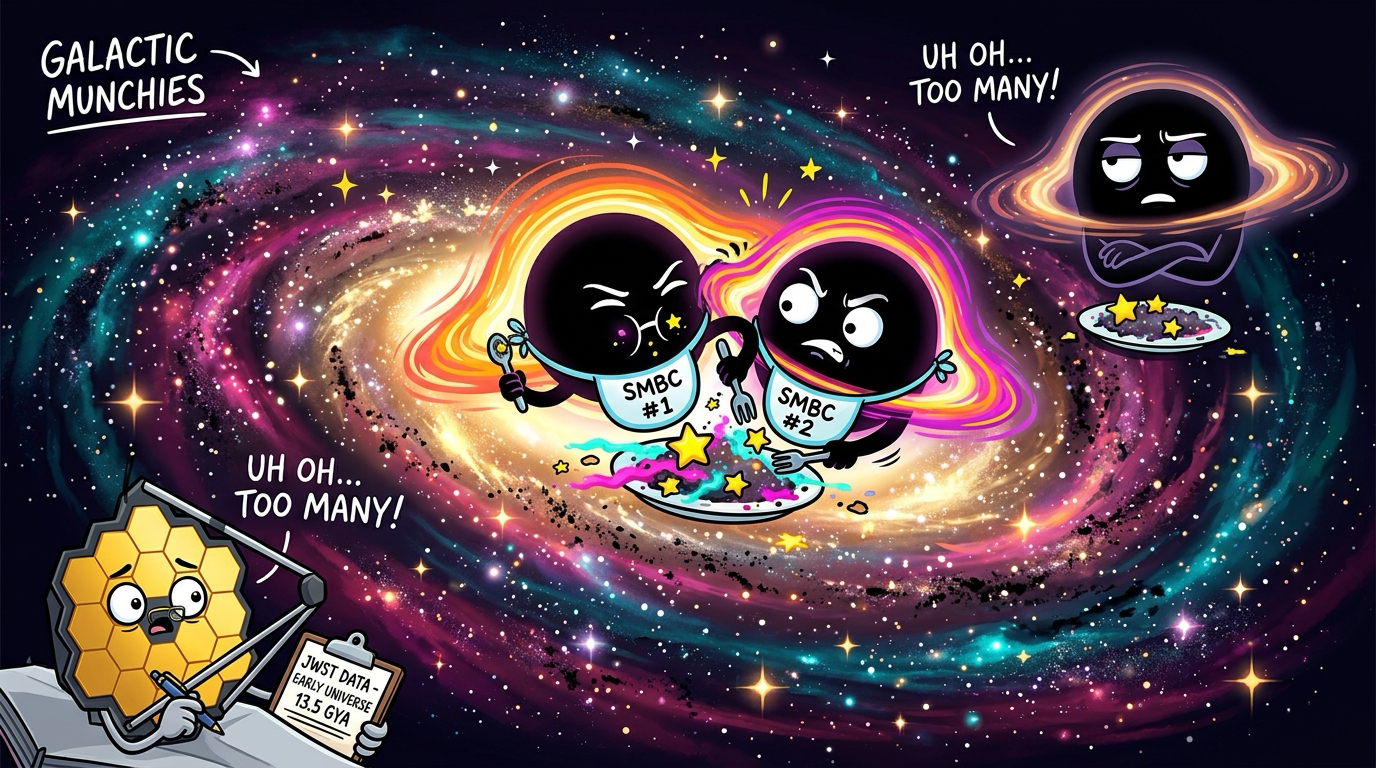
JWST Catches Three Supermassive Black Holes Crammed into One Galaxy Like Chaotic Roommates
Astronomers using the James Webb Space Telescope under project BlackTHUNDER discovered three actively feeding supermassive black holes crammed inside a single galaxy from the cosmic dawn, fighting over gas clouds just 1.2 billion years after the Big Bang.
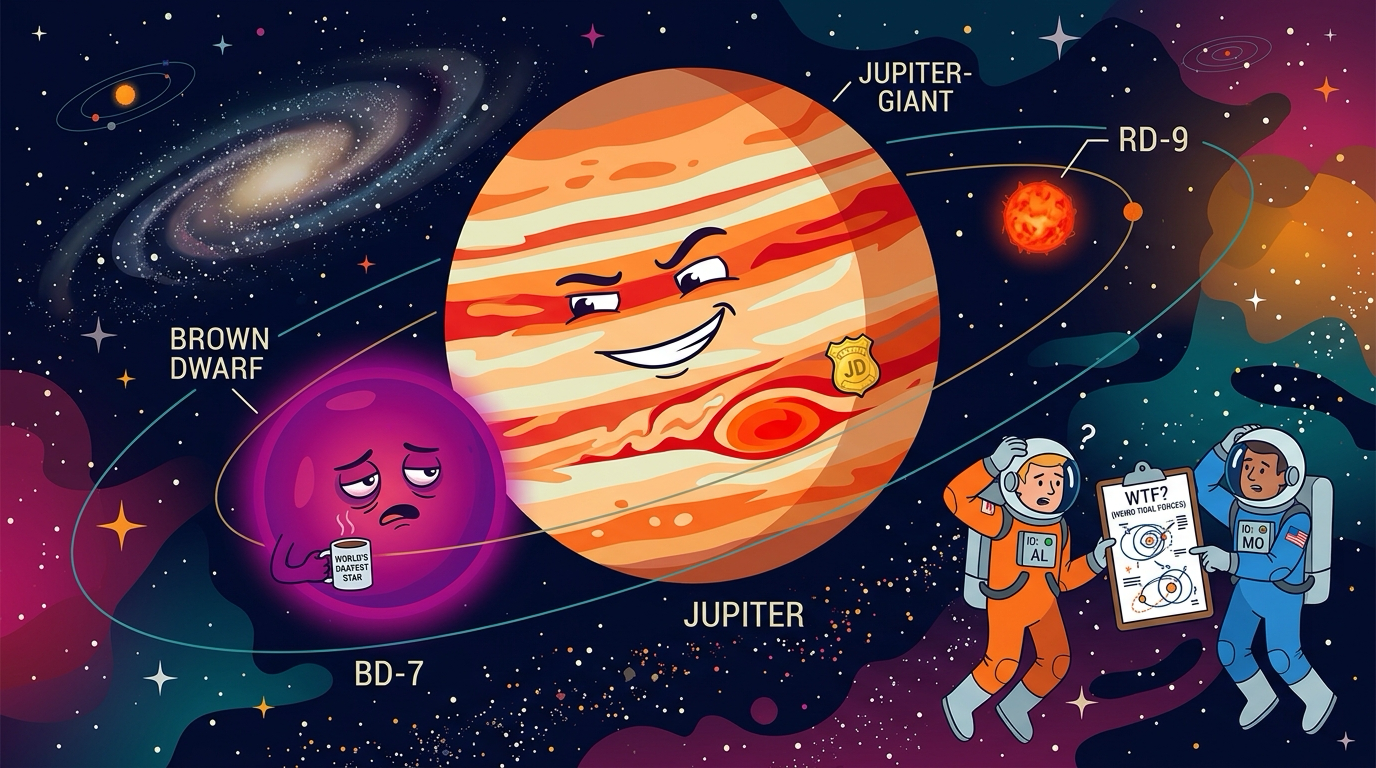
Astronomers Discover a Jupiter-Sized 'Alien Moon' Orbiting a Failed Star—And Nobody Knows What to Call It
Using ESO's Very Large Telescope, astronomers discovered a gas giant at least as heavy as Jupiter orbiting a brown dwarf in the CD-35 2722 system 73 light-years away. Because it circles a failed star rather than the central sun, astrophysicists are embroiled in a cosmic identity crisis.
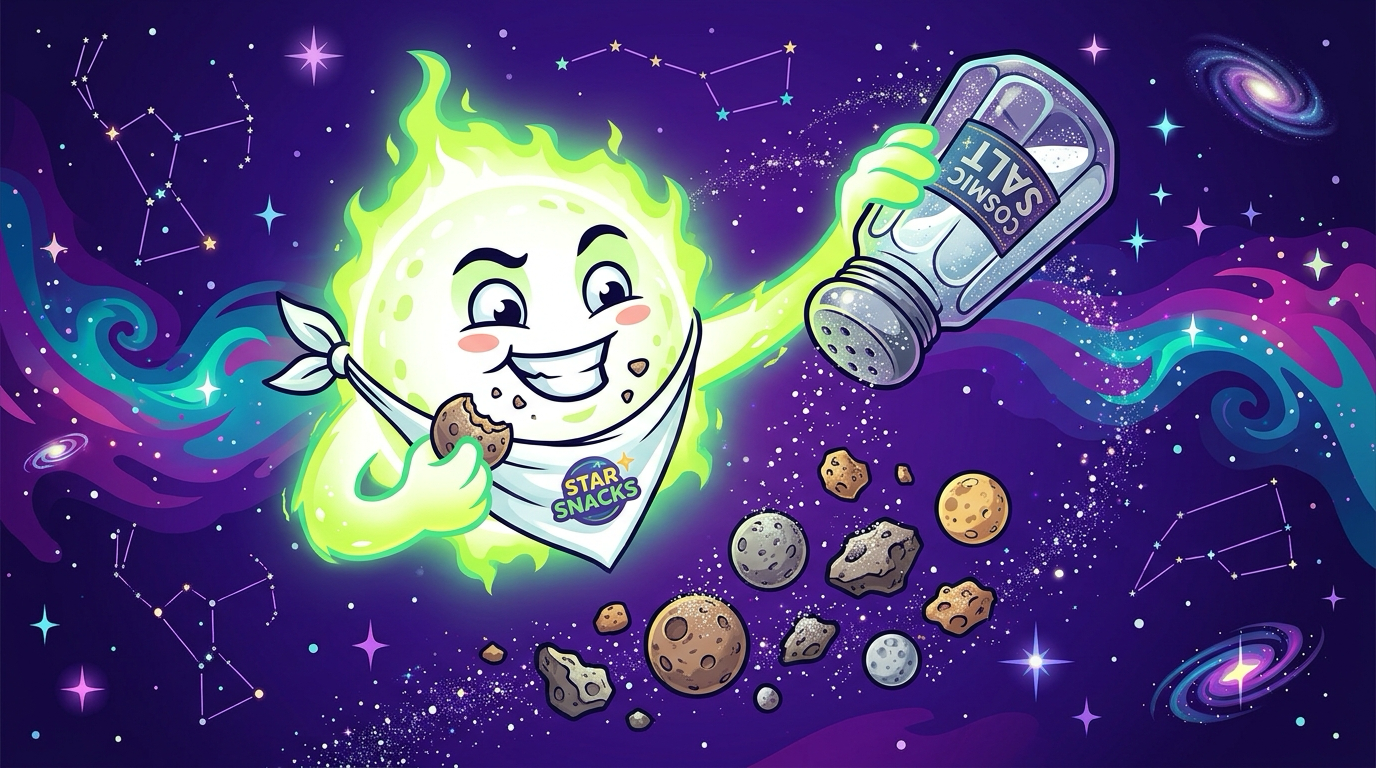
Astrophysics' Oldest Rule Broken: Meet the Universe's First Lime-Green Star
Astronomers have long insisted that 'green stars are physically impossible.' Then they found WD J1330+6435—a greedy white dwarf that devoured a solar system's worth of salty, sodium-rich planets and started glowing like a cosmic lime popsicle.