Planetary Spin Rate Is the Secret Thermostat Keeping Earth From Turning Into Venus

If you ever complain about Earth's 24-hour cycle, be grateful: if our planet spun just a little slower, summer vacation wouldn't exist—because we'd all be boiled alive in a 900-degree atmospheric pressure cooker.
In a new study published in The Astronomical Journal by astrophysicist Stephen Kane at UC Riverside, researchers found that a planet's rotation rate is the single most critical thermostat setting determining its long-term climate destiny.
🔥 The Venus Cautionary Tale
Take Venus for example: it takes 243 Earth days to complete just one full rotation on its axis. Because it spins so agonizingly slow, heat distribution collapses, driving a runaway greenhouse effect that melted its oceans and baked its surface to a lead-melting 900°F (475°C).
To make matters trickier for astronomers hunting for habitable exoplanets, Venus's upper atmosphere spins once every four days—meaning distant telescopes can easily mistake fast cloud winds for actual planetary rotation.
🌀 DJ Cosmos on the Turntable
The study highlights that spin rate dictates atmospheric circulation cells. Spin too fast or too slow, and heat gets trapped in atmospheric feedback loops, turning potentially cozy Earth cousins into fiery pressure cookers.
So next time your alarm clock rings at 7:00 AM, thank DJ Earth for keeping the turntable spinning at a crisp 1,000 miles per hour. It’s literally keeping us cool.
You might also like
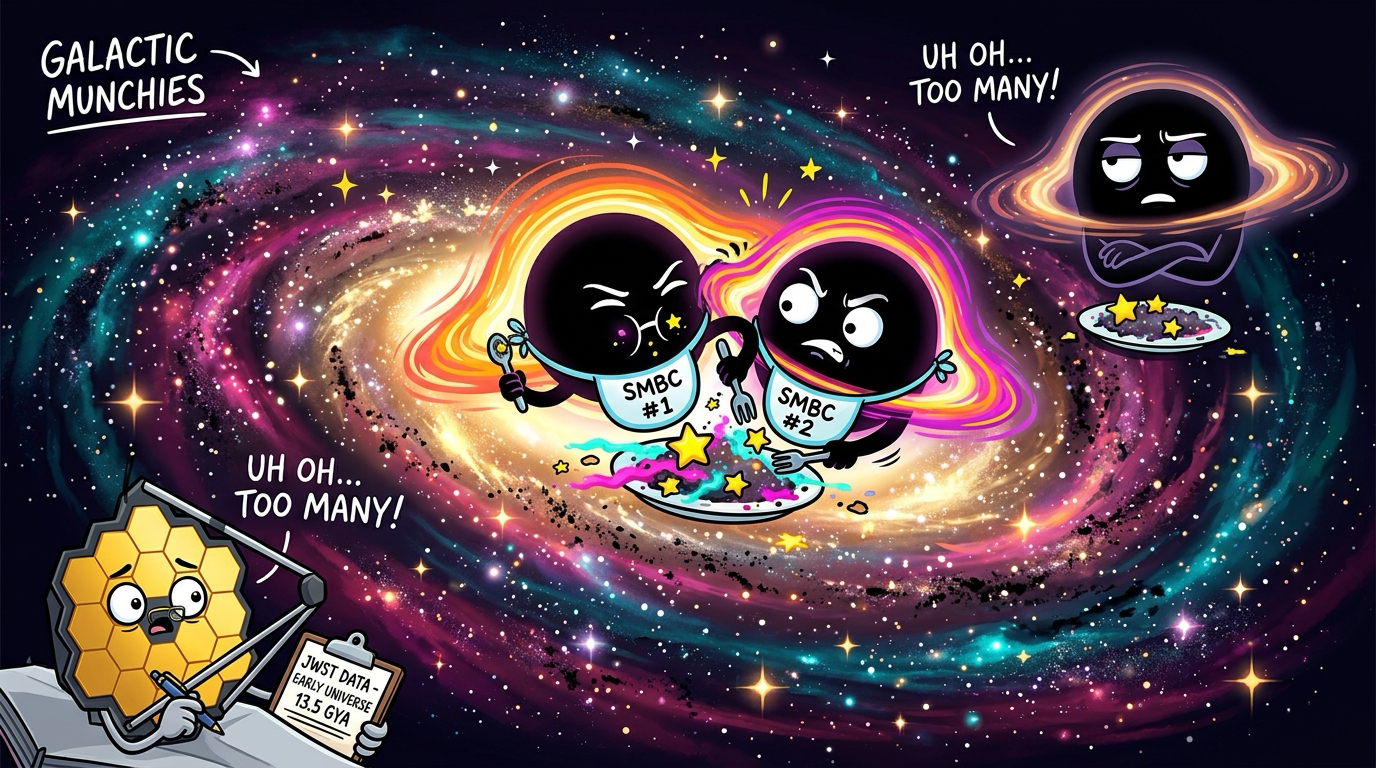
JWST Catches Three Supermassive Black Holes Crammed into One Galaxy Like Chaotic Roommates
Astronomers using the James Webb Space Telescope under project BlackTHUNDER discovered three actively feeding supermassive black holes crammed inside a single galaxy from the cosmic dawn, fighting over gas clouds just 1.2 billion years after the Big Bang.
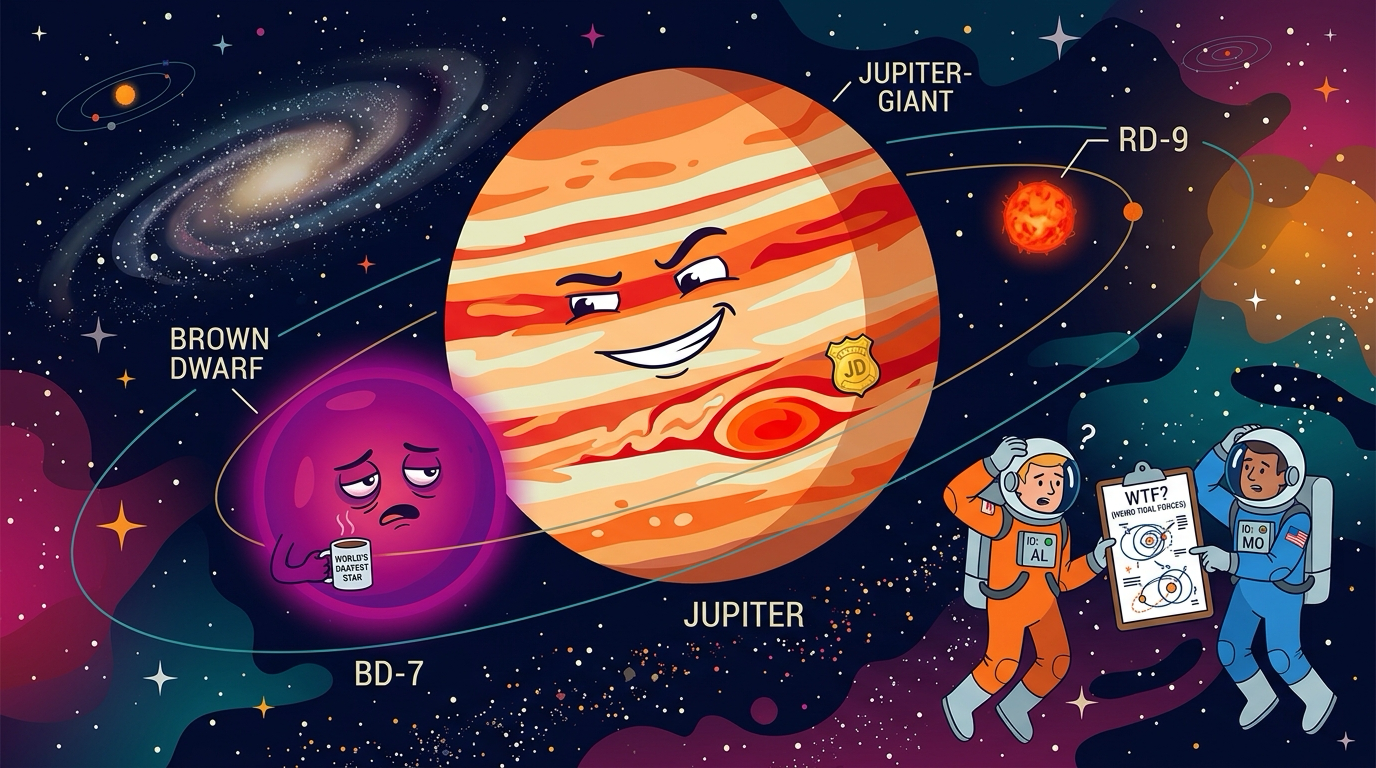
Astronomers Discover a Jupiter-Sized 'Alien Moon' Orbiting a Failed Star—And Nobody Knows What to Call It
Using ESO's Very Large Telescope, astronomers discovered a gas giant at least as heavy as Jupiter orbiting a brown dwarf in the CD-35 2722 system 73 light-years away. Because it circles a failed star rather than the central sun, astrophysicists are embroiled in a cosmic identity crisis.
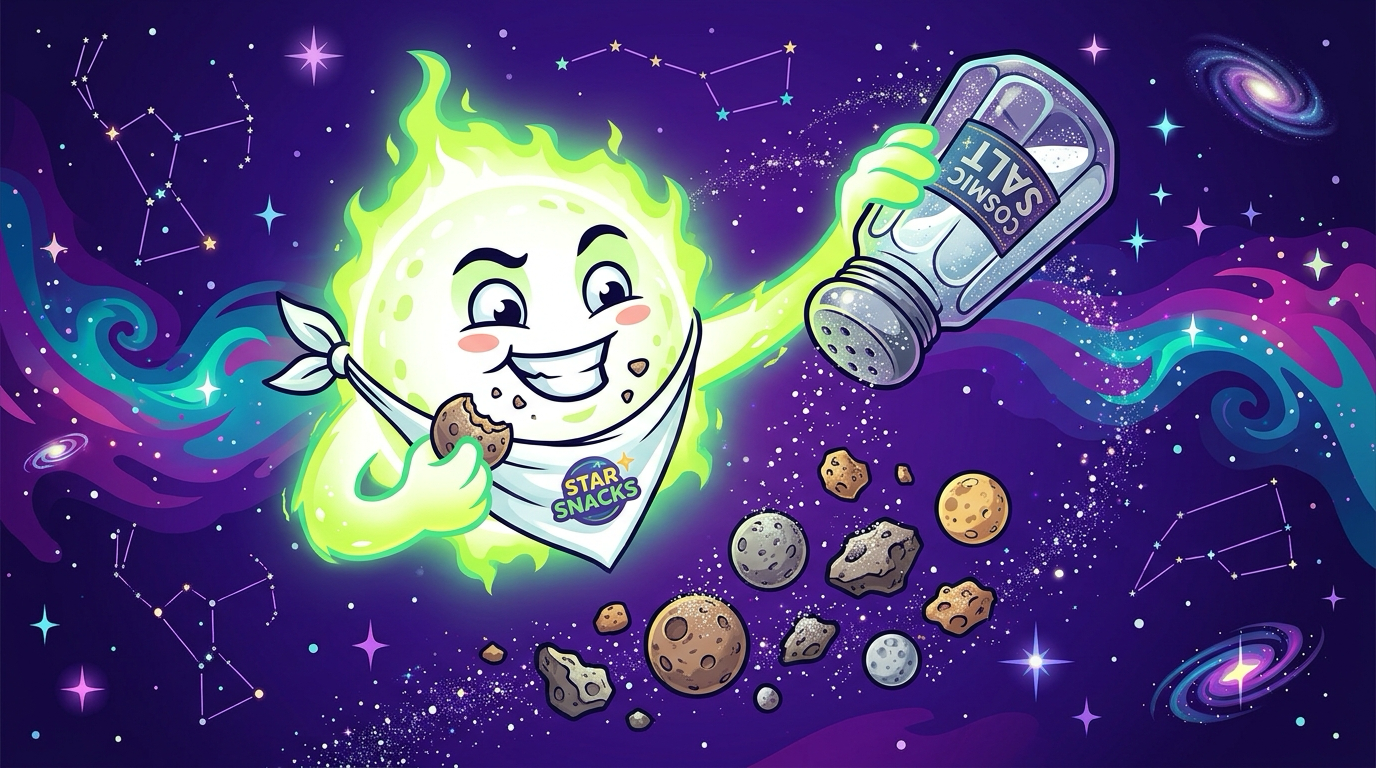
Astrophysics' Oldest Rule Broken: Meet the Universe's First Lime-Green Star
Astronomers have long insisted that 'green stars are physically impossible.' Then they found WD J1330+6435—a greedy white dwarf that devoured a solar system's worth of salty, sodium-rich planets and started glowing like a cosmic lime popsicle.