JWST Spotlights Star Living Next to Supermassive Black Hole (With Water & Dust Intact)
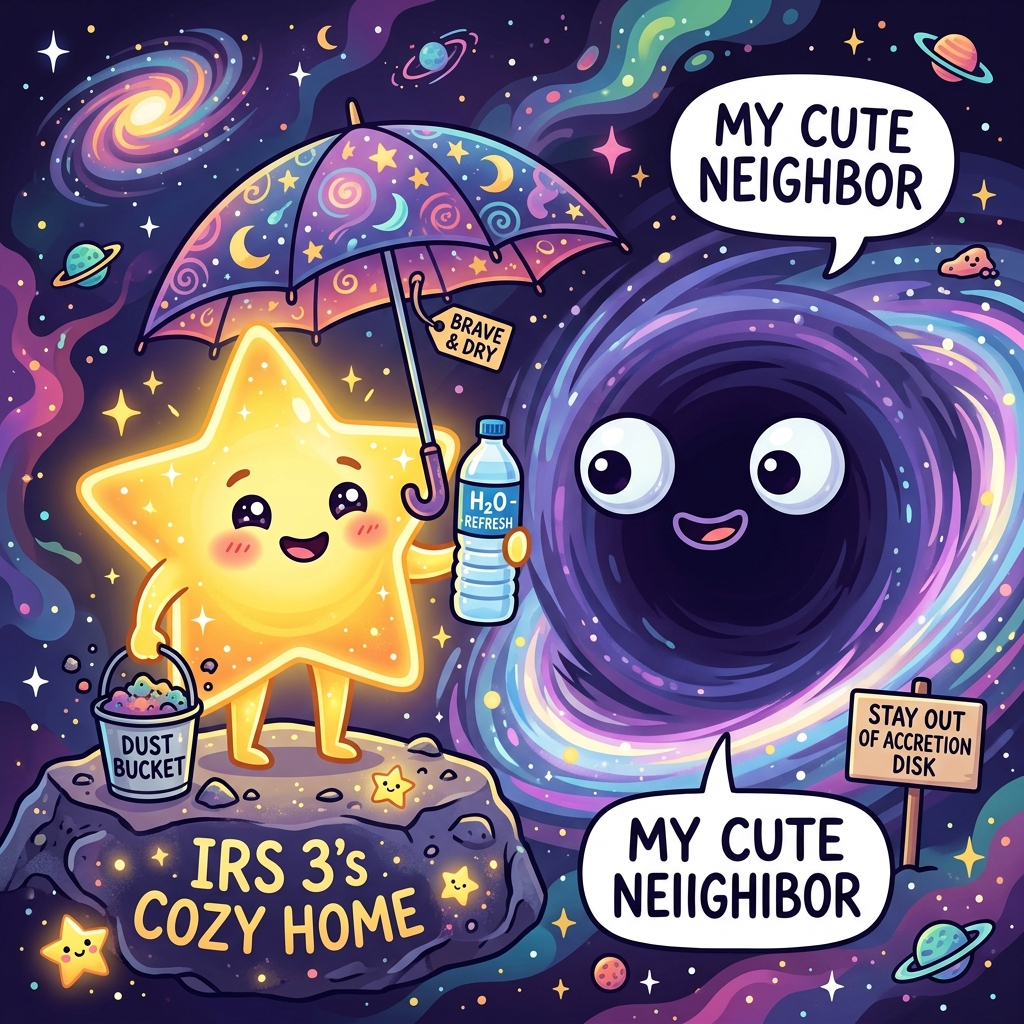
Living 0.55 light-years from a 4-million-solar-mass supermassive black hole sounds like the ultimate cosmic nightmare, but one resilient star is keeping its water bottle and dust bucket safe anyway.
Using the James Webb Space Telescope (JWST) and its Mid-Infrared Instrument (MIRI), an international astronomy team led by Dr. Florian Peißker from the University of Cologne detected water vapor and oxygen-rich silicate dust surrounding the dying star IRS 3, located mere fractions of a light-year from Sagittarius A*.
🌌 High-EQ Astrophysics Translation:
Even right next to the galaxy's most destructive gravity monster, planetary building blocks (water and cosmic minerals) don't get instantly obliterated—they can stubbornly survive in a star's protective embrace.
A Misunderstood Stellar Neighbor
Astronomers previously believed IRS 3 was a carbon-rich star surrounded by thick soot. Webb's precise infrared spectrum revealed a surprise: IRS 3 is actually an oxygen-rich star spewing out silicate dust and water, constantly replenishing the hostile galactic core with raw ingredients for future celestial chemistry.
Proving Cosmic Resilience
The discovery proves that complex chemistry and cosmic building blocks aren't exclusive to quiet galactic suburbs. Even in the extreme radiation environment of the Milky Way's center, stars continue to seed space with the ingredients of life.
You might also like
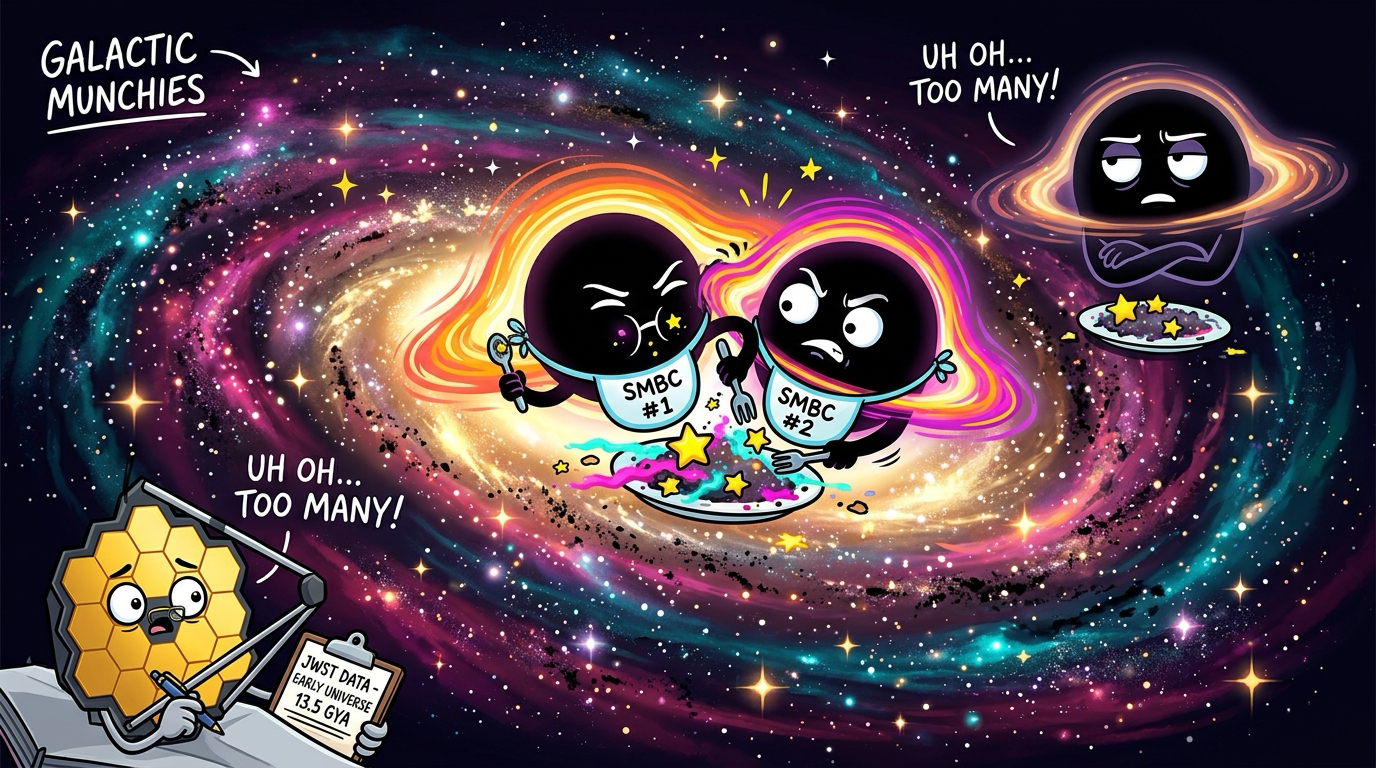
JWST Catches Three Supermassive Black Holes Crammed into One Galaxy Like Chaotic Roommates
Astronomers using the James Webb Space Telescope under project BlackTHUNDER discovered three actively feeding supermassive black holes crammed inside a single galaxy from the cosmic dawn, fighting over gas clouds just 1.2 billion years after the Big Bang.
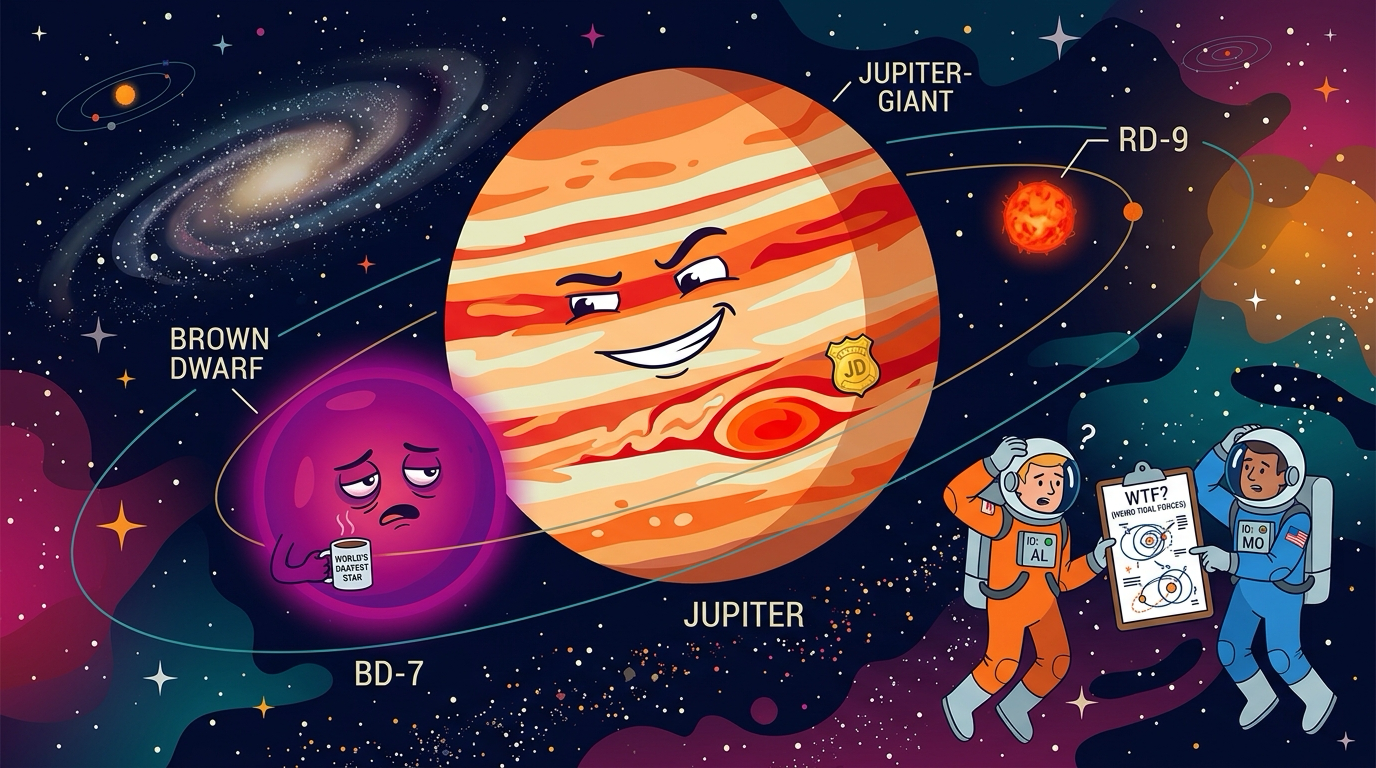
Astronomers Discover a Jupiter-Sized 'Alien Moon' Orbiting a Failed Star—And Nobody Knows What to Call It
Using ESO's Very Large Telescope, astronomers discovered a gas giant at least as heavy as Jupiter orbiting a brown dwarf in the CD-35 2722 system 73 light-years away. Because it circles a failed star rather than the central sun, astrophysicists are embroiled in a cosmic identity crisis.
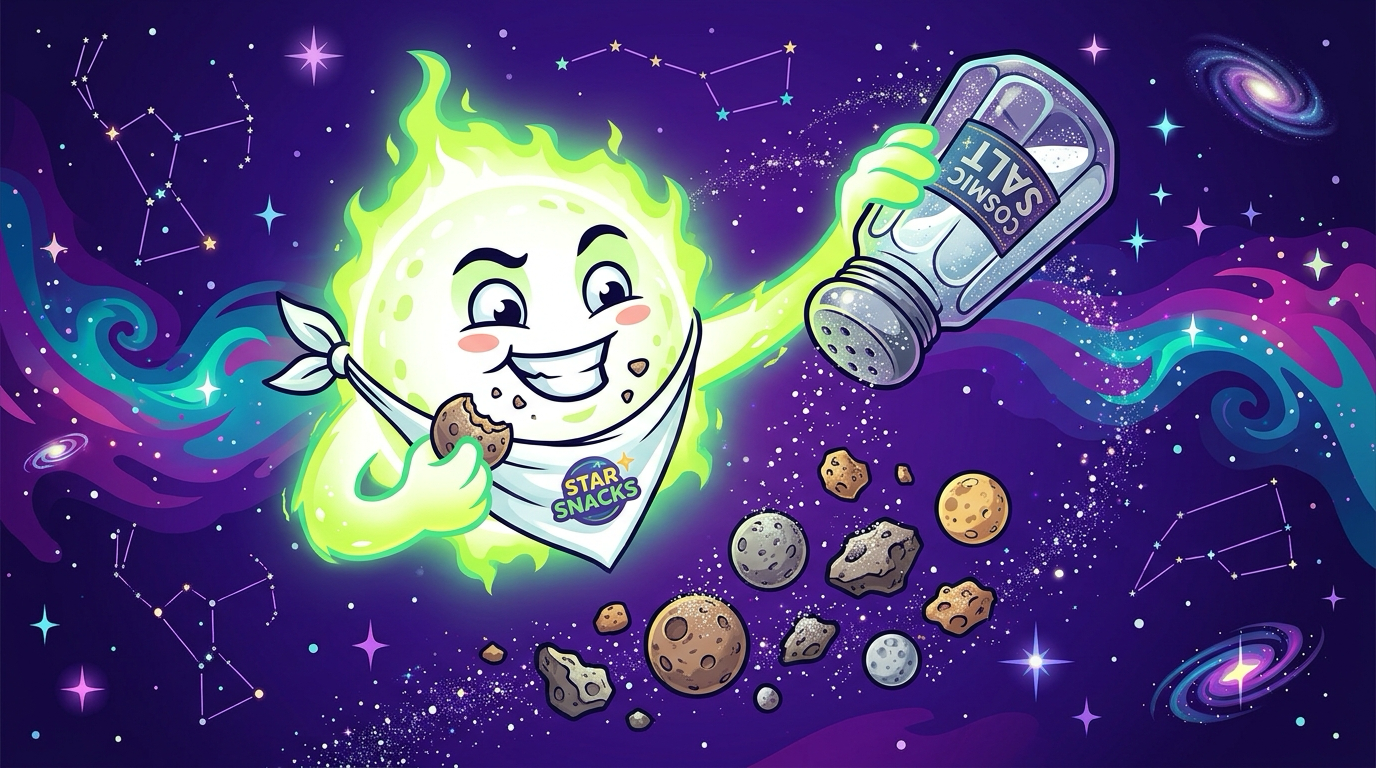
Astrophysics' Oldest Rule Broken: Meet the Universe's First Lime-Green Star
Astronomers have long insisted that 'green stars are physically impossible.' Then they found WD J1330+6435—a greedy white dwarf that devoured a solar system's worth of salty, sodium-rich planets and started glowing like a cosmic lime popsicle.